
Fiido Titan vs Aventon Aventure 3: Which Fat Tire Electric Bike Fits Your Riding?
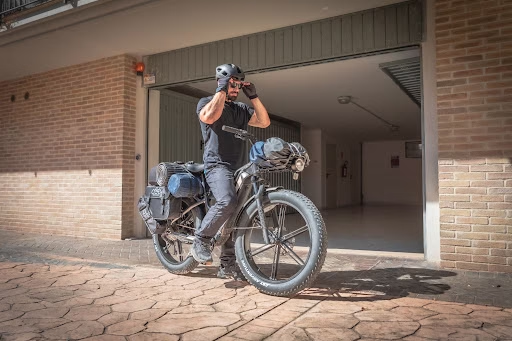
A weekday ride across town and a Saturday outing on gravel can put quite different demands on a bicycle. Add a bag of tools, a camera or enough food for an afternoon outdoors, and choosing a fat tire e-bike becomes more involved than comparing motor ratings.
The Fiido Titan and Aventon Aventure 3 are two models worth considering for this mix of everyday riding and recreational trips. Both use wide tires and electric assistance, but their equipment points towards different priorities. The Titan offers provisions for carrying equipment and additional batteries, while the Aventure 3 puts more emphasis on adjustable assistance and connected features.
For buyers, the useful question is how those differences fit the rides they actually take. This comparison considers the manufacturers’ published US-market specifications and features; it is not a head-to-head riding test.
Two Fat Tire E-Bikes with Different Priorities
Wide tires are the most obvious similarity. The Titan uses 26 × 4.0-inch tires, while Aventon also equips the Aventure 3 with 4-inch-wide tires. That makes them relevant to riders considering a combination of paved roads and suitable unpaved routes. Tire width alone, however, cannot establish which bike handles better. Pressure, tread, riding position, load and the surface beneath the wheels all influence the result.
Within Fiido’s range of fat tire electric bikes, the Titan is a useful model to compare with the Aventure 3 because it brings equipment carrying and battery planning into the discussion. Its published specification includes a removable 696Wh battery, four-piston hydraulic disc brakes and a rack arrangement designed to carry additional batteries.
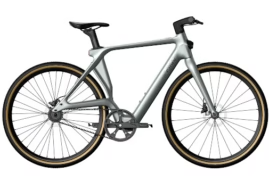
Aventon takes a different approach with the Aventure 3. Alongside its suspension fork and suspension seatpost, it offers Ride Tune assistance adjustment and ACU connected technology, including GPS and cellular capabilities subject to the relevant service conditions. These features give buyers more to consider than the basic motor-and-battery combination.
Neither set of priorities makes the decision automatically. Someone who frequently carries equipment has different reasons for buying a bike from someone who wants to customise the assistance for regular rides.
Motor Assistance: How Much Do You Want to Adjust?
On a mixed-surface ride, the way assistance arrives deserves as much attention as the motor’s headline rating. Pulling away from a junction, climbing a gradual incline and restarting on loose gravel are different situations. A useful system should allow the rider to manage effort without making the bike difficult to control.
The Fiido Titan uses a torque sensor, which measures pedalling input as part of controlling assistance. This makes the rider’s pressure on the pedals relevant to the motor’s response. For a buyer, the practical test is whether that response feels comfortable when setting off, changing pace and climbing at low speed.
The Aventon Aventure 3 adds a further layer of adjustment through Ride Tune. Aventon describes controls for torque, assistance and pedal response within its assistance modes. Riders who enjoy adjusting how a bike responds may find this particularly useful, especially when their weekday and weekend routes differ.
That gives Aventon a specific feature to consider, rather than proof that its assistance will suit everyone better. Some riders want several settings to experiment with; others are happy once the standard assistance feels right.
A useful test ride should include more than a quick acceleration run. Try pulling away gently, maintaining a steady pace and changing assistance while riding. On either bike, a torque sensor is not a traction-control system. Smooth pedalling and an appropriate assistance level still matter when the surface becomes loose.
Longer Outings: Plan the Battery and the Luggage Together
A longer ride usually brings more equipment. Water, food, a lock, repair tools and an extra layer all need somewhere to go. If the plan also involves carrying another battery, that space and weight must be included from the beginning.
This is where the Fiido Titan offers a particularly relevant feature set. Its removable 696Wh battery and additional battery-carrying arrangement give riders an option to plan around replacement batteries during a longer outing. Extra batteries are additional equipment, so buyers should check exactly what is included in the selected package and how battery changes are carried out.
The benefit is flexibility. A rider can assess whether the normal battery arrangement suits routine trips, then consider additional equipment for more demanding days. That decision should include the purchase cost, extra weight and charging arrangements.
A fair comparison with the Aventure 3 needs to use equivalent configurations. Comparing a multi-battery Titan package with a single-battery bike solely through advertised mileage would obscure the differences in equipment and price. Manufacturer range figures also reflect particular test conditions, rather than a guaranteed distance on a rider’s own route.
Start with the complete outing instead. Include the return journey, hills, unpaved sections and any likely detour. Then consider where charging is realistically available.
Luggage requires the same care. A bike’s total load allowance is not the amount its rear rack can carry. The rider, accessories and luggage must fit within the relevant limits, and individual mounting points may have separate restrictions. For someone carrying outdoor equipment regularly, these details can be more useful than another few miles in a headline range claim.
Comfort and Braking: Look Beyond the Feature Names
After an hour on imperfect roads, comfort depends on several parts working together. Tire pressure, saddle position, handlebar reach and suspension all contribute. A bike that feels reassuring during a brief ride may still need adjustment for a longer outing.
The Aventon Aventure 3 includes both a suspension fork and a suspension seatpost. These address movement at different points: the fork responds at the front wheel, while the seatpost provides movement beneath the seated rider. A suspension seatpost should not be confused with rear-wheel suspension, but it is a meaningful feature to evaluate during a seated test ride.
Fiido’s Titan brings four-piston hydraulic disc brakes into the comparison. That is a specific hardware detail worth considering, particularly when the planned ride includes luggage and descents. It does not, by itself, establish a shorter stopping distance than the Aventon. Tires, surface grip, speed, brake setup and rider input all affect braking performance.
During a demonstration, pay attention to how easily you can reach and operate the brake levers, whether slowing down feels progressive and how comfortably you can support the bike when stopped. These observations help connect the specification sheet to your own riding.
The same applies to wide tires. Their volume can contribute to cushioning, but they do not remove the need to choose a sensible line through rough ground. Pressure should follow the tire and bicycle manufacturer’s guidance, taking the load and intended surface into account.
Connected Features, Storage and Ownership
The Aventure 3’s connected functions are another reason to consider it. Aventon promotes ACU technology with GPS, cellular connectivity and anti-theft features. Buyers interested in these functions should check network availability, service terms and any ongoing charges before treating them as part of the ownership package.
For someone who parks away from home frequently, connected functions may influence the decision. They still sit alongside a suitable physical lock and a sensible parking location.
The Titan’s battery and carrying arrangements raise a different ownership question: where will the equipment live between rides? A removable battery may make charging more convenient, but additional batteries also need suitable storage and a charging routine.
Both bikes deserve a practical storage check. Measure the doorway, look at the available turning space and consider whether you need to lift the bike. If it will travel on a vehicle rack, confirm the rack’s weight rating and compatibility with wide tires.
Before choosing an electric bike, it is also worth checking who will handle servicing, which replacement parts are available and how warranty support works in your location. Those answers can matter long after the initial attraction of a particular feature has faded.
Which Bike Belongs on Your Shortlist?
The Fiido Titan deserves particular attention if your rides regularly involve equipment and you want the option of planning around additional batteries. Its carrying arrangements and four-piston hydraulic brakes provide concrete reasons to investigate it for that role. The full package should still be assessed against your storage space, loading needs and budget.
The Aventon Aventure 3 is worth prioritising if adjustable assistance and connected functions are high on your list. Its suspension seatpost is another feature to try for yourself, particularly if you expect to spend much of the ride seated.
For a useful final comparison, bring the bag you normally carry and describe a real route to the seller. Ask about the exact configuration you would receive, then test the ordinary parts of ownership: setting off, slowing down, turning tightly, parking and removing the battery. The bike that suits those repeated tasks has a stronger claim on your money than the one with the most impressive isolated number.