


4 Carbon Fiber E-Bikes Worth Considering for Road, Gravel and City Riding
Carbon fiber is familiar territory for anyone interested in performance vehicles. In an electric bicycle, though, its value depends on what the designer does with it. A lightweight frame can contribute to a bike that is easier to handle, but the motor, battery, wheels and equipment still account for much of the finished machine.
That helps explain why carbon e-bikes can look so different. A drop-bar road model is designed around a different riding position and pace from a flat-bar city bike. A model intended for gravel needs tires and gearing suited to changing surfaces. The frame material is a starting point for understanding these bikes, rather than a complete description of their abilities.
The Trek Domane+ SLR 7, Specialized Turbo Creo 2 Comp, LeMond Prolog and Fiido Air illustrate four approaches. This selection draws on manufacturers’ published specifications and intended uses, rather than a comparative riding test. The order reflects their progression from road riding to everyday urban journeys.
1. Trek Domane+ SLR 7: For Performance-Focused Road Riding
The Trek Domane+ SLR 7 belongs on the shortlist of someone who already enjoys road cycling and wants assistance within a recognisably road-focused package. Its appeal starts with the complete build: an 800 Series OCLV Carbon frame, carbon wheels and a Shimano Ultegra Di2 electronic drivetrain. These are components aimed at riders who care about their bike’s gearing, equipment and overall weight.
Consider a weekend route with long stretches of open road and several climbs. A rider choosing the Domane+ is likely to want a familiar drop-bar position, multiple hand positions and gearing appropriate to changes in gradient. Assistance becomes one part of that experience, alongside the ability to settle into a comfortable pedalling rhythm.
The carbon construction also extends beyond the frame, which matters when evaluating the complete bike. Comparing frame materials alone would miss the contribution of its wheels and other components. Likewise, a published weight needs to be read with the stated frame size and equipment in mind.
This is a substantial purchase for a specific kind of riding. Before choosing it, work out whether you actually want the road-bike position and component package. A rider whose trips consist mainly of short errands may get little benefit from equipment selected for sustained road cycling.
The Domane+ SLR 7 makes most sense when the road-bike format is already part of the attraction. A careful fitting and a meaningful test ride should come before decisions based on weight or component names.
2. Specialized Turbo Creo 2 Comp: For Routes That Mix Pavement and Gravel
Some routes are difficult to put into a single category. They begin on paved roads, follow a rough lane and finish with a gravel section that provides a quieter way home. The Specialized Turbo Creo 2 Comp is worth considering when that variety is a regular part of the plan.
The carbon-frame Comp version combines a FACT 11r carbon frame with Specialized’s lightweight assistance system. The Shimano GRX Di2 build listed by Specialized includes 700 × 50c tires and Future Shock 3.2. Those details provide a more useful picture of its purpose than the carbon label alone.
Here, the tires deserve particular attention. Their volume and tread are relevant when the ride moves away from smooth pavement, while the gearing should be assessed against the gradients and surfaces you expect to encounter. Future Shock adds another element to the front-end design, but comfort still depends on tire pressure, fit and how the bike is ridden.
The practical appeal is the ability to build an outing around a combination of suitable surfaces. A rider might spend most of the day on roads while using gravel connections to avoid a busy stretch or reach a different destination. That is a clearer reason to consider the Creo than simply wanting something described as adventurous.
Buyers should pay attention to the full model name. The Creo family also includes an E5 aluminium-frame version, so a carbon-bike comparison needs to identify the correct build. Components can also vary between versions.
The Creo 2 Comp is a relevant choice for someone who wants a drop-bar bike and regularly uses mixed routes. Its additional capability is most valuable when those routes are already part of the rider’s plans.
3. LeMond Prolog: For Everyday Fitness and Urban Riding
The LeMond Prolog brings the discussion towards everyday riding. It offers a flat-bar approach for people who want to combine urban journeys with recreational exercise, without adopting the layout of a drop-bar road bike.
LeMond describes the Prolog as a carbon-fiber e-bike intended for fitness and urban transportation. Its use of carbon extends to several components, illustrating an approach in which weight reduction is considered across the build.
That can be relevant long before a ride reaches its first hill. Moving a bike through a doorway, turning it around in a narrow storage area and lifting it over a small obstruction are ordinary parts of ownership. A manageable complete bike can make those moments less cumbersome, although the rider should still try the movements rather than assume a particular weight will be easy to carry.
The Prolog’s intended use also suits a less structured kind of cycling. A journey to work might become an evening loop on the way home, or a short trip across town might include a longer stretch along a cycle route. The attraction is a bike that supports both transport and fitness.
Fit remains central. Flat handlebars do not automatically mean an upright position, and a clean-looking frame does not reveal how much weight a rider will place on their hands. Check reach, saddle position and comfort over more than a brief ride.
The Prolog is worth considering when lightweight design and everyday cycling are priorities, particularly for buyers who prefer a flat-bar layout.
4. Fiido Air: For City Riders Who Prefer a Belt Drive
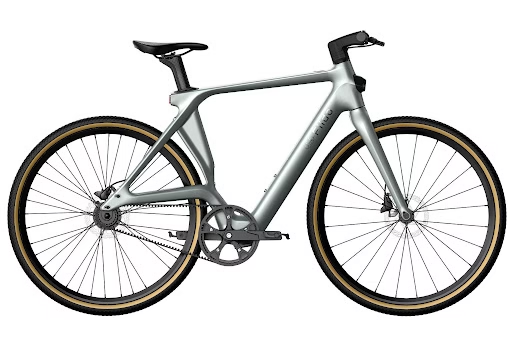
For riders considering a carbon fiber ebike for everyday urban journeys, the Fiido Air brings a carbon frame, Gates CDN belt drive and torque-sensing assistance into the same package. Its equipment also includes hydraulic disc brakes, giving it a distinct place among the bikes in this selection.
The belt drive is particularly relevant to daily use. It does not require the chain lubrication associated with a conventional bicycle chain, which can appeal to someone riding in ordinary clothes or storing the bike inside. It still needs appropriate inspection and care; the benefit is a different maintenance routine, rather than an absence of maintenance.
The torque sensor adds another practical consideration. It uses the rider’s pedalling input as part of controlling assistance. During a test ride, pay attention to how that response feels when moving away from a stop and adjusting pace through a series of junctions.
Fiido’s lightweight approach is also worth assessing away from the saddle. If a typical journey involves manoeuvring the bike through a hallway or moving it into a tight parking space, try those actions before buying. Grip points, balance and available space influence handling alongside weight.
The Air deserves attention from riders whose main requirements are urban journeys, a relatively simple equipment package and belt transmission. Buyers should still assess the gearing against local hills and think through any need for luggage or additional accessories. A minimalist bike is most useful when its equipment matches what the owner actually carries and does each day.
Choosing Between Carbon Fiber E-Bikes
These four bikes show why a carbon frame is best considered alongside the rest of the design. The Trek is oriented towards road cycling, the Specialized accommodates mixed routes, the LeMond combines urban and fitness uses, and the Fiido introduces a belt-driven option for everyday city riding.
Before choosing an electric bike, consider your usual route, preferred riding position and how you will store the bike between rides. Those decisions will narrow the field more effectively than starting with the lowest published weight.
When comparing weights, check frame size, battery inclusion and fitted accessories. A bike equipped with lights, mudguards and luggage hardware should not be judged against a stripped-back configuration without accounting for the difference. Consider what your own finished setup will include.
Charging access and servicing also deserve a place in the decision. Find out how the battery is charged, which parts require specialist attention and where support is available. With carbon components, correct assembly and the manufacturer’s torque specifications matter when adjusting or fitting accessories.
Finally, make the test ride resemble your normal use. Try the riding position, controlled starts, low-speed turns and stops. Then get off and move the bike into a realistic storage space. The most convincing choice is the one whose design works across that whole routine.