

What Desert Racing Teaches Automakers About Durability
Desert racing gives automakers a concentrated view of the forces that can shorten a vehicle’s life. Heat, dust, vibration and repeated impacts expose weak components far faster than ordinary commuting. Engineers can then study failures, revise designs and confirm whether those changes work under pressure.
The lessons reach beyond specialized competition vehicles. They influence cooling, suspension tuning, cabin sealing and electronic protection in the trucks and SUVs people use for work, recreation and daily transportation.
Extreme Environments as Testing Labs
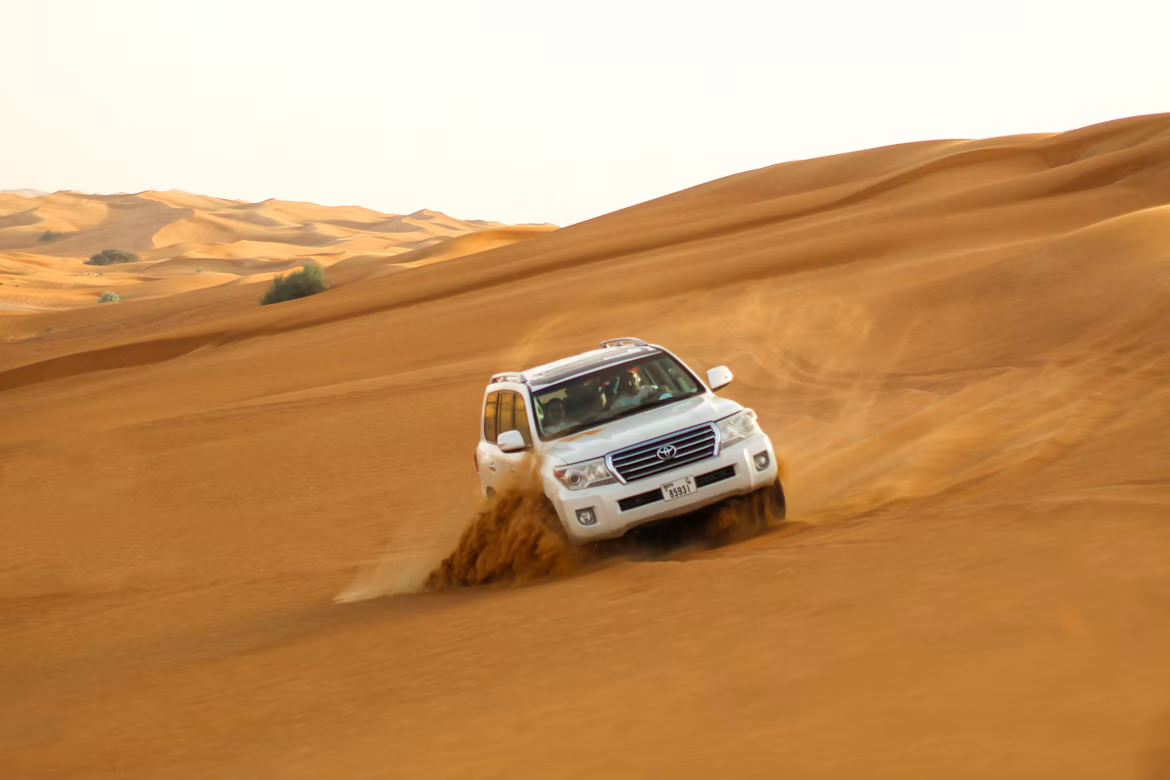
A desert course combines several durability threats in one demanding environment. Fine dust enters small gaps, rough ground creates constant vibration, and high temperatures raise stress on fluids, seals and electronics. The terrain also changes quickly, as the desert racing introduction from Grassroots Motorsports illustrates.
Automakers use these conditions to identify problems that may take years to appear during normal ownership. Engineers inspect connectors for dust intrusion, check fasteners for movement and look for cracks near mounting points. Similar testing can benefit road vehicles because washboard roads, construction zones and summer heat create milder versions of the same stresses. For buyers, tight panel fit and protected underbody components can indicate careful durability engineering.
Suspension Demands Beyond Normal Roads
Desert terrain forces a suspension to manage repeated impacts without losing control or overheating its dampers. A single bump may be manageable, but hundreds of closely spaced hits can expose weak bushings, inadequate wheel travel or poor shock tuning. Engineers track suspension temperature, wheel movement and structural loads to see how each part responds.
Those findings shape road-going vehicles too. Progressive damping can keep a truck composed on a damaged road while preserving comfort around town. Reinforced mounting points may also reduce squeaks and alignment problems after years of use. During a test drive, take the vehicle over patched pavement at a sensible speed. Listen for sharp impacts and notice how quickly the body settles after a dip.
Cooling Systems Built for Extreme Heat
High ambient temperatures leave cooling systems with less capacity to shed engine and transmission heat. Slow movement through loose terrain makes the problem harder because less air passes through the radiator. Sand and dust can also collect on heat exchangers, reducing airflow when the vehicle needs it most.
Ford’s account of Arizona heat testing describes evaluations in temperatures around 110 degrees Fahrenheit. Engineers use this work to assess fans, pumps, hoses and software-controlled cooling strategies. SnapLap’s guide to off-road cooling demands explains the mechanical strain in more detail. Owners can help by keeping radiator surfaces clear and following the specified coolant service schedule.
Trail-Ready Capability on Showroom Floors
Durability lessons become useful to consumers when they appear in production features. Underbody protection, all-terrain drive modes and carefully routed cooling lines can support weekend recreation while adding resilience during floods, deep potholes or unpaved-road travel. Sealed electrical connections and washable interior materials also have value far from a desert course.
If you’re comparing new Fords, review ground clearance, tire type, cooling provisions and payload ratings alongside horsepower and screen size. Match the equipment to what you’ll actually do. A driver who regularly uses gravel access roads may benefit from added protection, while a commuter could place more value on efficient tires and a smoother suspension setup. Factory specifications offer a better comparison than appearance alone.
Why Toughness Sells to Daily Drivers
Most drivers will never enter a desert event, yet durability remains easy to appreciate. A vehicle that resists heat, vibration and dust may also cope better with long highway trips, neglected pavement and repeated hauling. The same structural stiffness that supports rough-terrain control can reduce cabin rattles as mileage builds.
Still, specialized styling doesn’t prove mechanical strength. Check the maintenance schedule, payload limits and warranty terms before buying. On a used vehicle, inspect tires for uneven wear and look underneath for damaged shields or fluid residue. On a new one, ask how optional tire and suspension packages affect ride quality. Desert testing matters most when its lessons produce a vehicle that still feels composed after years of ordinary roads.
Image Credit: Unsplash