


What Track Recovery Crews Can Teach Everyday Drivers
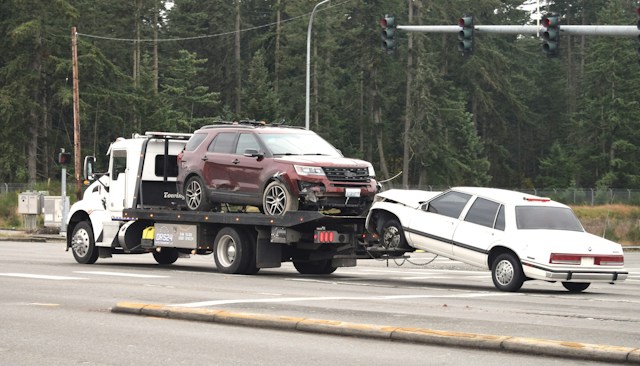
Track recovery crews work under pressure where clear communication, careful positioning and fast decisions protect everyone on the circuit. Everyday roads lack the controlled conditions of a closed course, yet the same principles can help drivers respond to breakdowns and minor collisions more safely.
The key lessons concern visibility, traffic awareness, and disciplined action. A driver who knows what to do in the first few minutes is less likely to create a second hazard while waiting for professional help.
Rapid Response Inside Circuit Walls
Circuit crews prepare before an incident occurs. Their vehicles carry the necessary equipment, team members know their assigned roles, and control staff provide location and track-condition information. This preparation keeps a mechanical failure from causing a prolonged disruption.
Drivers can apply the same thinking by keeping a charged phone, reflective warning equipment, and essential contact details in the car. If your vehicle stops, switch on the hazard lights, assess your surroundings, and share an exact location with the service provider. Road names, travel direction, and nearby exits are more useful than a general description.
In the Gainesville area, drivers facing a breakdown or collision can contact Towing & Roadside Assistance for 24/7 recovery or transport help. Clear details during the initial call allow the responding operator to plan before arriving.
Managing Blind Corners and Moving Traffic
Circuit personnel never assume that an approaching driver can see them. Crests, barriers, and bends reduce sight distance, while speed shortens reaction time. Recovery activity is coordinated so warnings reach drivers before they enter the affected area.
Public roads present similar visibility problems. If your car becomes disabled after a bend, move it completely out of traffic when you can do so safely. Stay behind a barrier if one is available and avoid standing between vehicles. Never attempt a roadside repair when passing traffic leaves too little working space.
Road design can support safer reactions too. The Federal Highway Administration’s traffic calming guidance explains how measures such as speed humps, curb extensions, and traffic circles can reduce operating speeds. Lower speeds give motorists more time to notice a stopped vehicle or roadside worker.
Safe Recovery on Unpredictable Roads
A circuit is controlled, but an ordinary street can contain pedestrians, cyclists, driveways, and drivers making sudden lane changes. Weather introduces another layer of risk. Rain reduces tire grip, and darkness can hide debris until a vehicle is close.
Place yourself where an approaching vehicle is unlikely to reach you. If the car is safely off the road, remain inside with the seat belt fastened unless there is smoke, fire, or another immediate danger. On a high-speed road, local safety guidance or instructions from emergency personnel should take priority because conditions vary.
Urban design also affects roadside risk. The principles in Traffic Calming 101 show how street layouts can encourage slower and more attentive driving. Still, no design feature replaces personal caution. Give disabled vehicles extra room and change lanes early when traffic conditions permit.
Core Protocols Every Motorist Should Adopt
Recovery teams rely on repeatable procedures because stress can disrupt judgment. Drivers need a similarly simple sequence: control the vehicle, warn other road users, choose the safest available position, and call for help. Once assistance is on the way, avoid unnecessary movement around the vehicle.
Keep these practical rules in mind:
- Stop as far from moving traffic as conditions safely allow.
- Turn on hazard lights immediately.
- Share your precise location and vehicle description.
- Keep passengers together in the safest available place.
- Follow instructions from road personnel when they arrive.
Performance-car drivers can also review these seven road safety lessons for guidance on speed, attention, and vehicle control beyond circuit walls.
The strongest habit borrowed from a recovery crew is disciplined patience. Once you’ve warned others, reached a safe position, and requested help, let trained personnel manage the vehicle. A rushed roadside decision can create a greater problem than the original breakdown.