

Signs Your Vehicle Needs Professional Auto Electrical Attention
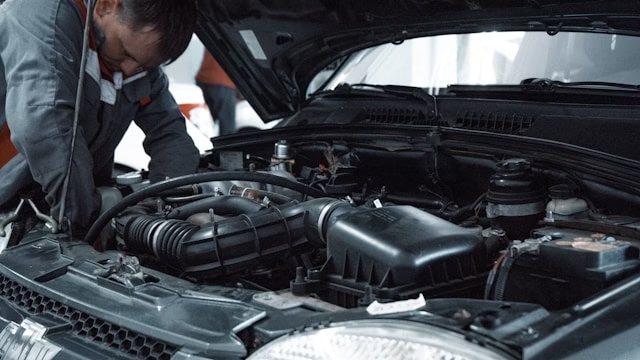
Think about how much your car has evolved; it is no longer just an engine and four wheels, but essentially a complex computer on the road. Electricity now runs the show, controlling everything from starting the motor to powering intricate safety sensors, so you have to wonder what happens when that power begins to flicker.
Electrical issues can be deceptive because they often start as minor inconveniences. While it might be tempting to ignore these little glitches, overlooking them can be a risky gamble. A small problem today can easily escalate into a dead battery tomorrow, potentially leaving you stranded when you least expect it. Catching these warning signs early saves you money on costly repairs and keeps you safe on the road.
So, without further ado, let’s discuss the most common signs indicating that your vehicle needs professional electrical attention.
Warning Lights Appearing Without Clear Cause
When warning lights appear on your dashboard, your vehicle is alerting you to a potential issue. If a light stays on or appears intermittently without a clear reason, it often points to an electrical or sensor-related problem.
These warning systems rely on electrical signals to function correctly. A faulty connection, damaged wiring, or failing sensor can trigger alerts even when the mechanical components seem fine. If you ignore these warnings, you risk masking a deeper issue that could affect performance or safety.
Difficulty Starting or Frequent Battery Problems
If your vehicle struggles to start, cranks slowly, or requires frequent jump-starts, the battery is often blamed first. While batteries do wear out over time, repeated issues may indicate a deeper electrical problem.
Electrical faults can mimic battery failure by preventing proper charging or disrupting power flow. Issues with the alternator, wiring, or grounding can quickly drain a healthy battery. Replacing the battery alone may temporarily solve the problem, but if the underlying issue remains, the symptoms will return.
This is where professional diagnostics become important. Experienced auto electrical specialists, such as Voltaic Auto Electrical, use advanced testing tools to determine whether the issue lies with the battery or the vehicle’s electrical system. These tools allow accurate assessment of charging systems, wiring integrity, and power distribution under real operating conditions. This approach saves you from unnecessary part replacements and helps maintain long-term reliability and vehicle safety.
Flickering or Inconsistent Lights
Flickering headlights, dim interior lights, or indicators that behave unpredictably are common signs of electrical instability. These issues may occur intermittently at first, making them easy to dismiss.
Lighting problems often indicate wiring faults, alternator issues, or grounding problems. Because lighting directly affects visibility and safety, even minor inconsistencies should not be ignored. Electrical instability in lighting systems can worsen over time, potentially leading to complete failure when you need it most.
Malfunctioning Accessories and Electronics
If power windows stop responding, the infotainment system resets randomly, or electronic features behave inconsistently, your vehicle’s electrical system may be under strain. Modern vehicles rely on complex electrical networks to manage these functions.
When multiple accessories fail or behave erratically, it often points to a shared electrical fault rather than isolated component failures. As vehicle electronics become more advanced, accurate diagnostics are essential to prevent cascading issues that affect overall functionality.
Burning Smells or Unusual Electrical Odors
A burning or plastic-like smell inside your vehicle is a serious warning sign. Electrical odors may indicate overheating wires, failing components, or insulation damage.
These smells should never be ignored. Electrical overheating can escalate quickly and poses a risk to both vehicle safety and occupants. If you notice unusual odors, addressing the issue immediately reduces the risk of more severe damage or fire hazards.
Electrical Issues Affecting Driving Performance
Electrical problems do not only affect convenience features—they can also interfere with how your vehicle drives. Symptoms such as engine stalling, hesitation, or inconsistent throttle response may be linked to faulty sensors or disrupted electrical signals.
Modern engines rely on electronic systems to manage fuel delivery, timing, and emissions. When electrical communication breaks down, performance becomes unpredictable. Addressing these issues early helps restore smooth operation and ensures safer driving conditions.
When DIY Fixes No Longer Work
Basic troubleshooting, such as replacing fuses or cleaning battery terminals, can resolve minor issues. However, when problems keep returning despite these efforts, it is a sign that the fault is more complex.
Repeated temporary fixes often mask deeper electrical issues. Continuing to rely on short-term solutions can lead to escalating problems, increased repair costs, and unexpected breakdowns. Professional diagnostics are essential when symptoms persist beyond simple fixes.
Conclusion
Electrical issues often begin quietly but rarely resolve on their own. Recognizing the warning signs allows you to act before small problems become major repairs. Whether it’s starting trouble, flickering lights, or malfunctioning electronics, addressing electrical faults early helps protect your vehicle’s performance and safety.
By paying attention to these signs and seeking professional support when needed, you ensure your vehicle remains reliable, efficient, and safe on the road.