



How Race Weekend Technology Shapes Consumer Showrooms
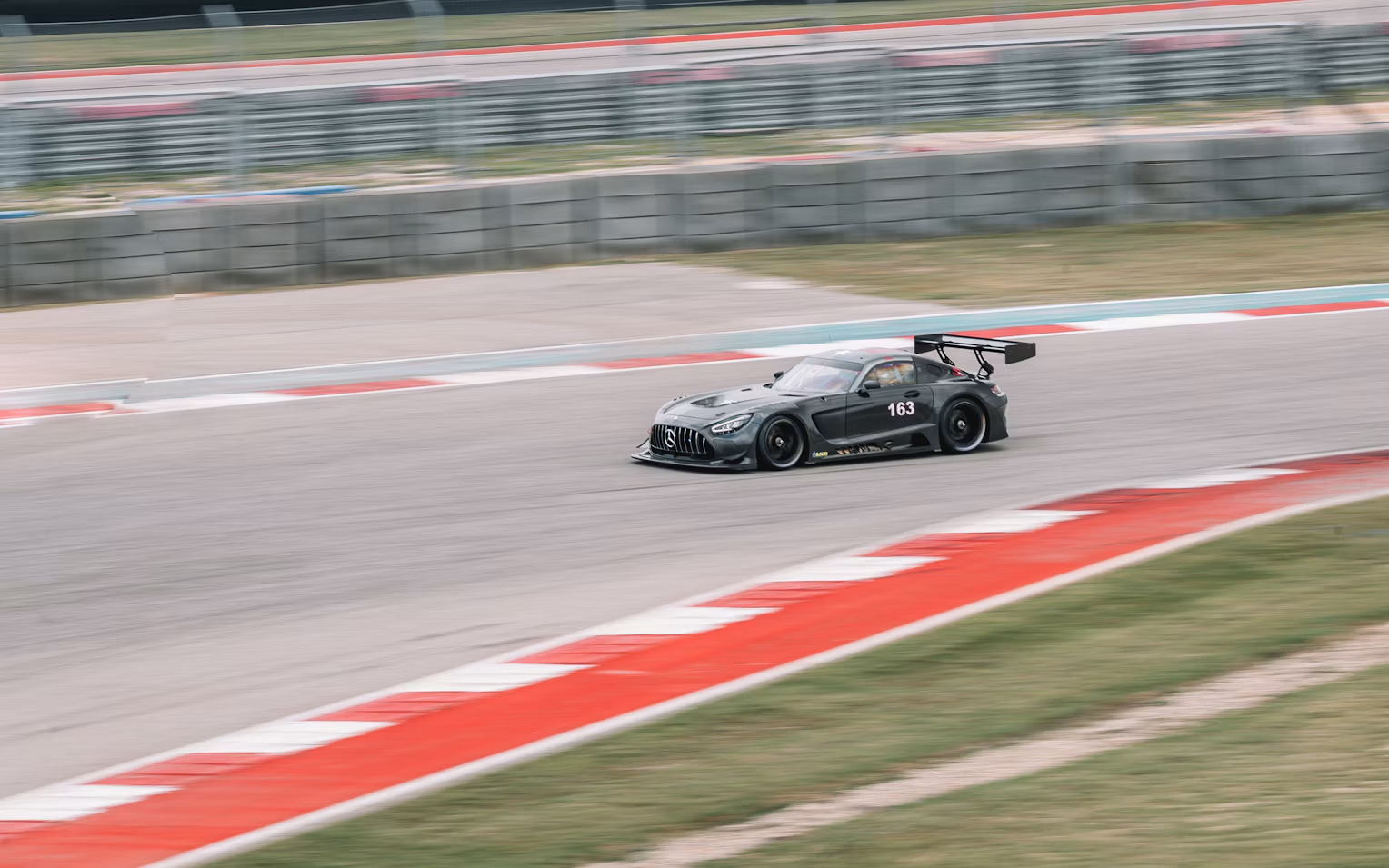
Motorsport compresses years of vehicle development into a demanding weekend of practice, qualifying and racing. Sensors capture thousands of data points, components operate near their limits, and engineers adjust settings under tight deadlines.
The lessons gained under those conditions often influence the vehicles that later reach consumer showrooms. Some transfers are direct, while others appear as quieter improvements in efficiency, stability and driver assistance.
Data Telemetry on the Grand Prix Circuit
A modern race car sends streams of information to engineers throughout each session. The team tracks tire temperatures, brake pressure, energy use, suspension movement and aerodynamic load. This Formula 1 data analysis helps engineers identify small performance changes that a driver may feel but cannot measure from the cockpit.
The process has a clear road-car parallel. Vehicle sensors can monitor wheel speed, steering input and traction many times per second, allowing stability systems to react when grip changes. Detailed race telemetry systems also influence diagnostic tools. When a dashboard warning appears, technicians can review stored information and locate the affected system more quickly. Drivers benefit through earlier fault detection and more precise maintenance.
Powertrain Lessons Learned at Speed
Racing gives manufacturers a controlled but demanding environment for studying heat, friction and energy recovery. Hybrid race systems have shown how braking energy can be captured, stored and reused during acceleration. Engineers also learn how batteries, motors and cooling systems behave during repeated high-load cycles.
Those lessons support smoother hybrid operation and better thermal management in street vehicles. They also help explain why race technology has long served as a test bed for everyday cars. A commuter may never place the powertrain under race conditions, but improved cooling and energy controls can provide more consistent performance on steep roads, during hot weather or in heavy traffic. When comparing electrified models, check fuel-economy ratings, battery coverage and charging requirements alongside peak output.
Translating Race Dynamics to Street Models
Track development often focuses on keeping a car predictable as speed, surface conditions and driver inputs change. Engineers tune steering response, suspension geometry and electronic controls so the driver receives useful feedback without sudden changes in balance. Consumer vehicles apply the same principles with a stronger focus on comfort and varied road conditions.
Shoppers reviewing new Fords can compare features such as selectable drive modes, adaptive suspension and traction management across different models. A useful test drive should include rough pavement, a highway merge and a tight turn at a safe speed. Pay attention to body movement, steering effort and brake feel. Those details reveal more about daily usability than an isolated horsepower figure.
Active Aero Features in Daily Commutes
Aerodynamics once relied mainly on a vehicle’s fixed body shape. Active systems can now adjust shutters, spoilers or ride height according to speed and cooling demand. On a race circuit, these changes help balance airflow and grip. In a road vehicle, the priority is often lower drag, quieter travel and efficient cooling.
Active grille shutters offer a practical example. They can remain closed when the engine needs less cooling, which reduces air resistance, then open as temperatures rise. Some performance-oriented street models use movable rear elements to improve stability or support braking at higher speeds. Owners don’t need to operate most of these systems manually. Still, keeping sensors clean and following inspection schedules helps movable components work as designed.
The Next Wave of Track Innovation
The next transfer from circuit to showroom will likely involve faster simulation, more capable software and lighter materials. Digital models let engineers test thousands of setup changes before producing a physical part. Race teams can then compare simulated results with track data and refine the model, shortening the development cycle for future road vehicles.
Software will also allow some vehicle behavior to improve through updates, especially energy management, driver assistance and display functions. For buyers, the practical questions concern support: ask how updates are delivered, which functions can change and how long the manufacturer plans to maintain the system. Track technology earns its place on the street when it makes a cold commute, a wet turn or a long highway drive feel controlled and predictable.
Featured Image Credit: Unsplash

