
Customizing Delivery Vans for Comfort and Efficiency

A delivery van is a workplace on wheels. Drivers spend eight to ten hours in it. Every stop adds heat, noise, and fatigue. Every extra pound adds fuel cost. The right upgrades fix both problems at once. This guide covers the changes that pay off first.
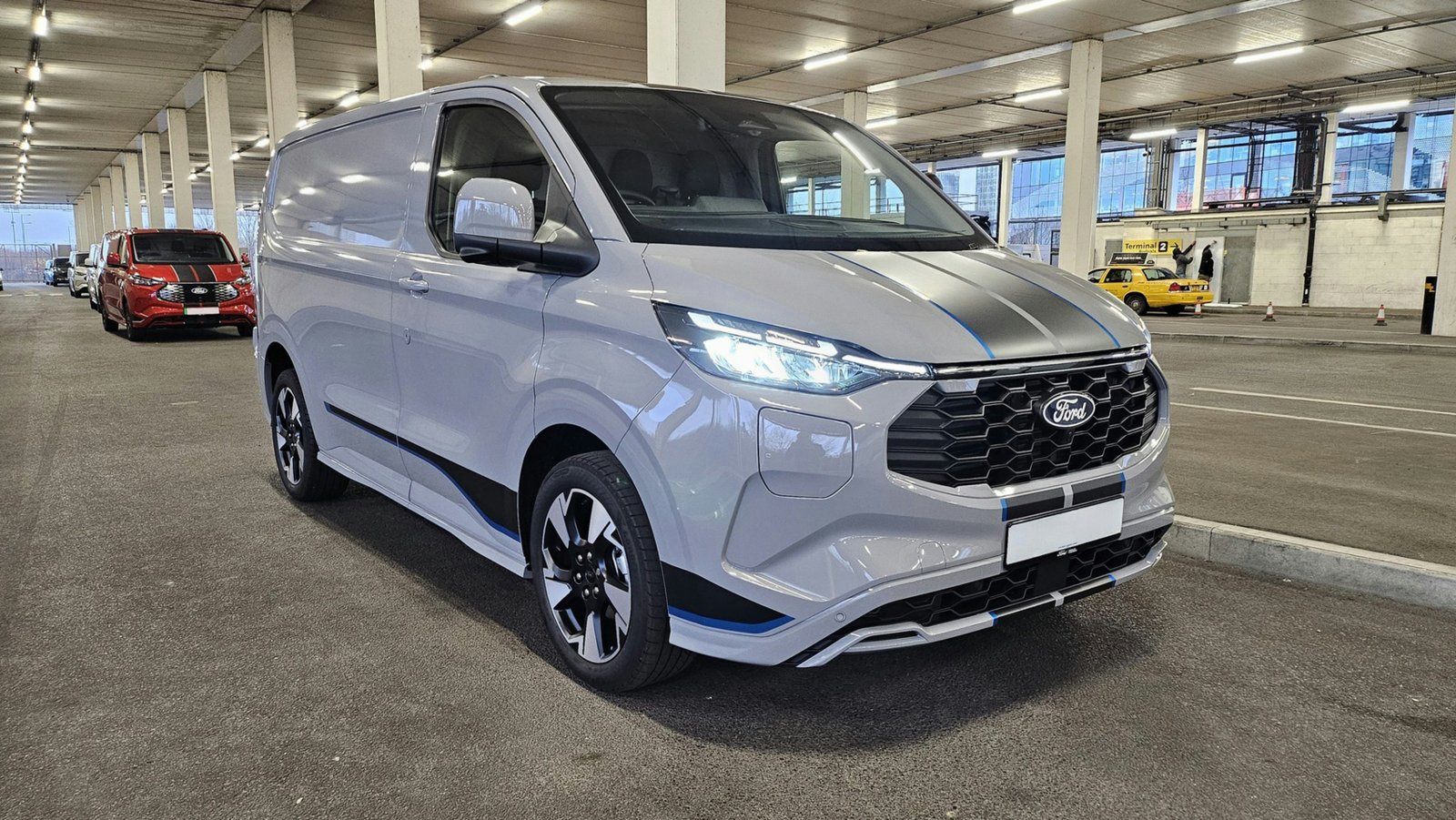
Photo by Autotrader UK on Unsplash
Start With the Cabin Heat Load
Glass is the biggest source of heat gain in a van cabin. Large windshields and door windows trap solar energy fast. A parked cab can climb far above outdoor temperature in minutes. Drivers then run the air conditioner at full load. That burns fuel and stresses the compressor.
Window film is the fastest fix. Ceramic film blocks infrared heat without making the glass too dark. Local tint laws still apply, so check visible light limits in each region. A specialist like Solar Shade Window Tint can match film grade to your climate and legal limits.
Add a reflective windshield shade for parked time. Consider a light-colored roof wrap for vans that sit in direct sun. A cooler cab means less compressor load. Drivers also reach each stop less drained.
Cut Weight and Drag
Weight directly affects fuel use. DOE guidance puts the penalty near 1 percent of fuel economy per 100 pounds on light vehicles. Delivery loads change daily. Dead weight in the cargo bay is a constant tax.
Audit what rides in the van every shift. These items are the usual offenders:
- Steel shelving that could be replaced with aluminum or composite units
- Heavy plywood liners and bulkheads
- Spare parts and tools the driver never uses
- Roof racks left on when no ladder is carried
Drag matters at highway speed. Roof fairings and side skirts can reduce wind resistance on tall vans. Empty racks still add drag. Keep tires at placard pressure too. Low pressure raises rolling resistance and wears tread unevenly.
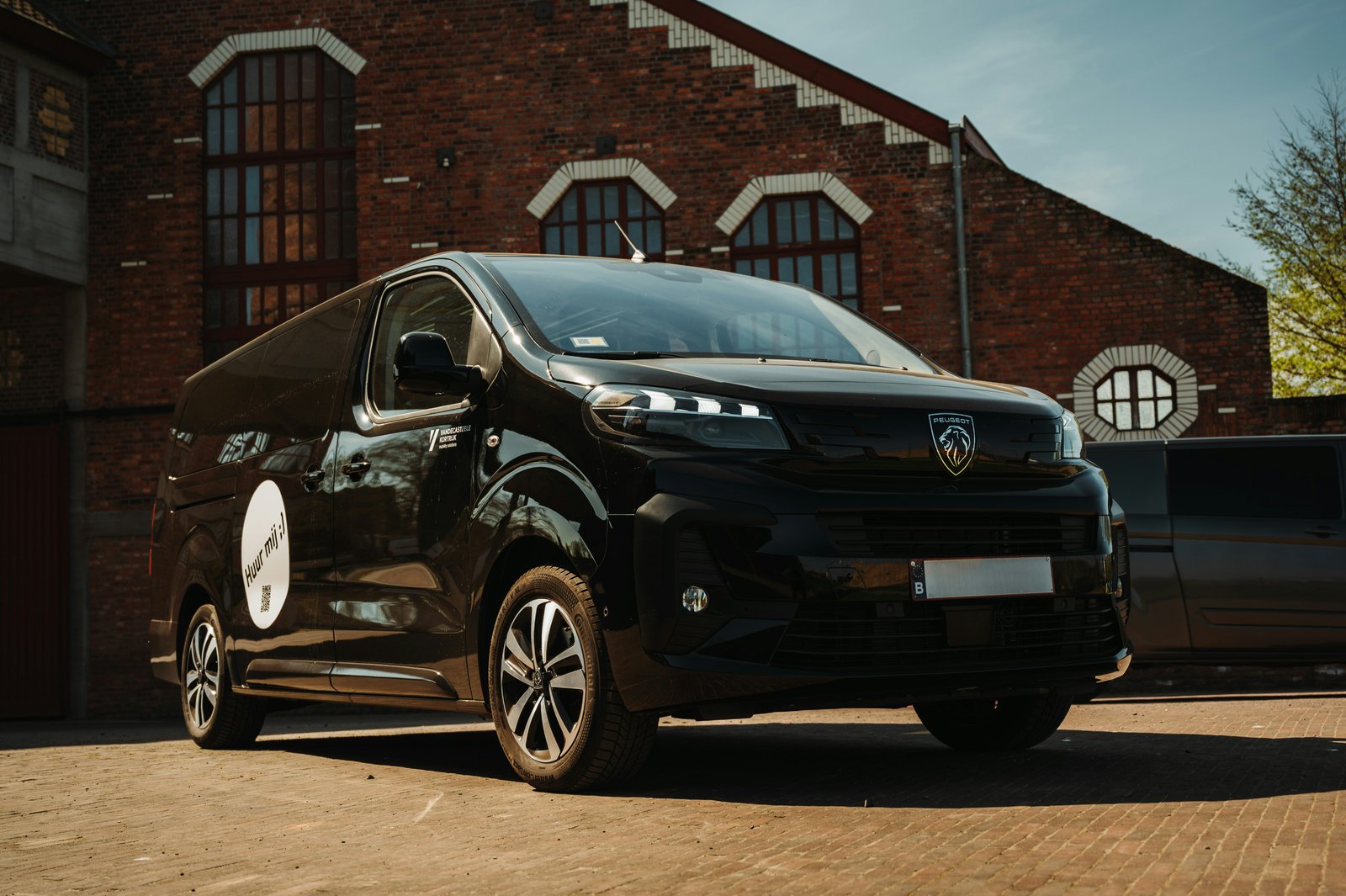
Photo by lucas clarysse on Unsplash
Stop Idling Without Losing Comfort
Idling wastes fuel and adds engine wear. The Department of Energy states that idling can usually be reduced without compromising driver comfort. Its idle reduction guidance also covers stop-start systems and fleet toolkits. Many vans already have stop-start hardware that is simply disabled.
Vans have a few practical options. Auxiliary battery packs can run a cab fan or heater during short stops. An insulated bulkhead keeps cargo bay temperature from bleeding into the cab. Telematics can report idle minutes per driver. Set a clear policy, such as engine off after two minutes at a stop. Then review the data weekly.
Improve Driver Ergonomics for Long Shifts
Comfort also depends on how the driver interacts with the van throughout the day. An adjustable seat with lumbar support helps reduce lower-back strain during long routes. A steering wheel with proper reach and tilt adjustment improves posture and control. Keep frequently used controls within easy reach to limit unnecessary stretching.
Rubber floor mats reduce foot fatigue and make cleaning easier. Consider adding a phone mount at eye level for safer navigation. These changes may seem minor, but they improve daily working conditions. A comfortable driver can stay focused, manage deliveries efficiently, and finish shifts with less fatigue.
Design the Cargo Area for Fast Access
Efficiency is also about time. A few seconds saved at the shelves repeats on every stop. Over a route, that adds up to real minutes.
Use a layout that follows a simple logic:
- Place heavy parcels low and close to the door
- Group packages in stop order
- Use color-coded, labeled bins
- Add LED lighting inside the bay
- Fit a step with a non-slip surface to reduce slips and knee strain
The layout works best when it matches route data. Good delivery routing software sequences stops so loading order mirrors the drive. The driver pulls the next parcel without searching. Fewer detours also mean fewer cold starts and less idle time.
Place a small organizer near the side door for delivery labels, scanners, paperwork, and other daily essentials. Secure loose equipment with straps or dedicated holders to prevent movement while driving. Keep emergency supplies in a clearly marked, accessible compartment so drivers can find them without unloading parcels.
Measure Before You Spend
Do not retrofit the whole fleet at once. Pick three vans on similar routes. Upgrade two and keep one as a control. Track fuel per route, idle minutes, cab temperature, and driver feedback for 30 days.
Compare the results against cost. Keep the upgrades that pay back quickly. Drop the ones that do not. Small, measured changes usually beat large, unproven ones.