

Buying a Project Car Out of State – A Motorsport Enthusiast's Guide to Safe Vehicle Transport
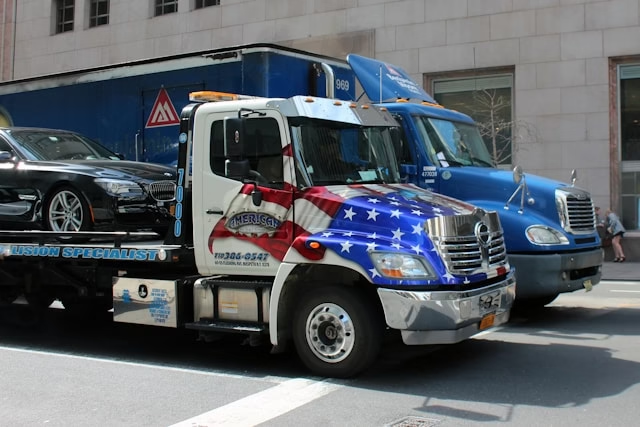
There’s a particular kind of excitement that comes with finding the right project car – the one you’ve been searching for on forums, Facebook groups, and auction sites for months. More often than not, that car isn’t parked a few miles away. It’s three states over, sitting in a barn, a storage unit, or someone’s garage, waiting for a buyer who’s willing to look past the surface rust and see what it could become.
For motorsport enthusiasts, this is a familiar scenario. Whether you’re chasing a specific chassis for a track build, hunting down a rare trim for a restoration, or simply trying to complete a matched pair for your garage, the best deals rarely show up locally. Once the purchase is made, the real question begins: how do you actually get the car home?
The Drive-It-Yourself Temptation
The first instinct for many buyers is to fly out, inspect the car, and drive it back themselves. Something is appealing about that road trip narrative – windows down, a new project humming along beneath you, stories to tell later. And for some cars, in good running condition, with a clear title and no immediate mechanical concerns, this can work fine.
But project cars rarely fit that description. Many haven’t been driven in years. Brakes seize, fuel lines dry out, tires develop flat spots or aren’t roadworthy anymore. A car that looked complete in photos can turn into a liability the moment it’s asked to cover five hundred highway miles. Beyond the mechanical risk, there’s also the matter of insurance, registration in a state where the car isn’t yet titled to you, and the simple fact that most buyers don’t have a spare week to dedicate to a cross-country drive.
Why Transport Becomes the Practical Choice
This is where professional vehicle transport enters the picture, and for good reason. Shipping a car removes the mechanical guesswork entirely. It doesn’t matter if the engine turns over or not, if the brakes need bleeding, or if the car hasn’t moved under its own power in a decade – a transport truck doesn’t care about any of that.
It also protects the investment itself. A project car, particularly one tied to a specific model or racing pedigree, often carries value that goes beyond its current condition. Enclosed transport, in particular, shields the vehicle from road debris, weather, and the general wear of an open highway. For buyers who’ve just spent months tracking down a numbers-matching engine or an unmolested body shell, that peace of mind is worth the cost.
There’s also a timing advantage that’s easy to overlook. Auctions and private sales move fast, and sellers aren’t always willing to hold a car for weeks while a buyer figures out logistics. Having a plan for transport ready before you bid – or at least know how to arrange it quickly – means you’re not scrambling after the fact, and you’re not leaving a car sitting exposed at a seller’s property longer than necessary.
What to Actually Look For
Not every transport situation is the same, and project cars in particular come with quirks that are worth thinking through before booking anything.
Ground clearance matters more than people expect. A lowered build or a car sitting on flat tires can be difficult to load onto a standard flatbed, and this is where experienced carriers make a real difference – they’ve seen it before and know how to handle it without damaging the undercarriage.
Non-running status needs to be flagged upfront, not discovered on pickup day. Winching a dead car onto a trailer takes different equipment and more time than loading one that drives up the ramp, and not every driver shows up prepared for that unless they’ve been told in advance.
Documentation should be sorted before the truck arrives. Out-of-state purchases sometimes come with title complications, especially with older vehicles or cars that have sat unregistered for years. Having the paperwork organized ahead of time saves everyone a headache at pickup and delivery.
This is usually when buyers start comparing quotes and reading reviews, trying to figure out which of the many car shipping companies actually specializes in this kind of transport rather than treating every vehicle as a standard daily driver headed to a dealership lot. The difference shows up in the details – whether the company asks the right questions about condition, whether they offer enclosed options, and whether their drivers have experience with vehicles that don’t roll on their own power.
A Few Lessons from Experience
Anyone who’s done this more than once tends to develop a short list of habits. Photographing the car thoroughly before it’s loaded – every panel, every existing scratch – protects against disputes later. Confirming insurance coverage during transit isn’t something to assume; it’s worth asking directly what’s covered and what isn’t. And building in a buffer of a few extra days beyond the quoted delivery window avoids unnecessary stress, since weather and route changes can push timelines even with reliable carriers.
None of this diminishes the thrill of the find. If anything, having a solid transport plan means you get to enjoy the excitement of the purchase without the nagging worry of how the car is actually going to get to your garage. The logistics, once you’ve been through them a time or two, become just another part of the process – less glamorous than the hunt itself, but just as essential to actually building the car you set out to find.