

Future of Automotive Design: What's Next?
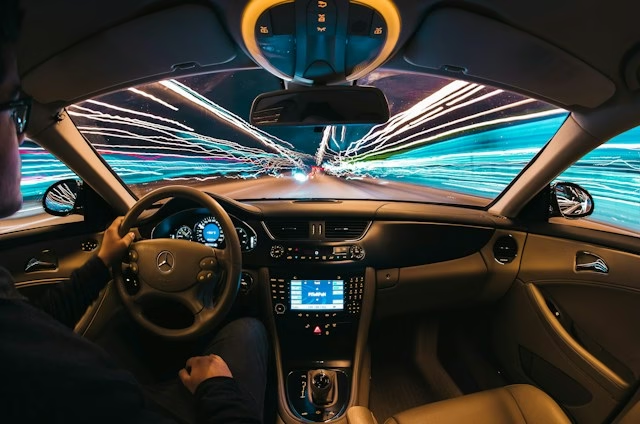
The cars we drive are changing more dramatically than at any other time since they were invented. For decades, car design followed a familiar pattern. But now, new technologies, environmental worries, and shifting customer expectations are forcing a complete rethink.
The future of car design isn’t just about small style updates; it’s about fundamentally reimagining what a vehicle is and how we use it.
Beyond the Internal Combustion
The most obvious change comes from moving away from the traditional internal combustion engine. Electric vehicles (EVs) give designers a blank canvas. Without a big engine up front, a bulky transmission tunnel, or an exhaust system, the classic “two-box” or “three-box” car shape is no longer necessary. This freedom means shorter bonnets, longer wheelbases, and roomier interiors.
Designers are playing with flat floors and redesigned front ends, often swapping grilles for sensor arrays or sleek, aerodynamic surfaces. Even for cars that still use traditional power, efficiency is key. Manufacturers are building advanced hybrid systems and more efficient engines for upcoming models like the 2027 Ford Expedition, showing how all types of vehicles are adapting for a new era.
Smart Interiors and Connectivity
The car’s interior is becoming just as important as its exterior. As vehicles get more connected and automated, the cabin is turning into a mobile living room or office. Minimalist dashboards with large, high-resolution touchscreens are now common, replacing many physical buttons and dials. These systems combine navigation, entertainment, and car controls into one customizable interface.
The idea of the future of car interiors focuses heavily on the experience of using the car. Voice assistants are getting smarter, letting drivers control functions without taking their hands off the wheel. Plus, over-the-air software updates mean a car’s features can improve and evolve throughout its lifespan.
Aerodynamics and Efficiency
Manufacturers are trying to squeeze every last mile from a battery or drop of fuel, making aerodynamics a major focus. Design is increasingly driven by function, leading to smoother, more streamlined shapes that cut through the air with minimal resistance. This pursuit of efficiency shows up in many new design trends.
Features once found only on high-performance sports cars, like flush-fitting door handles, flat underbodies, and active aerodynamic elements that deploy at speed, are becoming standard on family cars. Wing mirrors are being replaced by smaller, more aerodynamic camera pods that project an image onto screens inside the cabin, cutting down on both drag and wind noise.
Sustainable Materials Driving Change
The push for sustainability goes beyond the engine and into the very materials used to build cars. There’s a big shift away from traditional chrome, animal-based leathers, and petroleum-based plastics towards more eco-friendly options. Interiors now feature innovative materials such as:
- Fabrics made from recycled plastic bottles.
- Wood trim from sustainably managed forests.
- Vegan leathers from sources like pineapple leaves, cactus, or mushrooms.
- Composites made from natural fibres like flax or hemp.
These materials not only reduce a vehicle’s environmental impact but also open up new design possibilities, offering unique textures and finishes that contribute to a modern and luxurious feel.
Envisioning the Next Generation
Looking further ahead, fully autonomous driving promises the most radical changes to car design yet. When a car no longer needs a permanent driver, the entire layout can be reconfigured. Steering wheels and pedals could retract or disappear completely, freeing up space for more flexible, lounge-like seating arrangements.
Side windows might become interactive displays for entertainment or information. These automotive design innovations suggest a future where cars aren’t just for getting around, but are fully integrated platforms for working, relaxing, and socialising on the go.
The next decade will be a fascinating time for car design. The vehicles of tomorrow won’t just look different; they will feel and function in fundamentally new ways, driven by technology and a greater awareness of our planet.
Featured Photo by Samuele Errico Piccarini on Unsplash