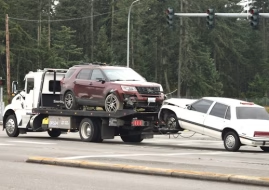


How Motorsport Safety Lessons Can Protect Drivers on the Road

A serious car crash can leave drivers facing more than visible vehicle damage, including hidden injuries, delayed concussion symptoms, and uncertainty about what to do next. Overlooking these risks can complicate recovery and create lasting physical, financial, and emotional stress. Discover how motorsport safety principles and systematic risk management can help you recognize hidden dangers, protect occupants, and make more informed decisions after a collision.
Safety Cells and Crumple Zones
A modern race car protects its occupant through two linked structures. The rigid safety cell preserves survival space while surrounding components deform to absorb impact energy. Road vehicles follow a similar concept. This explanation of engineered energy absorption zones shows why visible body damage can indicate that energy was directed away from the passenger compartment.
A badly crumpled front end doesn’t automatically mean the vehicle failed. The condition of the cabin, doors, and restraint systems matters more. After a street crash, photograph exterior damage and the interior before repairs begin. Don’t drive a damaged vehicle until a qualified technician has checked its structure, steering, and safety systems.
Why Cockpit Extractions Are Meticulous
Track medical crews stabilize the vehicle, assess the driver, and support the head and neck before beginning an extraction. Speed matters, but uncontrolled movement can aggravate a spinal injury. Crews may remove panels or seats when that creates a safer path out of the cockpit.
The same caution applies on public roads. Unless there’s an immediate hazard, stay still and wait for trained responders if you have severe neck pain, weakness, numbness, or confusion. Turn off the vehicle if you can do so safely and describe your symptoms clearly. A wider reflection on human fragility in crashes also explains why apparent vehicle control shouldn’t be confused with protection from physical forces.
Handling Post-Impact Medical Deadlines
Motorsport teams document the incident time, initial symptoms, and every medical assessment. Street drivers should create a similar record. Seek prompt medical attention after a significant impact, especially if you develop head pain, dizziness, chest discomfort, abdominal pain, or limited movement. Call emergency services for severe or worsening symptoms.
Deadlines can also affect insurance benefits and legal rights. Florida drivers can consult a 14-day checklist for drivers hurt in a crash for guidance on treatment records, evidence, and PIP-related timing. Keep discharge papers, appointment notes, and receipts together. Write down when each symptom began because a dated account can help doctors evaluate changes and support accurate claim documentation.
When Concussion Symptoms Emerge Days Later
A concussion may not produce obvious symptoms at the crash scene. Headache, light sensitivity, fatigue, poor concentration, sleep changes, or irritability can appear hours or days later. Adrenaline and the confusion surrounding a collision may also mask early problems.
Monitor yourself closely and ask someone you trust to watch for changes. Record symptoms with dates and times, then share that log with a medical professional. Seek urgent help for repeated vomiting, increasing confusion, slurred speech, seizures, weakness, or a worsening headache. Avoid driving, strenuous exercise, and activities that risk another impact until a clinician advises that they’re safe. Medical evaluation matters even when there’s no visible head injury.
Translate Track Standards to Street Safety
Motorsport treats safety as a system that begins before an incident. Drivers use proper seating positions, restraints fit correctly, and damaged equipment receives close inspection. On the street, adjust your seat so you can reach the pedals without stretching, keep the seatback reasonably upright, and place the head restraint near the back of your head. Every occupant should use the correct restraint for their size.
After a collision, follow a repeatable process: move to safety if possible, contact responders, exchange information, and preserve photographs. Understanding how to identify and manage risks systematically reinforces the importance of treating vehicle safety as an ongoing responsibility rather than something to consider only after an incident. The most useful lesson is simple: treat every significant impact as an event worth inspecting, documenting, and medically assessing.
Photo by Aleksei Shabalin on Unsplash