
Inside the Evolution of Street-Inspired Sport Trucks
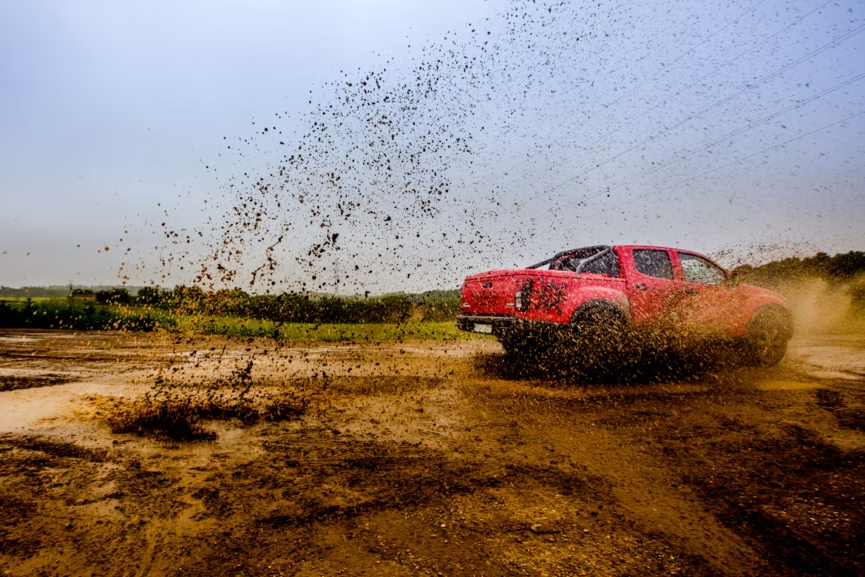
Pickup trucks developed into performance vehicles when manufacturers began blending work-ready platforms with racing cues, lowered suspensions and bold street styling. The resulting sport trucks appealed to drivers who wanted everyday practicality with the attitude of a tuned coupe.
Their design has changed considerably since the 1990s, but the basic idea remains visible in modern appearance packages and performance-oriented trims. The broader history of pickup trucks shows how flexible the format has always been, shifting from basic transportation to family vehicle and lifestyle statement.
When NASCAR Inspired Production Pickups
The launch of a national truck racing series in 1995 gave performance pickups a much larger stage. The NASCAR truck era placed familiar pickup silhouettes into closely contested races, helping manufacturers connect showroom models with motorsport.
Production trucks adopted visual details that echoed the track, including deeper front valances, prominent air intakes and body-color trim. Some models also received larger wheels, firmer suspension settings and more responsive engines. These changes created a recognizable category without removing the bed or basic utility that defined the vehicle.
For collectors assessing a period sport truck today, factory documentation matters. Original trim codes, wheel designs and suspension components can distinguish a genuine package from a standard pickup modified later.
Factory Street Packages Take Over
Manufacturers soon realized that buyers wanted a coordinated package backed by the factory. Instead of assembling aftermarket parts one at a time, customers could order a pickup with matched exterior details, wheels, cabin finishes and chassis tuning.
That approach still shapes the market. A current Silverado RST trim, for example, reflects how street-focused styling has moved into a broader factory trim structure. Buyers can get body-color exterior elements and a sportier presentation while retaining the cab, bed and technology expected from a modern pickup.
When comparing packages, look beyond badges and wheel diameter. Check the engine choice, tire type, suspension setup and towing specifications. Two trucks with similar styling may behave very differently once they carry passengers, travel on broken pavement or pull a trailer.
The Demise of the Lowered Single Cab
The lowered single-cab pickup once represented the purest form of the street truck. Its short passenger compartment kept weight down, while a compact wheelbase produced proportions that looked natural with reduced ride height and wide tires. Simple cabins also kept prices within reach of younger enthusiasts.
Consumer demand gradually moved toward extended and crew cabs. Drivers wanted usable rear seats, easier child-seat access and secure interior storage. At the same time, very low suspension setups could reduce ground clearance and limit payload capability, creating compromises for anyone using the truck every day.
Surviving single-cab models now attract enthusiasts because they offer a focused driving experience and clean profile. Before buying one, inspect tire wear, suspension geometry and the underside carefully. Poorly executed lowering work can cause rubbing, uneven handling and damaged components.
How Modern Utility Replaced Pure Speed
Modern sport trucks serve more roles than their predecessors. Crew cabs carry five people, infotainment systems support daily commuting and driver-assistance features reduce fatigue on long highway trips. Configurable beds, integrated power outlets and camera systems also make the vehicles useful away from paved roads.
Performance remains part of the formula, but buyers now judge it alongside payload, cabin space and all-weather traction. Even appearance-focused packages usually preserve a practical ride height and offer several powertrain options. This broader capability explains why the old formula of a light single cab with a low stance has become uncommon.
The classic street truck survives through proportion, color and detail. A clean body-color front end, well-fitted wheels and controlled suspension tuning can still create the right character without sacrificing the functions that turned pickups into everyday vehicles.
Featured Image Credit: Unsplash