

Five Track Day Habits That Protect Your Commuter Car
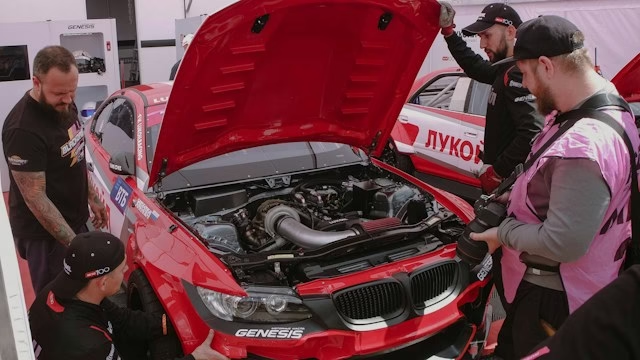
A track day puts heat and stress into parts that usually handle mild commutes, so a few disciplined habits can protect the car you still need on Monday morning. The best routines begin before you reach the circuit and continue after the tires have cooled. They also help you spot minor changes before they turn into expensive repairs or leave the car parked when you need it most.
Detailed Pre-Drive Walkarounds
Inspect the car in good light before every event. A basic walkaround should cover tire pressure, tread condition, wheel hardware, fluid leaks and loose exterior trim. Look closely for cuts, bulges or embedded debris in each tire, then check pressures while the tires are cold. Remove unnecessary items from the cabin and trunk so nothing moves during hard braking.
A detailed track day preparation guide can help you build a repeatable checklist. Take a few phone photos during the inspection too. Comparing them after the event may reveal fresh fluid residue, unusual tire wear or a body panel that has shifted.
Monitoring Fluid Levels Religiously
Check engine oil, coolant and brake fluid well before leaving home, then inspect them again once the car has cooled after the event. Following a consistent car maintenance routine helps you catch potential issues before they affect performance or safety. Use the procedure in the owner’s manual because some vehicles require a warm engine or level surface for an accurate reading. Never open a pressurized cooling system while it’s hot.
Fluid condition matters as much as quantity. Dark brake fluid, an unexplained drop in coolant, or oil that smells strongly of fuel deserves professional attention. Bring only manufacturer-approved fluids for minor top-offs. A sudden change in any level should end your sessions until you understand the cause, even if the car still seems to run normally.
Trusting Certified Mechanical Inspections
Schedule a qualified inspection several weeks before the event, leaving enough time to order parts and complete repairs. Ask the technician to assess the brakes, tires, steering, suspension, belts, hoses, and battery mounting. Explain that the car serves as daily transportation and will also see closed-course driving, since that context affects what the technician checks.
Chicago-area owners who need an inspection or routine maintenance can review the services listed at norwoodautoservice.com. Wherever you live, choose a shop that documents measurements such as brake-pad thickness and tire tread depth. Specific readings make it easier to judge wear after the event and plan service before the next one.
Listening for Brake Fade Early
Brake fade often announces itself through a longer pedal, reduced stopping response or a pedal that feels softer as a session continues. Treat any change as a signal to slow down, leave the driving line safely, and return to the paddock. Trying to squeeze in one more fast lap can overheat pads, fluid, and rotors beyond their effective range.
Build cool-down time into every session and avoid holding the brake pedal firmly after stopping with very hot brakes. A first track day guide also helps set realistic expectations for session length and preparation. Once home, pay attention to vibration, scraping sounds or a changed pedal feel during normal driving and arrange an inspection if any symptom remains.
Maintaining Consistent Service Records
Keep one record for street maintenance and track-related checks so the car’s full history stays visible. Record the event date, mileage, tire pressures, fluid changes, inspection findings, and any unusual behavior. Notes such as “steering vibration began during the third session” are far more useful than trying to recall details months later.
Receipts and measurements also show how quickly consumable parts wear under your actual driving pattern. If front pads lose several millimeters across two events, you can schedule replacement before reaching a risky threshold. Finish each event with a dated post-drive entry after the car has cooled. That final note turns a fun day at the circuit into useful evidence for keeping your commuter dependable.
Photo by Ivan Ivanov on Unsplash