


How motorsport safety innovations save lives in civilian car accidents
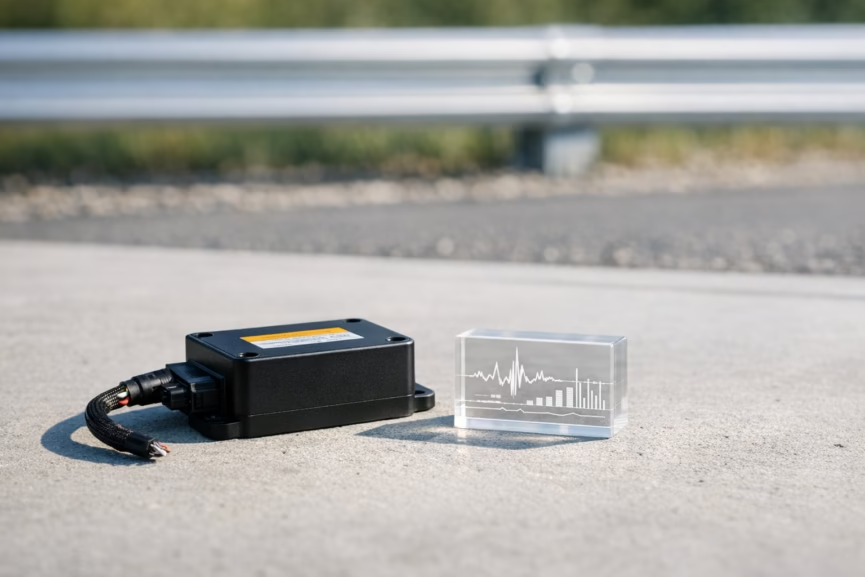
Motorsport safety innovations have shaped how injuries are prevented and accidents are analyzed, impacting both racetrack incidents and real-world collisions. Technologies such as crash data recorders, fire-retardant materials, and advanced barriers provide tools that are now also found in civilian vehicles and infrastructure. These developments improve investigation accuracy and raise safety standards for all road users, strengthening the work of an attorney and informing each lawsuit.
Advancements once reserved for racing are increasingly vital outside motorsport, with crash data recorders leading the way in evidence-based accident analysis. Today, the records created by motorsport “black boxes” are mirrored by systems found in many road cars, giving a car accident lawyer better insight into the circumstances of a civilian crash. Understanding how motorsport safety technology translates into the real world shows how innovations on the track can save lives away from it. These tools now support attorneys in lawsuits, help clarify liability, and fuel ongoing improvements in injury prevention through years of experience drawn from real collision data.
Crash data recorders: From racetracks to city streets
Crash data recorders have long been critical in racing, capturing high-frequency data during severe impacts, providing a precise account of what happened, and guiding safety responses. Such technology gathers details about speed, force, and timing, information equally valuable for understanding major incidents in motorsport and on the road, and for helping an attorney frame a clear narrative in a lawsuit.
These devices are now common in civilian vehicles. After an accident, data extracted from these “black boxes” can inform legal teams and technical experts evaluating potential causes. The objective record, unlike traditional eyewitness testimony, strengthens the foundation for investigations and lawsuits led by an attorney. The data ensures a factual understanding of both fault and mechanical performance in the moments leading up to a crash.
Protective materials and barrier innovations transfer to public roads
Years of experience addressing hazards in racing have brought innovations like fire-retardant suits, improved cockpit insulation, and energy-absorbing barriers. These solutions, developed to mitigate intense collisions and fires on the racetrack, have left their mark on the design of highway safety systems and modern automobiles.
The adoption of materials such as advanced fire-resistant fibers and the implementation of safer roadside barriers show a direct link between motorsport and civilian protection. Not only do these features lower the risk of severe injury, but they also offer vital data for attorneys and investigators handling lawsuit proceedings regarding roadside safety. Years of experience studying impacts also guides engineers in refining how barriers absorb energy and redirect vehicles.
The legal and societal impact of motorsport-driven safety technology
Motorsport’s commitment to recording and analyzing incidents has changed how evidence is gathered and interpreted in civilian crashes. Insights from racing crash recorders and advanced engineering contribute to better accident reconstructions, often guiding legal teams with years of experience in advocating for accident victims. Attorneys rely increasingly on this data to clarify responsibility and support their clients throughout lawsuit proceedings.
Widespread use of these innovations has raised expectations for both manufacturers and public agencies, resulting in safer vehicles and improved infrastructure. Whether used in reconstructing accidents or reducing risks on highways, the tools rooted in motorsport safety demonstrate an ongoing, practical influence. As racing continues to pioneer new protections, its impact on saving lives in civilian car accidents remains tangible and significant.
Related Posts