


Before You Book Diesel Performance Work: What a Good Shop Should Get Right
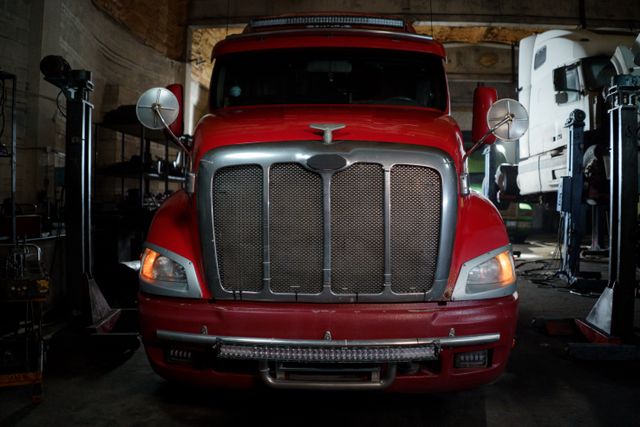
Choosing a diesel performance shop is about more than finding someone who promises impressive horsepower figures. The right specialist should understand how an engine, transmission, fuel system, turbocharger, and supporting components work together. A modification that looks impressive on a dyno sheet may not deliver the reliability, drivability, or performance an owner actually needs.
Before booking any work, take time to understand how the shop approaches diagnostics, recommends modifications, communicates potential risks, and evaluates the truck’s intended use. These details can reveal far more about its capabilities than promotional claims or attractive packages.
Start With the Shop’s Real Diesel Focus
Not every automotive workshop has the same level of experience with diesel engines. Diesel performance involves specific considerations, including fuel delivery, injection timing, boost pressure, exhaust temperatures, and the relationship between engine output and drivetrain capacity. A shop that primarily handles general repairs may not have the specialist knowledge required for more involved performance work.
Look for evidence of experience with your particular engine platform. Ask whether the technicians regularly work on similar trucks, understand common platform-specific issues, and can explain the modifications they recommend. Experience should be demonstrated through technical knowledge and completed projects, not simply claims of expertise.
Before choosing a diesel performance shop, take time to understand the company behind the services. 205 Diesel is one option worth exploring when researching specialists in this field. Reviewing the company’s background, service offerings, and approach to diesel performance can help you determine whether its capabilities align with your truck’s requirements. Their website provides an initial overview of the company and its services, giving you a useful starting point before speaking directly with its team. Use that research to prepare questions about experience with your engine platform, previous projects, diagnostics, and the modifications you are considering.
Photo by stevosdisposable on Unsplash
Look Beyond Peak Horsepower Claims
Horsepower figures are easy to advertise, but they rarely tell the whole story. A performance build should be evaluated according to how the truck behaves under real operating conditions.
Torque delivery, exhaust gas temperatures (EGTs), transmission response, and overall drivability are equally important. A sudden increase in torque may place additional stress on the transmission and other drivetrain components. Similarly, a tune that produces impressive peak power but consistently pushes temperatures beyond appropriate operating limits may create reliability concerns.
Ask how the shop measures and manages these factors. Does it consider power delivery across the usable RPM range? Can it explain the expected effect on towing performance, acceleration, and everyday driving? A knowledgeable specialist should be able to discuss both the benefits and limitations of a proposed setup.
The objective is not necessarily to achieve the highest possible number. It is to create a balanced combination of performance, reliability, and predictable operation.
Ask How They Diagnose Before Recommending Parts
A responsible performance recommendation should begin with understanding the truck’s existing condition. Installing upgraded components without investigating an underlying problem can make an expensive project less effective and potentially introduce additional complications.
Ask what diagnostic process the shop follows before suggesting modifications. Depending on the vehicle and symptoms, this may involve scanning fault codes, reviewing live data, checking injector balance rates, inspecting fuel-system performance, testing boost pressure, and collecting datalogs.
The important distinction is between a shop that investigates the cause of a problem and one that immediately recommends replacement parts. A diagnostic process should help establish whether the engine is operating correctly and identify any weaknesses that could affect the proposed build.
Technical training standards also illustrate why diesel fuel-system diagnosis requires specific knowledge. The Automobile Technology competency standards cover diesel fuel-system servicing, injector testing, and fault diagnosis. These are useful areas to discuss when evaluating a technician’s practical experience.
Photo by Sahand Piryaei on Unsplash
Pay Attention to How They Discuss Supporting Modifications
Increasing engine output can affect more than the engine itself. Fuel delivery, air intake, turbocharger capacity, cooling, transmission strength, and exhaust systems may all influence the final result.
A good shop should explain which supporting modifications are necessary for your intended performance level and which are optional. It should also distinguish between components that address an existing limitation and upgrades that simply add cost without delivering meaningful benefits.
Ask what the proposed setup will require beyond the primary modification. Will the existing fuel system support the target output? Can the turbocharger operate efficiently at the requested boost level? Is additional cooling or transmission support advisable?
The answers should be specific to your truck rather than copied from a generic parts list. Equally important, the shop should explain what may happen if supporting components are left unchanged.
Be cautious of recommendations that promise substantial gains without discussing the additional demands placed on the vehicle. A reliable build depends on compatibility and sensible operating margins, not just a collection of expensive parts.
Check Whether They Understand Your Actual Use Case
Two trucks with identical engines may need very different performance setups. One might spend most of its time commuting, another may regularly tow heavy loads, while a third could be prepared for dedicated competition use.
Explain how you use your truck before discussing modifications. Mention towing frequency, typical loads, driving conditions, tire size, climate, altitude, and how much time the vehicle spends idling or working under sustained load.
These details can influence which upgrades make sense. A setup designed around short bursts of acceleration may not be appropriate for a truck that spends hours towing. Likewise, a daily driver generally benefits from predictable throttle response, manageable temperatures, and consistent performance rather than an aggressive tune designed for a narrow operating range.
A capable specialist will ask questions before recommending a package. If the shop does not show interest in how the vehicle is used, it may be prioritizing a standard performance recipe over a solution that genuinely suits the owner.
Evaluate Communication Like It Is Part of the Build
Technical ability matters, but communication is another important indicator of a professional operation. Before approving work, you should understand what is being changed, why it is necessary, what it will cost, and what limitations or risks may remain.
Ask for a clear explanation of the proposed work, including parts, labor, expected timelines, and any additional expenses that could arise. The shop should also explain whether the project requires follow-up adjustments, a break-in period, or post-installation monitoring.
Documentation is valuable, too. Keep records of the original condition, diagnostic findings, installed components, and final calibration details where applicable. These records can make future maintenance and troubleshooting easier.
Pay attention to how technicians respond to reasonable questions. Clear explanations and realistic expectations are encouraging signs. Vague promises, pressure to approve unnecessary work, or reluctance to discuss potential drawbacks deserve closer scrutiny.
A professional shop should be comfortable explaining what a modification can achieve as well as what it cannot guarantee.
Keep Emissions Compliance in the Conversation
Performance upgrades should not be evaluated separately from applicable emissions and road-use requirements. Ask whether the proposed parts and calibration are suitable for your vehicle’s intended use and comply with the rules that apply where it will be operated.
This is particularly important when discussing exhaust modifications, emissions-control components, or software changes. Removing or disabling required emissions equipment can create legal and environmental problems. The details vary by jurisdiction, so owners should not assume that a modification is permitted simply because a shop offers it.
The EPA’s guidance on aftermarket defeat devices and tampering explains restrictions under the US Clean Air Act. It is a useful reference for understanding why emissions compliance should form part of a responsible performance conversation.
Photo by Nezar Bani Nasur on Unsplash
Use Reviews Carefully and Trust Technical Depth More
Customer reviews can help narrow down your options, but they should not be the only basis for choosing a shop. A high rating does not necessarily demonstrate expertise in complex diesel performance work.
Look for feedback that describes the actual experience: whether the diagnosis was thorough, communication was consistent, the work was completed as agreed, and the truck performed as expected afterward. Detailed accounts are generally more useful than short comments that offer little information.
If possible, ask the shop for examples of projects involving vehicles similar to yours. Discuss what the owners wanted, what work was completed, and whether any challenges emerged during the process. The ability to explain those decisions is often more revealing than a gallery of impressive builds.
Ultimately, a good diesel performance shop should approach every project with technical discipline, realistic expectations, and a clear understanding of the owner’s priorities. Taking the time to assess these qualities before booking can help you avoid unnecessary spending and choose work that delivers meaningful, dependable results.