

A Pre-Upgrade Checklist for Your L5P Duramax
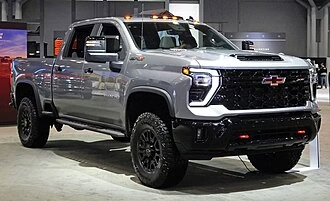
Before ordering upgrades for an L5P Duramax, make a plan for the truck you actually drive. A Silverado HD used for weekday deliveries and weekend towing needs a different purchasing strategy from a truck being built mainly for recreation.
Preparation doesn’t require a complicated build spreadsheet. It requires a clear goal, an accurate truck record, and answers to a few compatibility and ownership questions. This checklist turns those answers into something useful: a parts plan you can discuss with a supplier or installer before spending money.
1. Define what success looks like
Write one sentence describing the truck’s main job. Include the conditions that matter: frequent towing, mountain routes, hot weather, short trips, or long highway days. Then name the specific improvement you want.
Better information about operating temperatures is a different goal from a change in sound or a power increase. Keeping those goals separate helps prevent buying a package that solves a problem you don’t have.
Pick priorities rather than promising yourself everything at once. If dependable daily transportation comes first, downtime and service access belong near the top of the list. If the truck tows regularly, predictable behavior and keeping the vehicle within its ratings matter more than an advertised peak output.
Remember that added engine performance doesn’t establish higher towing or payload ratings. Use the truck’s labels, owner’s manual, and manufacturer trailering information for the applicable limits. Account for the actual truck, passengers, cargo, hitch, and trailer rather than assuming more torque creates more capacity.
Checkpoint: A short use-case statement and two or three ranked goals.
2. Create a record of the exact truck
Record the model year, VIN, engine, mileage, and relevant configuration details. Add tire size and any existing aftermarket equipment. Include known engine or transmission calibration changes, not just the parts visible under the hood.
This is especially useful for a used truck. Receipts and previous-owner information may help explain what’s already installed. If the calibration history is unclear, a qualified specialist can help establish the current setup before further changes are planned.
Don’t assume every L5P product fits every L5P application. A listing may distinguish model years, chassis configurations, or other equipment. Read those distinctions instead of treating the engine name as the only fitment requirement.
Keep a few clear photos of existing components and labels with the record. They can make a supplier conversation easier when an identifying detail is difficult to describe. Avoid posting a full VIN publicly when sharing pictures online.
Checkpoint: One reference sheet that can accompany every fitment question.
3. Establish a maintenance and diagnostic baseline
Review the owner’s manual and service records before building the shopping list. Identify scheduled work that is due, along with any unresolved symptoms. An upgrade budget shouldn’t displace maintenance the truck already needs.
Check service status for engine oil, filters, transmission fluid, and other items according to the applicable schedule. Use the specified products and procedures. There is no need to replace every serviceable part simply because an upgrade is planned.
Address warning lights, recurring low-power events, unusual noises, leaks, or unexpected temperature changes first. A new component makes diagnosis harder if the original problem remains. It can also lead you to blame the upgrade for behavior the truck already had.
If you’re unsure whether a symptom is normal, arrange a diagnostic assessment before purchasing performance hardware. Ask for the findings and recommended work in writing. Keep that information with the truck record so future decisions start from a known condition.
Checkpoint: Current service records and a list of resolved or professionally assessed concerns.
4. Check compliance and ownership implications early
For a truck driven on public roads, emissions compliance is a starting requirement. The EPA explains that federal law prohibits tampering with emissions controls and manufacturing, selling, or installing defeat devices. Retaining visible hardware isn’t by itself proof that a calibration complies with emissions requirements.
Ask for documentation covering the exact product and vehicle application. An off-road label doesn’t establish suitability for road use. State inspection, approval, and noise requirements may also affect a planned purchase.
Review warranty terms separately. FTC consumer guidance says aftermarket parts or independent service alone don’t void the vehicle’s warranty. However, coverage may be denied for damage caused by a defective part or improper installation. This is general U.S. guidance, not a prediction about a specific claim.
If the vehicle is leased, financed, or insured under terms that address modifications, review those terms too. Questions about an agreement or coverage belong with the relevant provider before installation, not after a dispute.
Checkpoint: Applicable product documentation and answers to any coverage or contract questions.
5. Build a shortlist around fitment, not advertising
Now turn the goals into a small shortlist. Write down each product’s exact part number, stated application, intended benefit, and installation requirements. Keep manufacturer documentation with the entry rather than relying on a saved advertisement.
Browsing L5P Duramax performance parts can help identify options for the project. Treat the collection as a starting point, then confirm each item’s compatibility with your truck and existing equipment.
Look for exclusions as carefully as the main fitment statement. Check what comes in the box and which supporting parts are required. If a listing leaves a relevant detail unclear, ask the supplier or manufacturer using the truck record from the earlier step.
Also check return conditions before opening packaging or scheduling installation. Keep written compatibility answers with the order confirmation. A part that is physically similar to the original isn’t necessarily appropriate for the application.
Checkpoint: A shortlist with documented fitment and no unanswered installation requirements.
6. Identify dependencies without buying unnecessary upgrades
Some components work independently; others depend on a particular hardware or calibration package. Establish which situation applies before committing to the first purchase. A sequence based on assumptions can leave the truck waiting for another part you hadn’t budgeted for.
An intake or exhaust product doesn’t automatically require a tune, and a tune isn’t the starting point for every owner’s goals. Follow the requirements for the actual component rather than treating tuning as compulsory.
For a proposed power increase, discuss the existing fuel system, transmission, cooling system, and driveline with a qualified L5P specialist. Ask which supporting changes are necessary for that specific plan and why. A forum’s universal horsepower threshold isn’t a substitute for evaluating the truck and intended use.
The same applies to airflow parts. Don’t assume an intake, exhaust component, or charge-air cooler guarantees better fuel economy or lower temperatures. Look for evidence relevant to the product and test conditions, and avoid building the budget around an advertised best-case result.
Checkpoint: A dependency list separating required items from optional preferences.
7. Decide what to observe before making changes
A baseline isn’t only a list of parts. Note how the healthy truck starts, shifts, and behaves during ordinary use. Record recurring conditions relevant to the goal, such as the route and load when a concern appears.
If the project involves calibration, ask the provider which data it needs, what equipment can supply it, and who will review the results. A monitor’s available readings vary with the truck, device, and sensors. Don’t assume a diagnostic-port display measures everything a particular project requires.
Temperature readings also need context. Sensor location and operating conditions affect interpretation, so avoid applying a limit copied from an unrelated setup. Use guidance appropriate to the vehicle and equipment.
Keep observations simple and safe. Review recorded information after parking rather than studying a display while driving. There is no need for aggressive acceleration or a heavily loaded test to create a useful record of normal operation.
Checkpoint: A practical observation or logging plan, with someone identified to interpret technical data when needed.
8. Budget for the finished installation
The advertised part price is only one line of the budget. Add required hardware, labor, fluids, shipping, taxes, programming if applicable, and final checks. Include any tools or service information needed for work you intend to do yourself.
Ask installers for a written scope. Find out whether they accept customer-supplied parts, what their labor coverage includes, and how additional work is approved. A cheaper estimate may cover less, so compare inclusions rather than totals alone.
Leave a contingency appropriate to the project’s size and the truck’s condition. Old hardware, an incorrect shipment, or a related service need can change the schedule. Don’t depend on a single optimistic completion date if the truck must leave for a trip.
Check core charges, return deadlines, and responsibility for shipping where relevant. Arrange alternate transportation before work begins if an interruption would affect your job or family schedule.
Checkpoint: A complete budget, agreed installation scope, and realistic downtime plan.
9. Stage the work and keep the records
Where the components allow it, make changes in manageable stages. That makes it easier to connect new behavior with a particular installation. Don’t separate hardware and software that the manufacturer specifies must work together; coordinate those changes as one stage.
Complete the prescribed installation checks before normal use. Start with ordinary unloaded operation only when the vehicle is ready for it, and address warning lights, leaks, or abnormal behavior before towing or taking a long trip. Don’t use a loaded trailer to investigate a suspected fault.
Save invoices, part numbers, instructions, installation dates, and relevant calibration details. Note what changed and whether the original goal was met. Those records help a future technician understand the truck and can prevent duplicate purchases later.
Checkpoint: A clear record of each completed stage and a healthy truck before the next one begins.
A useful upgrade plan ends with fewer unanswered questions, not necessarily more parts. Once the goals, baseline, compatibility, compliance, and total cost are clear, it’s easier to buy selectively. That preparation keeps the project focused on a Duramax that does its job well rather than a collection of upgrades chosen in isolation.