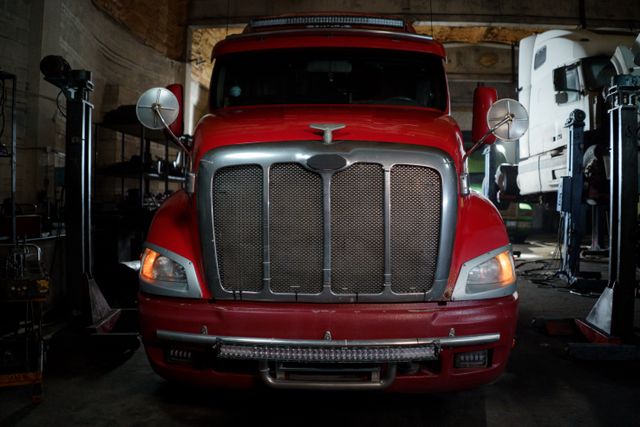


Why Heat Management Decides Every Long Distance Race
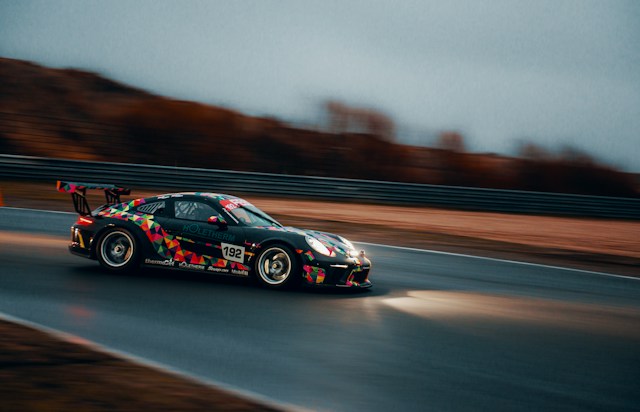
Long-distance racing exposes every weakness in a vehicle’s cooling system. An engine may produce strong lap times during a short session, yet sustained high speeds, repeated acceleration and changing weather place far greater thermal stress on its components. Once temperatures move outside their intended range, power can fall, fluids can degrade and mechanical damage can follow. Effective heat management allows the vehicle to maintain a consistent pace while protecting the engine, transmission and supporting systems over hundreds of miles.
The Brutal Physics of Engine Cooling
Combustion releases far more heat than the engine can turn into useful motion. Coolant absorbs part of that energy before carrying it to the radiator, where airflow transfers heat into the surrounding air. Oil also removes heat from bearings, pistons and other moving parts.
The system must work continuously under racing loads. Higher engine speed increases combustion events while close competition may expose the radiator to hot, disturbed air. The complexity of car cooling systems explains why radiators, pumps, ducts and fluid capacity must operate as one package. Learn more on motorsport.tech.
Before a long event, drivers should have leaks, pressure loss and unusual temperature behavior professionally diagnosed. Vehicle owners near Cedar Hill can find maintenance and diagnostic information at jenkinscarcare.com.
Aerodynamics and Radiator Airflow Demands
Cooling depends on getting enough high-pressure air through the radiator core and giving that heated air a clean exit path. A large inlet can increase drag without guaranteeing better cooling. Poorly sealed ducts may allow air to move around the radiator instead of through it, while debris and bent fins reduce the core’s effective surface area.
Teams must balance cooling demand against aerodynamic efficiency. Hot weather, traffic and low-speed corners may require more airflow than an isolated qualifying lap. This guide to off-road cooling conditions shows how restricted airflow and heavy loads can strain the same components outside circuit racing. Inspect duct seals, core cleanliness and outlet paths before changing radiator size.
Warning Signs of Coolant Breakdown on the Road
A rising temperature gauge is the clearest warning, but coolant trouble often appears earlier. Watch for a sweet smell, steam near the front of the vehicle or a heater that suddenly blows cold air. Temperature readings that climb under load and fall on straight sections may point to limited airflow, a weak pump or a partially blocked radiator.
Coolant can also lose its protective properties through age or contamination. Discoloration, oily residue and floating particles justify immediate inspection once the engine is cool. Never remove a pressurized cap from a hot system. Stop safely, shut the engine down and allow adequate cooling time. Continuing at a racing load can turn a minor hose or cap problem into cylinder-head damage.
Preventive Habits for Peak Temperature Control
Inspect the full cooling circuit before every endurance event. Check fluid level when the engine is cold, examine hoses for swelling or cracks and confirm that clamps remain secure. The radiator cap must hold its specified pressure because reduced pressure lowers the coolant’s boiling point. Fans, pumps and temperature sensors also need testing under operating conditions.
Successful temperature control follows the principle that cooling is a team effort. A larger radiator cannot compensate for trapped air, weak circulation or blocked ducting. Use the coolant type and replacement interval specified for the vehicle, bleed the system correctly and record normal temperatures during practice. That baseline makes a five- or ten-degree increase easier to catch before race day. Learn more on black-flag-racing.com.
Long-distance reliability often comes down to a stable gauge reading late in the event. If temperatures begin drifting upward during practice, treat that movement as useful evidence and trace the cause before the vehicle faces hours of uninterrupted load.