

What Motorsport Teaches You About Precision and Control
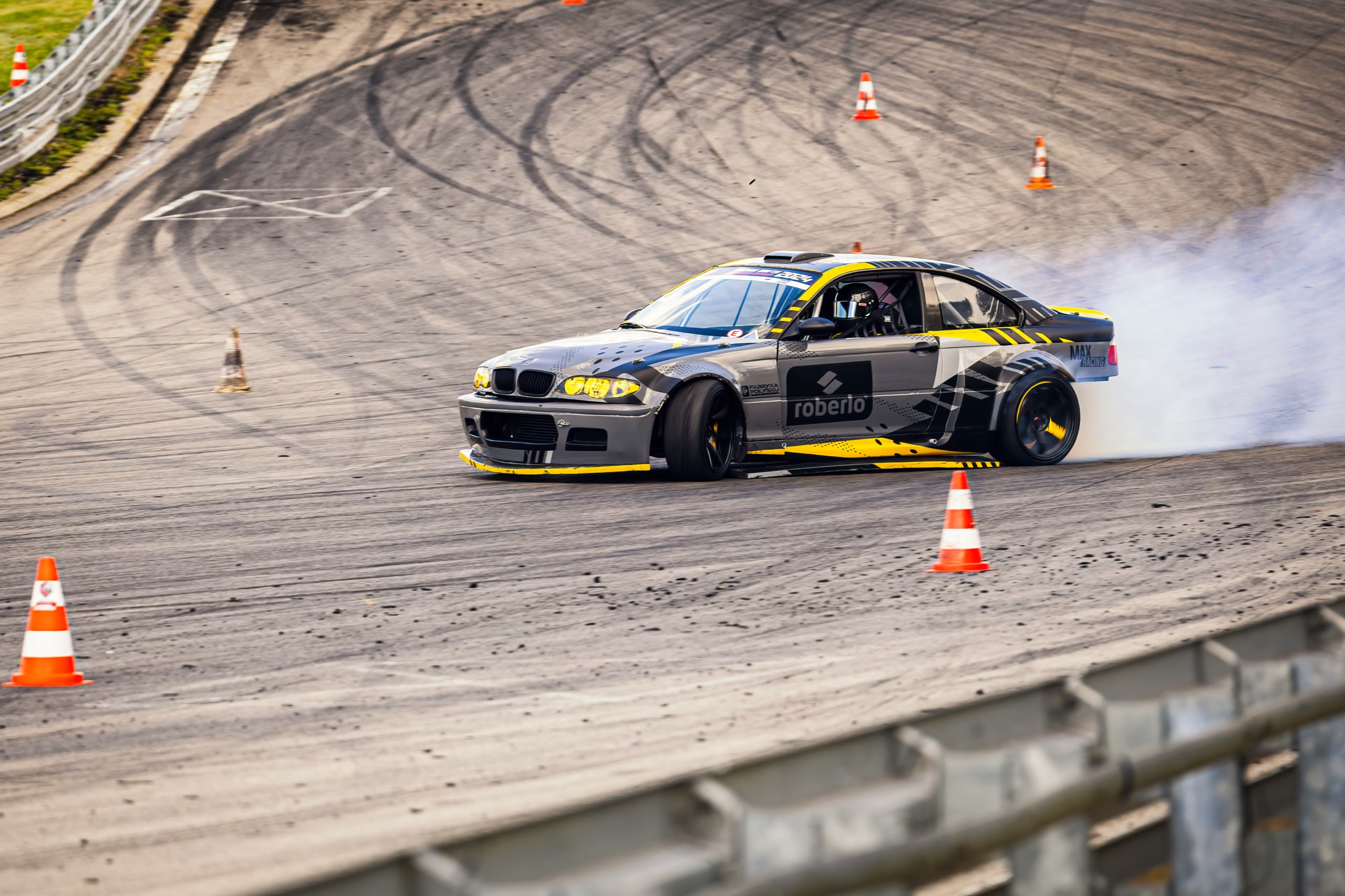
When you watch motorsport, it often looks like drivers are just running on pure instinct. Someone steering a car through a corner at 200 mph seems to be doing it without even thinking. But this amazing performance isn’t magic; it’s because they’ve really mastered some basic ideas. What we learn from the high-stakes world of racing can teach us a lot about doing our best, whether we’re on a track or doing something else that’s tough.
The Art of Vehicle Control
Controlling a vehicle really comes down to knowing how what you do affects the car. Every time you touch the steering wheel, every tiny bit you press the pedal, you’re sending a message. Top drivers have this deep, natural feeling for how their car will react. They’re not just steering; they’re managing how much grip the tyres have, shifting the car’s weight around, and constantly keeping the vehicle right on the edge of its limits. The same core principles of smooth control, balance, and anticipation also apply when you’re riding a motorcycle, where body position, throttle control, and careful braking all play an important role in maintaining stability and confidence. It’s all about being purposeful, precise, and thinking ahead with every input.
Mastering Balance at Speed
One of the most important skills is keeping the car balanced. When you speed up, slow down, or turn, you’re actually moving the vehicle’s weight around. A professional driver uses this weight shift as a tool. If they brake into a corner, weight moves to the front tires. This gives those tires more grip and helps the car turn more sharply. Then, gently pressing the gas as they leave the corner shifts weight to the back, giving them the traction they need to launch powerfully onto the straight. This constant balance of weight transfer happens throughout every corner. Knowing how this works helps a driver stay stable and get the most grip through every part of a corner, turning physics into an advantage in the race.
Precision in Challenging Conditions
Being at your best isn’t only about doing everything perfectly on a clear, dry track. It’s also about figuring things out when conditions aren’t great. Rain, changing track temperatures, or worn tires all mean you need to drive differently. In these situations, control becomes even more about being delicate. You have to be smoother and gentler with your inputs so you don’t lose the grip you have. Drivers need to get really good at reading the road, looking for traction, and changing their driving lines to match. A good driver’s guide to advanced skills often points out that this ability to adapt is what separates good drivers from great ones. It’s a mental challenge as much as a physical one, needing intense focus and the ability to understand what the car is telling you right away.
Endurance in High-Stakes Situations
Driving a race car at its limit is incredibly tough, both physically and mentally. Drivers deal with huge G-forces, super hot cockpits, and constant shaking for hours. This physical stress directly affects how well they think. When they get tired, their reactions slow down, and they make bad choices. That’s why physical training is a must-have for drivers. Being fit cardio-wise helps keep their heart rate steady under pressure, and strength training helps them handle the forces pushing on their bodies. This stamina is what lets them drive with the same precision on the last lap as they did on the first.
Training for Peak Performance
Being naturally talented isn’t enough to make a champion. It’s built up through thousands of hours of serious practice. Today’s drivers use all sorts of tools to get better. Simulators let them practice on any track in the world, helping them build muscle memory and try out different car setups without any risk. They spend hours with engineers looking at data from the car, trying to find tiny fractions of a second in their braking points or how fast they go through corners. This analytical way of thinking is combined with coaching on the track and endless physical preparation. It’s a complete process where everything, from what they eat to mental coaching, is fine-tuned to help them perform their best behind the wheel.
Trying to achieve perfect control is something you never stop working on. The skills you learn in motorsport show us that doing your best comes from really understanding the basics, committing to practice, and having the mental strength to perform when things get tough.
Image Credit: Pexels