

Innovations in Temperature-Controlled Transportation
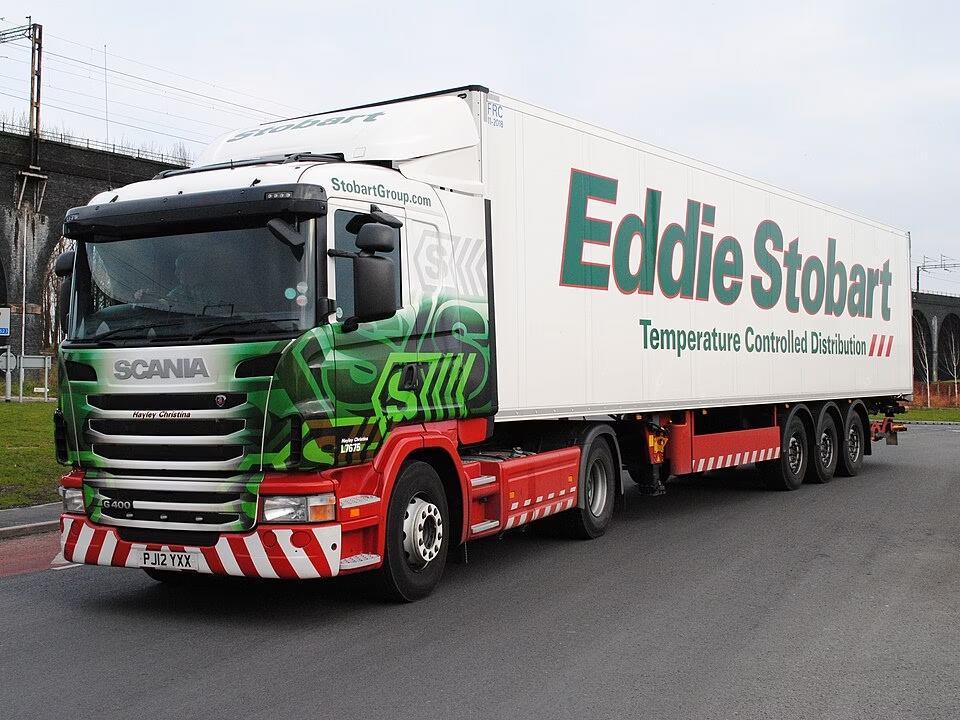
Temperature-controlled transportation-often referred to as cold chain logistics – is a strategic capability for logistics professionals managing perishable, pharmaceutical, or high-value biologic shipments. Innovations in digital technology, advanced materials, and sustainability are reshaping how temperature-sensitive goods are transported, tracked, and delivered with greater reliability and efficiency.
The Role of Technology in Modern Cold Chain Logistics
Cold chain logistics today relies on technology to improve visibility, reduce waste, and ensure compliance throughout the supply chain. These innovations not only help safeguard product integrity but also provide logistics teams with operational insights that support better decision-making and reduce costs.
Real-Time Monitoring with IoT
One of the most significant advancements in cold chain logistics is the adoption of IoT (Internet of Things) – enabled sensors. These sensors continuously track temperature, humidity, and location throughout transport, providing real-time data to logistics teams. With this level of visibility, teams can receive instant alerts if conditions go outside predefined thresholds, allowing them to take corrective action before spoilage occurs. Real-time monitoring systems also enhance traceability from origin to destination.
Predictive Analytics and AI
Artificial intelligence (AI) and machine learning are powering predictive analytics that help logistics providers reduce risks and optimize operations. AI systems analyze historical and live data to forecast potential issues – such as equipment failure or route disruptions – and recommend proactive measures. Route optimization algorithms powered by AI also enable logistics planners to reduce transit time, fuel consumption, and overall cost while maintaining strict temperature compliance.
Blockchain for Traceability and Compliance
Blockchain technology is gaining traction in cold chain logistics as a tool for secure, tamper-proof tracking and recording of shipment data. By storing temperature, location, and event information on a decentralized ledger, blockchain enhances transparency and ensures that all stakeholders—manufacturers, carriers, regulators—have access to a single verified source of truth. This improves trust, simplifies compliance reporting, and reduces disputes.
Physical and Sustainable Innovations
Beyond digital tools, cold chain logistics is also benefiting from advances in hardware and sustainability-oriented solutions that help improve performance and reduce environmental impact.
Advanced Refrigeration and Packaging Solutions
Innovative refrigeration technologies—such as solar-assisted units and green refrigerants—are helping logistics providers reduce greenhouse gas emissions while maintaining tight temperature control. At the same time, advanced packaging materials like phase-change materials (PCMs) and vacuum-insulated panels provide enhanced thermal protection, supporting longer transit times with less energy use.
Automation and Robotics
Automated systems in cold storage facilities—such as robotic picking and loading—are improving operational speed and accuracy. Robotics help maintain optimal conditions for sensitive products while minimizing human error. Meanwhile, specialized temperature-controlled vehicles optimized for last-mile delivery are gaining adoption as e-commerce and direct-to-consumer demand increases worldwide.
Strategic Importance for Logistics Providers
For logistics professionals, embracing these technological and operational trends is essential to remain competitive and meet evolving customer expectations. Partnering with reliable temperature-controlled transport providers can enhance supply chain resilience and ensure consistent performance across all stages of shipment.
A strong example of such a partner is https://www.divinetrans.com/page/reliable-company-for-transportation-temperature-controlled-goods, a specialized service provider offering dependable, tech-enabled temperature-controlled transportation solutions designed to protect sensitive cargo and support logistics efficiency.
What’s Next for Temperature-Controlled Transportation
Looking ahead, the cold chain logistics sector is expected to further integrate digital and sustainable innovations:
-
Expanded use of AI and IoT for advanced predictive maintenance and route planning.
-
Greater sustainability focus, including renewable energy and non-harmful refrigerants.
-
Enhanced traceability through blockchain and data sharing.
-
Automation in storage and transportation systems to boost productivity and accuracy.
By aligning these innovations with strategic logistics operations, companies can reduce waste, improve delivery performance, and build resilient cold chain networks ready for future challenges.