

How Electric Trikes Are Changing Urban Transportation
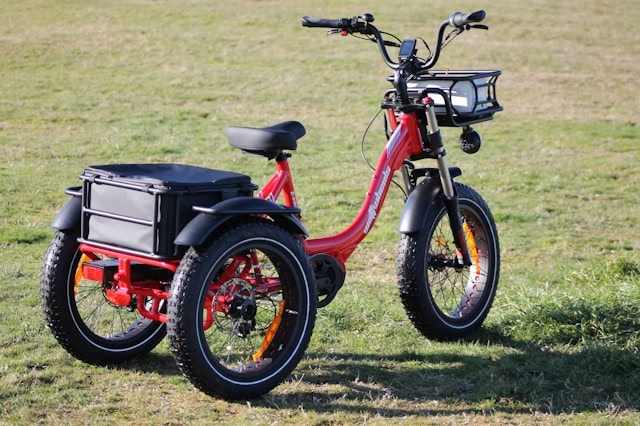
Urban transportation is undergoing a major transformation. Rising traffic congestion, increasing fuel costs, limited parking, and growing environmental concerns are pushing cities and commuters to seek smarter alternatives to traditional automobiles. Among the many innovative mobility solutions available today, electric tricycles, commonly known as electric trikes, are emerging as a practical, efficient, and accessible option.
Unlike traditional bicycles or electric bikes, electric trikes combine the stability of three wheels with the convenience of electric assistance. This unique combination makes them appealing to a wide range of riders, from daily commuters and seniors to small business owners and delivery services. As cities continue to prioritize sustainable transportation, electric trikes are playing an increasingly important role in shaping the future of urban mobility.
What Is an Electric Tricycle?
An electric tricycle is a three-wheeled vehicle equipped with an electric motor and rechargeable battery. Riders can pedal manually, use pedal assistance, or rely on throttle-powered operation depending on the model.
The three-wheel design offers greater balance and stability than a traditional two-wheel bicycle. Many electric trikes also feature large cargo baskets, comfortable seating, and step-through frames, making them practical for everyday transportation.
As battery technology continues to improve, modern electric trikes can travel longer distances, carry heavier loads, and navigate urban environments with ease.
Why Cities Need Alternative Transportation Solutions
Urban populations continue to grow, placing increasing pressure on transportation infrastructure. Roads designed decades ago are struggling to accommodate today’s traffic volumes.
Traffic Congestion
In many metropolitan areas, commuters spend hours each week sitting in traffic. Congestion not only wastes time but also increases fuel consumption and vehicle emissions.
Electric trikes offer a solution by occupying significantly less road space than cars. They can often utilize bike lanes and alternative routes, allowing riders to bypass congested streets.
Parking Challenges
Finding affordable parking in cities has become increasingly difficult. Parking garages and street spaces are often limited and expensive.
Electric trikes require only a fraction of the parking space needed for automobiles. Many models can be parked in bicycle areas or compact storage spaces, reducing one of the most common frustrations of urban commuting.
Environmental Concerns
Transportation remains a major contributor to greenhouse gas emissions worldwide. As governments implement sustainability initiatives, electric mobility options are becoming increasingly important.
Electric trikes produce zero direct emissions during operation and consume significantly less energy than cars, making them a more environmentally friendly transportation choice.
How Electric Trikes Improve Urban Mobility
Accessibility for More Riders
One of the biggest advantages of electric trikes is accessibility. Traditional bicycles can be intimidating for individuals who struggle with balance, mobility limitations, or confidence on two wheels.
The stable three-wheel design allows more people to enjoy cycling, including seniors, individuals recovering from injuries, and riders who simply prefer added security.
This inclusivity helps expand access to sustainable transportation across a broader segment of the population.
Comfortable Daily Commuting
Electric trikes are designed with comfort in mind. Many models feature upright seating positions, ergonomic handlebars, suspension systems, and wide saddles.
The electric motor reduces physical exertion, making it easier to commute to work, run errands, or travel across town without arriving exhausted.
For urban residents who live within a few miles of their destination, electric trikes provide a practical alternative to driving.
Reduced Transportation Costs
Owning and operating a car can be expensive. Fuel, insurance, maintenance, registration fees, and parking costs add up quickly.
Electric trikes offer significantly lower operating costs. Charging a battery typically costs only a small fraction of what it takes to fuel a car. Maintenance requirements are also generally lower due to fewer complex mechanical systems.
For many households, replacing even a portion of car trips with an electric trike can lead to substantial savings over time.
Supporting Sustainable Cities
Lower Carbon Footprint
As cities work toward climate goals, reducing vehicle emissions has become a priority.
Electric trikes contribute to cleaner air by replacing short car trips that would otherwise generate emissions. Since many urban journeys are less than five miles, electric trikes can effectively handle a large percentage of daily transportation needs.
Reduced Noise Pollution
Traffic noise is a growing concern in densely populated cities. Cars, motorcycles, and delivery vehicles contribute to constant urban noise.
Electric trikes operate quietly, helping create more pleasant and livable city environments.
Less Road Wear
Because electric trikes are lightweight compared to automobiles, they place far less stress on roads and infrastructure. Over time, this can contribute to lower maintenance costs for municipalities.
Electric Trikes and Urban Deliveries
A Growing Solution for Last-Mile Delivery
The rise of e-commerce has increased demand for efficient last-mile delivery solutions. Delivering packages in crowded city centers can be costly and time-consuming when using traditional vehicles.
Electric cargo trikes offer an attractive alternative. Their compact size allows them to navigate narrow streets, bike lanes, and congested areas more efficiently than vans or trucks.
Lower Operating Costs for Businesses
Businesses using electric cargo trikes can reduce fuel expenses, maintenance costs, and parking fees.
For food delivery services, local retailers, and courier companies, electric trikes provide a cost-effective way to complete short-distance deliveries while reducing environmental impact.
Improved Urban Logistics
As cities implement low-emission zones and congestion charges, electric trikes are becoming valuable tools for urban logistics networks.
Many businesses are integrating electric trikes into their fleets to improve delivery efficiency while meeting sustainability goals.
The Role of Technology in Modern Electric Trikes
Electric tricycles have benefited significantly from advancements in technology.
Better Batteries
Modern lithium-ion batteries offer longer ranges, faster charging times, and improved durability. Many electric trikes can travel 30 to 60 miles on a single charge, depending on terrain and riding conditions.
Smart Features
Many new models include integrated displays, GPS navigation, smartphone connectivity, and battery management systems.
These features enhance convenience and allow riders to monitor performance, track routes, and optimize battery usage.
Improved Safety Systems
Manufacturers continue to introduce safety improvements such as hydraulic disc brakes, integrated lighting systems, turn signals, and enhanced visibility features.
These innovations make electric trikes even more suitable for urban transportation.
Challenges Facing Electric Trike Adoption
Despite their many benefits, electric trikes still face certain challenges.
Infrastructure remains one of the biggest obstacles. Not all cities have extensive bike lane networks or secure parking facilities.
Initial purchase prices can also be higher than those of traditional bicycles. However, many riders find that long-term savings on transportation costs offset the initial investment.
Public awareness is another factor. As more people become familiar with electric trikes and their capabilities, adoption rates are likely to continue increasing.
The Future of Urban Transportation
Electric trikes are well-positioned to become a key component of future urban mobility systems. As cities invest in cycling infrastructure, sustainability initiatives, and alternative transportation networks, demand for practical and efficient vehicles will continue to grow.
Their combination of stability, affordability, accessibility, and environmental benefits makes them an attractive solution for commuters, businesses, and municipalities alike.
Conclusion
Electric trikes are transforming urban transportation by providing a practical alternative to cars for many everyday trips. They reduce congestion, lower transportation costs, support environmental goals, and make cycling accessible to a wider range of people.
Whether used for commuting, errands, recreation, or commercial deliveries, electric trikes offer a flexible and sustainable mobility solution for modern cities. As technology advances and infrastructure improves, their role in urban transportation is likely to become even more significant in the years ahead.