

What to Consider Before Starting a Classic Car Restoration
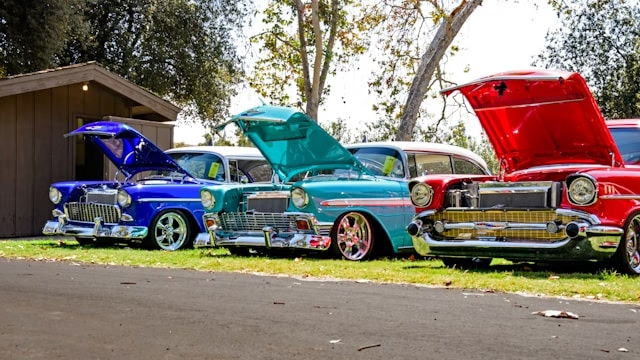
Restoring a classic car can be one of the most rewarding projects for an automotive enthusiast. Restoring a classic car can be one of the most rewarding projects for an automotive enthusiast. Before starting a classic car restoration, it’s important to understand the scope of the work. Taking a vehicle that has spent years deteriorating in a garage, barn, or driveway and gradually returning it to its former glory offers an opportunity to preserve a small piece of motoring history.
It can also become a much larger undertaking than expected. Rust hidden beneath body panels, difficult-to-find components, mechanical problems, and previous repairs can quickly turn a seemingly straightforward restoration into a long-term project.
Decide What You Want From the Finished Car
Not every restoration needs to have the same objective. Some owners want a vehicle that looks exactly as it did when it left the factory, some want DIY car kits to create their own classic car from scratch, while others simply want a reliable classic they can enjoy on weekends. Motorsport enthusiasts may have an entirely different goal, particularly if they are restoring a model with a history in racing or rallying.
Assess the Car Before Taking It Apart
A complete inspection should come before the first major piece of dismantling. Rust deserves particular attention. Corrosion around structural areas can turn an affordable project into an expensive one, and the damage visible on the surface may only be a small indication of what lies underneath. Floors, wheel arches, sills, suspension mounting points, and the underside of the vehicle all warrant close inspection.
The engine, transmission, braking system, suspension, wiring, interior, glass, and exterior trim should also be assessed. Creating a detailed record of the car’s condition will help you understand which parts can be restored and which will need to be replaced.
Set a Realistic Budget
The purchase price of a project car is only the beginning. Replacement components, specialist labor, tools, engine work, upholstery, body repairs, paint, tires, and countless smaller items can quickly add up. Even seemingly insignificant pieces of trim or model-specific fasteners can become surprisingly expensive when they are rare.
Build some flexibility into your budget for unexpected discoveries. Once a vehicle has been stripped, previously concealed rust or poorly executed repairs may become apparent.
Research Parts Availability
Before committing to a rare classic, investigate how easy it is to source components for it. Popular classics often benefit from active owners’ clubs, specialist suppliers, reproduction components, and a healthy market for used parts. More obscure models can be considerably more difficult.
This does not mean a rare vehicle should be avoided, but you need to know what you are getting into. If essential body panels, engine components, or pieces of trim have not been manufactured for decades, restoration may involve refurbishing existing parts or having replacements fabricated.
Think Carefully About Bodywork and Paint
Exterior restoration is one of the stages where careful planning can make a major difference. Simply applying new color over an imperfect surface will not produce a convincing restoration. Corrosion, dents, old repairs, and deteriorating previous coatings need to be dealt with before the final finish is applied.
The products used throughout the refinishing process matter as well. Specialist automotive paint suppliers such as nebulapaintproducts.uk offer products for different stages of automotive refinishing, from primers and basecoats to clear coats and associated materials.
This is also the point at which owners need to decide how closely they want to follow the car’s original specification. Returning a vehicle to its factory color can contribute to an authentic restoration, particularly on historically significant cars. A custom color, meanwhile, provides more scope for individual expression. Neither approach is automatically right or wrong; it depends on what you want the finished vehicle to represent.
Consider How Much Work You Can Do Yourself
Restoring a classic is an opportunity to develop a remarkable range of practical skills, but knowing when to call a professional is equally important. Enthusiasts with mechanical experience may be comfortable rebuilding suspension, servicing brakes, replacing components, and carrying out routine engine work. Other jobs require specialist knowledge, equipment, or safety precautions. Complex welding, structural repairs, engine machining, electrical work, and professional refinishing are examples of areas where specialist help may be worthwhile.
Preserve Originality Where It Matters
One of the most difficult restoration decisions is determining what should be replaced and what should be preserved. A worn original component can sometimes contribute more to a historic car’s character and value than a pristine reproduction. Original badges, trim, upholstery, engine components, and even sections of aged paint can be significant depending on the vehicle.
Featured Photo by Mark Duffel on Unsplash