

Cleaning Techniques That Help Protect Your Car's Paint
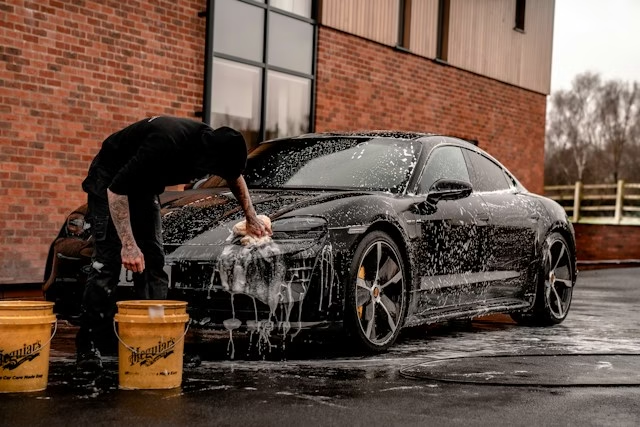
Could the way you wash your car be slowly harming its shine? Dirt, dust, road film, and rough washing tools can leave tiny marks on painted surfaces. Good car paint protection starts with simple, careful cleaning habits that remove grime without rubbing it across the finish.
The right car wash methods, microfiber towels, safe cleaners, and drying steps can help your vehicle stay smooth and bright. You do not need many costly services to care for your paint. By reading this guide, you will learn easy cleaning techniques that help protect your car’s paint and keep its finish looking fresh.
Start With A Gentle Rinse
Before touching the paint, rinse the whole car with clean water. This first step helps loosen dust, sand, and loose dirt that could scratch the finish during washing. Pay close attention to lower panels, wheel areas, and places where road grime builds up.
Use a steady stream of water rather than a hard spray held close to the paint. A gentle rinse can lift loose soil while lowering the chance of pushing grit across the surface. If the car is very dirty, give it more time under the rinse before you bring out a wash mitt.
Choose Safe Car Cleaning Tools
A soft wash mitt or sponge made for cars is safer than rough cloths or old household rags. Microfiber towels are also useful because their soft fibers can pick up dirt with less risk of leaving fine marks. Keep separate tools for the paint, wheels, and tires so brake dust and heavy grime do not spread to clean areas.
Clean tools are just as important as good tools. Rinse your mitt often and replace towels that are worn, dirty, or rough to the touch. For more tips on choosing and using microfiber towels for car care, explore Willer Time for helpful guidance on keeping your vehicle clean.
Use The Right Car Wash Soap
Dish soap may seem like an easy choice, but a car wash soap made for vehicle finishes is a better option. Car wash soap is designed to clean road film and dirt while being gentle on common paint protection products. Use the amount recommended on the label, since more soap does not always mean a better clean.
Work in small areas and keep the surface wet while you wash. Start at the roof and upper panels, then move toward the dirtier lower parts of the car. Rinse the mitt often so trapped grit does not stay against the paint.
Wash In The Right Way
Use light pressure when cleaning painted surfaces. Let the wash mitt and soapy water do most of the work instead of pressing hard on stuck dirt. If a mark does not come off with gentle washing, rinse the area again and use a cleaner made for that type of spot.
Avoid circular scrubbing because repeated rubbing can make fine marks more noticeable in bright light. Straight, gentle passes can help keep dirt moving away from the surface. Wash one section at a time, and rinse it before the soap dries.
Dry Your Car Without Scratches
Drying is part of safe car care because water left on the paint can dry into spots. Use a clean, soft microfiber drying towel and gently lay it on the surface instead of dragging it with force. A clean towel also helps prevent dust or grit from being rubbed into the finish.
If the towel becomes wet or dirty, switch to a fresh one. Do not use old bath towels, paper products, or rough cloths on painted areas because they may leave marks or lint. Dry hidden edges, mirrors, handles, and trim as well so trapped water does not run onto clean panels later.
Remove Stains With Care
Bird droppings, tree sap, bugs, and road film should be removed as soon as you can. These substances can stick to paint and may become harder to clean when they dry or sit for a long time. Soften the spot with water or a safe car cleaning product before wiping it away.
Never scrape a dried stain with a hard tool or your fingernail. Let the cleaner loosen the material, then use a soft microfiber towel with light pressure. For stubborn marks, repeat the process rather than trying to remove them with one hard wipe.
Build Car Paint Protection After Washing
A clean surface is easier to protect with wax, sealant, or another paint care product. They work best when the surface is clean and dry after washing. They can add a layer that helps water beading and may make future cleaning easier between washes and regular car care over time, too. Follow the product directions before applying them.
Regular washing also supports long-term paint protection. It keeps the finish cleaner between deeper care sessions and makes surface checks much easier. Dirt that stays on the surface can hold moisture and other road grime against the finish, while a simple cleaning routine helps you spot stains, dull areas, and small paint problems before they become harder to manage.
Keep A Simple Cleaning Routine
You do not need to wash your car every day to protect its paint. Wash it when dirt, dust, bird droppings, or road film builds up, and give extra care after long trips or heavy exposure to grime. Cleaning sooner can make the job easier because fresh dirt is usually less difficult to remove.
Choose a shaded place when possible, especially on hot days. A cooler surface gives you more time to rinse and dry before water or soap leaves spots. With clean tools, gentle pressure, and regular care, your car can keep a bright finish for longer.
Keep Your Car Looking Its Best
Good car paint protection begins with careful cleaning, not hard scrubbing or costly products. Rinse away loose dirt first, use car-safe soap and clean microfiber towels, and dry the finish with light pressure. Quick action on bird droppings, sap, and bugs can also help prevent stains and surface damage.
A simple wash routine makes paint care easier and helps your car look clean between detailing sessions. These habits can reduce scratches, water spots, and grime while keeping the finish smooth longer.
Did this guide help you? Browse the rest of this section for more advice on a variety of topics.
Featured Photo by Brad Starkey on Unsplash