

Dashboard Warning Lights Every Driver Should Know Before a Long Drive
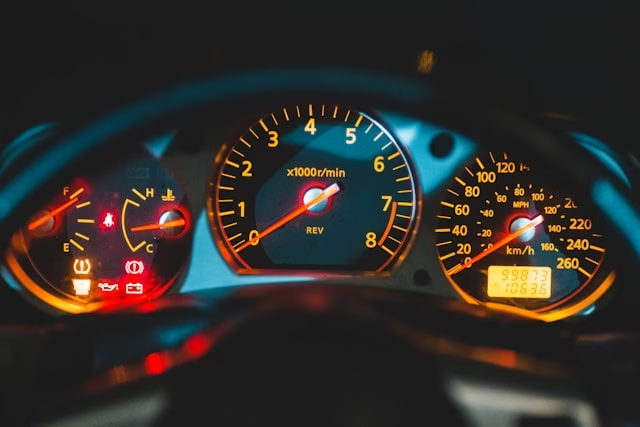
That sudden, unfamiliar symbol glowing on your dashboard can cause a moment of panic. Is it serious? Can you keep driving? Your car’s dashboard is its primary way of communicating with you, and understanding its language is crucial for safety and avoiding costly repairs. These lights aren’t just for decoration; they are vital health monitors for your vehicle. Whether you’re commuting to work or heading to a track day, understanding what your dashboard is telling you can help prevent minor issues from turning into major mechanical problems.
More Than Just a Pretty Glow
Dashboard warning lights generally follow a traffic light color scheme that indicates urgency. Green or blue lights typically show a system is active, like your high beams or cruise control. Yellow or orange lights signal a potential issue that needs to be checked soon. Red lights, however, demand your immediate attention. Understanding common car light meanings is a key part of responsible vehicle ownership. While symbols can vary slightly between manufacturers, this color-coded system is a reliable first step in assessing the situation.
Know Your Critical Indicators
Red warning lights often point to a problem that could cause serious damage if ignored. Two of the most critical are the oil pressure warning and the engine temperature light. The oil pressure light, which looks like an old-fashioned oil can, means your engine is losing lubrication. Continuing to drive could lead to catastrophic engine failure. Similarly, the engine temperature light, resembling a thermometer in liquid, indicates the engine is overheating. This can cause warped cylinders and a blown head gasket. In either case, the safest move is to pull over as soon as it’s safe and turn off the engine. These are two of the most important dashboard warning lights to recognize instantly.
Don’t Ignore the Small Stuff
Yellow or orange lights are less dire than red ones, but they shouldn’t be disregarded. The most common is the check engine light. This versatile indicator can signal anything from a loose gas cap to a failing catalytic converter. While you don’t need to pull over immediately, you should have the vehicle scanned by a mechanic to diagnose the code. Other common amber lights include the Tire Pressure Monitoring System (TPMS) symbol, which means one or more of your tires is low on air, and the Anti-lock Braking System (ABS) light, indicating a fault in that system. Your regular brakes will still work, but the anti-lock feature will be disabled.
Immediate Action Signals
Certain lights mean “stop now.” The brake system warning light, often an exclamation point inside a circle, is a prime example. It could mean your parking brake is on, but if it stays lit after the brake is disengaged, it signifies a serious problem with your braking system, like a loss of hydraulic fluid. Do not drive a car with a persistent brake warning light. Another critical indicator is the battery or charging system light. This symbol, shaped like a car battery, means the electrical system is no longer being charged. Your car is running only on battery power and will shut down once that power is depleted, potentially leaving you stranded without warning. Being able to identify these car warning light symbols can prevent a dangerous situation.
Preventative Care for Your Car
The best way to deal with warning lights is to prevent them from coming on in the first place. Sticking to your vehicle’s recommended maintenance schedule is the most effective strategy. Regular oil changes help prevent lubrication issues, while routine inspections can catch problems with the cooling system, brakes, and tires before they become severe. Periodically checking your tire pressure yourself can help avoid the TPMS light and ensure better fuel economy and handling. Listening to your car and paying attention to any new noises, smells, or changes in performance can also alert you to a developing issue long before a light appears on the dashboard.
Knowing what your car is trying to tell you transforms a moment of stress into a manageable action plan. Familiarize yourself with the main symbols in your owner’s manual so you’re prepared the next time a light flickers to life.
Featured Image Credit: Unsplash