From Live Timing to Race Predictions: How Motorsport Fans Use Mobile Apps
There’s far more going on in a motor race than the television cameras can show us. A driver can lose two tenths in one sector, but gain them back elsewhere in the lap. He might drop places in traffic, but gain ground back by means of an unscheduled stop. These subtle elements often decide the outcome of a race.
Mobile apps can show fans much of this through live timing, race predictions, and information about different strategies. Fans can gain much more insight into what is going on than the images broadcast by TV.
Live Timing Data Brings Fans Onto the Pit Wall
Not long ago, detailed timing information was something racing teams guarded closely. Spectators knew who was leading and who had set the fastest lap, but much of the story unfolding between those moments remained hidden.
Today, official motorsport applications provide sector times, lap comparisons, and changing gaps between drivers. During a Formula 1 race, supporters can follow a teammate closing in or identify where a driver is losing valuable tenths.
And that’s where live timing becomes interesting. A driver running fifth might be catching fourth at an alarming rate while the broadcast concentrates elsewhere. The timing screen tells another story, sometimes before the television director notices.
That kind of information can also be useful when looking at race predictions. Fans checking markets through a mobile betting app can compare those predictions with the gaps and lap times shown in official timing apps. A driver closing in quickly might change expectations, although there’s no guarantee they’ll make the pass.
For easier comparison of drivers, their progress can be viewed in live leaderboards, also by sector and with information on changing gaps on mobile apps. Many platforms also enable followers of their favorite driver to keep a special eye on their battles, with the relevant information available via the fan’s mobile betting app.
Strategy Simulators Turn Fans Into Pit Engineers
A driver pulls into the pits earlier than expected. Maybe the tyres are wearing out, or the team is trying to get ahead of another car. Fans watching the race don’t always know why the call was made, especially when the driver appeared to be doing fine.
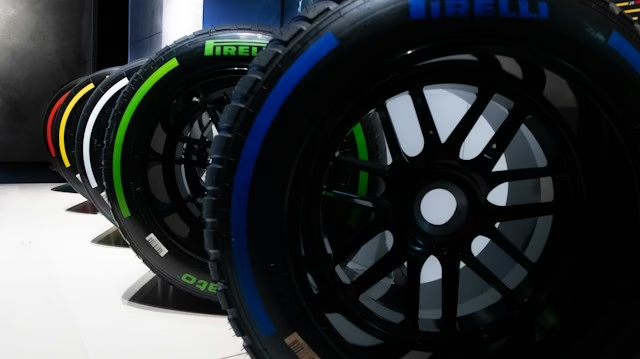
Strategy simulators give fans a way to look at different decisions a team could have made. The calculations can include tyre wear, fuel loads, time lost during a pit stop, and track conditions. Change one of these details and the result might be different. That’s why two drivers in similar positions don’t always follow the same race strategies.
What if the driver stayed out another five laps? Would an earlier stop have avoided traffic? Could a rival respond without sacrificing track position? These are familiar questions for race engineers, although fans rarely have access to the same depth of information.
Of course, calculations can unravel quickly. A safety car, unexpected rain, or slower traffic can turn a promising strategy into a frustrating afternoon. Still, examining the alternatives makes the tactical side of racing more accessible. Not every unusual pit call is a mistake.
Some mobile strategy tools let fans change the details themselves. They might try moving a pit stop a few laps earlier or selecting a different tyre. Traffic is another thing to consider, since a driver can lose time after returning to the track. The results won’t always match what happens in a real race, but fans can try several approaches and see where the differences come from.
Predictive Models Forecast Race Outcomes
Qualifying results have always been a big part of predicting a motor race. Starting near the front usually helps, although it doesn’t tell the whole story. Teams also have different records at particular circuits, and a driver who was quick in practice might struggle once the race gets underway.
Historical performance, starting positions, recent lap times, tyre condition, and weather forecasts help inform race predictions. The Data Driver’s F1 prediction methodology combines these factors with circuit history and safety car probabilities to simulate potential outcomes. Other models may use different approaches.
A driver struggling with tyre degradation might see their projected finishing position worsen. Then rain appears on the forecast, or a safety car changes the strategic picture. The calculations shift again, sometimes dramatically.
That’s worth remembering when interpreting race predictions. They’re estimates built around available evidence, not advance knowledge of the result. Mechanical failures, collisions, and unexpected decisions remain stubbornly difficult to anticipate. The interesting part isn’t necessarily whether a model gets the finishing order right. It’s seeing how changing conditions alter the possibilities.
Fans following predictions on their phones can go back and check how the estimates compare with what’s happening on track. Some services update their figures during the race, while others keep the original forecast available. A driver might have been expected to finish near the front, then lose several places during a pit stop. Looking back at the prediction shows how far things have moved from the earlier expectations.
Community Features Fuel Shared Race Analysis
Ask motorsport supporters whether a team made the correct pit-stop decision and you’ll rarely get a unanimous answer. That’s half the attraction. Racing leaves plenty of room for interpretation.
Fans have these arguments online while the race is still going on. Someone might post about a pit-stop decision, and others will have their own ideas about what the team should have done. There are also official features to explore. F1 Unlocked, for example, offers interviews, behind-the-scenes content, and interactive games for Formula 1 followers.
One supporter might notice an emerging tyre advantage through live timing. Someone else has been watching the weather radar, while another points out traffic that could complicate the next pit stop. None necessarily has the complete picture. Mobile communities give fans somewhere to share what they’ve noticed while the race is still unfolding.
The arguments can carry on long after the race has finished. A penalty might still be debated the next morning, especially if it changed the finishing order. Fans can also spend days going over a team’s pit-stop decisions or looking at something unusual in the timing data. There’s usually plenty left to discuss once the cars are back in the garage.
Motorsport Viewing Has Entered a Different Era
Watching motorsport is quite different when fans have their phones beside them. They don’t have to rely on the television cameras for every update. If a driver disappears from the broadcast, the timing screen can still show where they are and whether they’re making up ground.
There are also apps that help fans look at race strategies and predictions. Some people might spend most of a race checking lap times, while others are more interested in pit stops or what other supporters are saying. Much of that information used to be difficult for ordinary fans to follow.
The teams still know far more about their cars than anyone watching at home. Even so, it’s much easier now to follow what’s happening elsewhere on the circuit, especially when the television coverage is concentrating on the leaders.
Featured Photo by Niels Baars on Unsplash