

Reasons Why 2-Way Radios are Essential for Motorcycle Rides
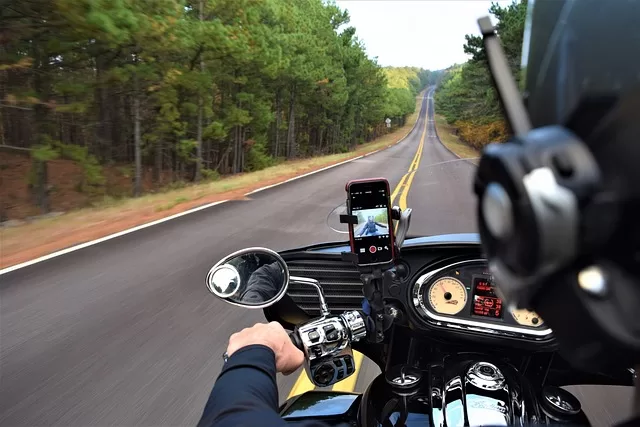
Motorcycle riding is an exhilarating and freeing experience, but sometimes, it can also present unique challenges when it comes to communication. Riding in a group or with a passenger requires effective communication to ensure safety, coordination, and an enjoyable riding experience. This is where 2-way radios come in. These compact and reliable communication devices offer several benefits that make them essential for motorcycle rides. This article will explore why 2-way radios are crucial for motorcycle enthusiasts.
Real-Time Communication
One of the primary reasons why 2-way radios are essential for motorcycle rides is their ability to provide real-time communication between riders. Unlike cell phones, which can be cumbersome and unsafe while riding, 2-way radios offer instant, hands-free communication. With the push of a button, motorcycle riders can communicate with one another without the need to stop or fumble with their devices. This allows for quick and efficient communication, enhancing safety and coordination on the road.
You can opt for a Push-to-Talk Over Cellular (PoC) radio that connects riders over cellular networks, eliminating the need for separate frequencies or channels. In this case, with POC radio, you can communicate with riders even if they are far away or outside the range of traditional radio signals. Real-time communication is crucial for addressing immediate concerns or emergencies during a motorcycle ride.
Enhanced Safety
Safety is of utmost importance when it comes to motorcycle riding. 2-way radios play a vital role in ensuring the safety of riders by enabling them to communicate potential hazards, road conditions, or any other unforeseen circumstances. Riders can alert each other about upcoming obstacles, changes in traffic patterns, or sudden weather changes, allowing everyone in the group to react promptly and make necessary adjustments. This real-time communication helps to create a safer riding environment for all participants.
Group Coordination
Riding in a group can be a fun and social experience, but it also requires effective coordination. 2-way radios allow riders to stay connected and coordinated, even when spread out over a long distance. Group leaders can provide directions, relay important information, or make quick changes to the route if needed. This level of coordination ensures that everyone in the group stays together and avoids getting separated, reducing the risk of accidents or confusion. In case of unexpected detours or road closures, the group can quickly adjust their plans and communicate the changes to all riders, ensuring everyone stays on the same page. This level of coordination enhances the overall riding experience and promotes a sense of unity and camaraderie among group members.
Furthermore, 2-way radios can be a valuable tool for riders to stay connected with other vehicles on the road, such as support vehicles or tour guides. This is particularly useful during organized motorcycle tours or group rides where coordination with other vehicles is necessary. Riders can communicate with support vehicles to request assistance, report any issues, or simply maintain the overall flow and cohesion of the group. Staying connected with support vehicles adds a layer of safety and convenience, ensuring that riders can access necessary resources and assistance throughout the journey.
Emergency Situations
Unfortunately, accidents or emergencies can occur during motorcycle rides. In such situations, having a reliable means of communication is crucial. 2-way radios provide a direct line of communication that can be used to call for help, alert other riders about an emergency, or provide first aid instructions if necessary. This immediate access to contact can make a significant difference in getting timely assistance and potentially saving lives.
Convenience and Efficiency
Compared to other communication devices, such as cell phones, 2-way radios offer convenience and efficiency designed explicitly for motorcycle rides. They are compact, lightweight, and easily mounted on helmets or handlebars, ensuring that riders can keep their hands on the controls and focus on the road. Additionally, 2-way radios have longer battery life than cell phones, so riders can rely on them for extended periods without worrying about running out of power.
Noise Reduction Technology
Motorcycle riding can be noisy, especially at high speeds or in windy conditions. Traditional communication devices may struggle to overcome the background noise, making it difficult to hear and understand the transmitted messages. However, 2-way radios have noise reduction technology that filters out unwanted background noise, ensuring clear and crisp communication between riders. This feature is precious for maintaining effective communication in challenging riding environments.
2-way radios are essential for motorcycle rides due to their real-time communication capabilities, enhanced safety features, group coordination benefits, emergency response capabilities, convenience, efficiency, and noise reduction technology. These communication devices provide a reliable and efficient means of staying connected with other riders, ensuring safety, and enhancing the overall riding experience. Whether riding in a group or with a passenger, 2-way radios offer communication tools to make motorcycle rides safer, more enjoyable, and well-coordinated. Investing in a quality set of 2-way radios should be a priority for every motorcycle enthusiast.