

The Growing Demand for Recycled Precious Metals in the Automotive Sector
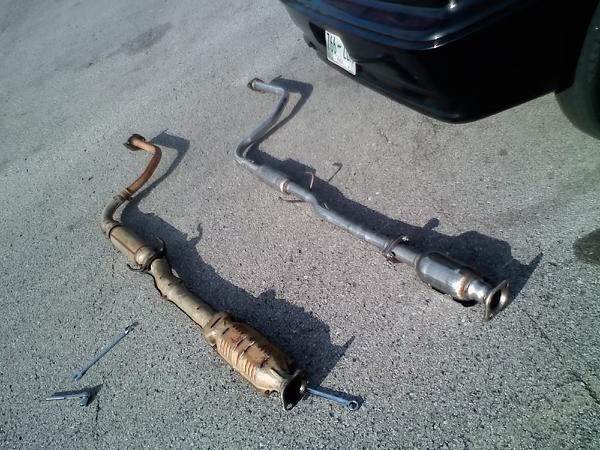
The automotive industry is undergoing a significant transformation as manufacturers, recyclers, and policymakers place greater emphasis on sustainability and resource efficiency. One of the most important developments is the growing demand for recycled precious metals, which play a critical role in modern vehicle production and emissions control technologies.
Precious metals such as platinum, palladium, and rhodium are essential components in catalytic converters. These materials help reduce harmful vehicle emissions by converting toxic gases into less harmful substances before they are released into the atmosphere. However, mining and processing precious metals require substantial resources and can have a significant environmental impact. As a result, recovering these metals from end-of-life vehicles has become increasingly important.
This trend has created new opportunities for automotive recycling businesses and specialized catalytic converter recyclers, which play a key role in extracting valuable materials from used components. By processing and refining spent catalytic converters, recyclers help return critical metals to the supply chain while reducing the need for new mining operations.
Why Demand Continues to Grow
Several factors are driving the increased demand for recycled precious metals.
First, global vehicle production remains high, and automakers continue to require large quantities of platinum group metals for emission control systems. At the same time, environmental regulations in many countries are becoming stricter, increasing the need for effective catalytic technologies.
Second, the supply of newly mined precious metals is often subject to geopolitical risks, production limitations, and market volatility. These challenges can lead to significant price fluctuations, making recycled materials an attractive and reliable alternative source.
Finally, many manufacturers are actively pursuing sustainability goals. Incorporating recycled materials into production processes helps companies reduce their environmental footprint and meet growing consumer expectations regarding responsible sourcing.
The Economic Value of Automotive Recycling
The recovery of precious metals from automotive components has become one of the most valuable segments of the recycling industry. Unlike many other recyclable materials, platinum, palladium, and rhodium can retain substantial value even after years of use in a vehicle.
Advanced analytical technologies now allow recyclers to accurately identify and assess the metal content of catalytic converters. This has improved transparency throughout the market and created more efficient pricing mechanisms for both sellers and buyers.
As a result, automotive recycling is no longer viewed solely as a waste management activity. It has evolved into a sophisticated industry that supports global supply chains and contributes to the circular economy.
Looking Ahead
The demand for recycled precious metals is expected to continue growing in the coming years. While electric vehicles are gaining market share, millions of internal combustion and hybrid vehicles will remain on the road for decades, ensuring ongoing demand for catalytic converter recycling and precious metal recovery.
Businesses that participate in responsible recycling practices will play an increasingly important role in securing critical raw materials for future industries. By supporting the recovery and reuse of valuable resources, the automotive sector can reduce environmental impact while creating long-term economic value.
As sustainability becomes a central priority worldwide, recycled precious metals will remain a cornerstone of a more resilient and resource-efficient automotive industry.