

What Are the Different Types of Hunting Bikes? A Complete Guide
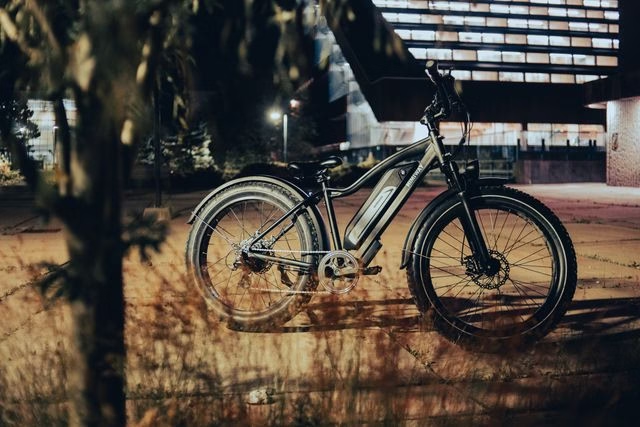
Hunting bikes have become an essential tool for outdoor enthusiasts who want to travel farther, carry more equipment, and reduce the physical effort required to reach hunting locations. Unlike traditional mountain bikes, hunting bikes are specifically designed to handle rugged terrain while supporting heavier loads such as backpacks, tree stands, game trailers, and hunting equipment. Whether you hunt with an air gun, compound bow, or firearm, choosing the right hunting bike can improve both your mobility and your overall hunting experience.
Different hunting environments require different types of bikes. A bike that performs well on snowy trails may not be the best choice for steep mountain terrain, while a lightweight hardtail may not have enough cargo capacity for extended backcountry hunts. This guide explores the different types of hunting bikes, their advantages, and the situations where each one performs best.
What Is a Hunting Bike?
A hunting bike is an off-road bicycle designed to help hunters travel quietly and efficiently through forests, mountains, fields, and other natural environments. Many hunting bikes are electric, providing pedal assistance or throttle power that makes climbing hills and carrying heavy equipment much easier than riding a traditional bicycle. Their durable frames, wide tires, and cargo-carrying capabilities make them suitable for demanding outdoor conditions.
One of the biggest advantages of a hunting bike is its ability to reduce noise. Unlike ATVs or other motorized vehicles, electric hunting bikes produce very little sound, allowing hunters to approach their hunting area without disturbing wildlife. This quiet operation is especially beneficial for hunters carrying sensitive equipment such as an air gun, where stealth often plays an important role in a successful hunt.
Why Hunters Are Choosing Hunting Bikes
Modern hunters are increasingly turning to hunting bikes because they combine efficiency with convenience. Riding a bike allows hunters to cover greater distances while conserving energy for tracking, stalking, and retrieving game. It also enables access to narrow trails and remote areas that larger vehicles cannot reach.
Many public hunting lands also restrict the use of motorized vehicles, making hunting bikes a practical alternative. With the addition of cargo racks or trailers, hunters can transport everything from camping equipment to harvested game without excessive physical strain.
Electric Hunting Bikes
Electric hunting bikes have become the most widely used type of hunting bike because they combine traditional cycling with electric motor assistance. Powered by rechargeable lithium-ion batteries, these bikes typically feature motors ranging from 750 to 1,000 watts or more, providing enough power to climb steep hills and navigate rough trails while carrying heavy gear.
The electric motor helps reduce rider fatigue, making it possible to travel several miles into the backcountry before the hunt even begins. Many models offer multiple levels of pedal assistance, allowing riders to balance battery life with the amount of support they need.
One of the greatest advantages of an electric hunting bike is its nearly silent operation. Wildlife is much less likely to be disturbed by an electric motor than by the sound of an ATV or truck, giving hunters a better chance of approaching game undetected.
Electric hunting bikes also make it easier to transport heavy equipment, including backpacks, tree stands, camping supplies, and an air gun secured with a specialized bike mount. Because the rider expends less energy reaching the hunting area, they often arrive feeling fresher and more focused.
Electric hunting bikes are well suited for deer hunting, elk hunting, hog hunting, and long-distance scouting trips where riders need to travel significant distances over mixed terrain.
Fat Tire Hunting Bikes
Fat tire hunting bikes are designed with oversized tires that typically measure between four and five inches wide. These large tires create a broader contact area with the ground, improving stability and traction on loose or uneven surfaces.
Hunters frequently encounter difficult terrain such as mud, snow, loose gravel, and sandy trails. Fat tires allow the bike to “float” over these surfaces instead of sinking, making them an excellent choice for backcountry adventures.
The wider tires absorb vibrations naturally, creating a smoother and more comfortable ride over roots, rocks, and uneven trails. This improved stability becomes particularly valuable when carrying heavy hunting gear or transporting an air gun through rough terrain.
Fat tire bikes also inspire greater confidence for less experienced riders because they offer excellent balance and control even under challenging conditions.
Although fat tire bikes excel in difficult environments, they are generally heavier than standard mountain bikes. Their wider tires also create more rolling resistance, which can slightly reduce efficiency when riding on paved roads or hard-packed trails.
Full Suspension Hunting Bikes
Full suspension hunting bikes feature both front and rear suspension systems that absorb impacts from rocks, roots, and uneven ground. This design significantly improves rider comfort during long off-road trips.
Hunters who frequently travel through mountainous terrain or technical trails often prefer full suspension because it helps maintain traction while reducing fatigue. The suspension allows both wheels to remain in contact with the ground, improving handling and stability.
Long hunting trips can be physically demanding, especially when carrying camping equipment, food, and an air gun. Full suspension reduces the amount of shock transferred to the rider’s body, making extended rides more comfortable.
The improved control also helps protect expensive hunting equipment from excessive vibration while riding across rocky terrain.
Full suspension hunting bikes typically cost more than hardtail models and require additional maintenance due to their more complex suspension systems. However, many hunters consider the improved comfort well worth the investment.
Hardtail Hunting Bikes
Hardtail hunting bikes feature front suspension but have a rigid rear frame. Their simpler design makes them lighter, easier to maintain, and generally more affordable than full suspension bikes.
Many hunters who primarily ride forest roads, gravel trails, or relatively smooth terrain find that hardtail bikes provide all the performance they need without the additional cost of rear suspension.
Hardtail bikes transfer pedaling power more efficiently because the rigid rear frame minimizes energy loss. They also contain fewer moving parts, reducing maintenance requirements and increasing long-term durability.
For hunters who carry moderate amounts of gear, including an air gun, binoculars, and a backpack, a hardtail hunting bike offers an excellent balance between performance and value.
Mid-Drive Hunting Bikes
Mid-drive hunting bikes place the electric motor near the bike’s crankset rather than inside one of the wheels. This design allows the motor to work together with the bike’s gears, producing greater torque and better climbing ability.
Hunters who regularly ride steep hills or mountainous terrain often prefer mid-drive systems because they provide consistent power even when carrying heavy cargo.
Because the motor uses the bike’s drivetrain, it operates more efficiently across varying terrain. This improved efficiency often results in longer battery life and better performance on difficult climbs.
When transporting camping supplies, trailers, or an air gun, the balanced weight distribution of a mid-drive system also improves overall bike handling.
Hub-Drive Hunting Bikes
Hub-drive hunting bikes place the electric motor inside the front or rear wheel. These systems are mechanically simpler than mid-drive motors, making them more affordable and easier to maintain.
Hub-drive bikes perform particularly well on relatively flat trails, open fields, and gentle rolling terrain where extreme climbing power is not required.
Hunters who are new to electric bikes or who primarily ride moderate terrain often find hub-drive systems to be an excellent entry point. They offer dependable performance while keeping purchase costs lower than many premium mid-drive models.
Cargo Hunting Bikes
Cargo hunting bikes are built with reinforced frames, heavy-duty racks, and compatibility with bike trailers. These features allow hunters to carry significantly more equipment than a standard hunting bike.
Many cargo hunting bikes can transport camping gear, coolers, tree stands, decoys, harvested game, and securely mounted air guns, making them ideal for multi-day hunting trips.
Every additional pound of equipment becomes more noticeable during long rides. A well-designed cargo hunting bike distributes weight evenly while maintaining stability, reducing rider fatigue and making transportation safer.
Hunters who routinely pack large amounts of equipment or retrieve harvested game often benefit greatly from investing in a dedicated cargo model.
Folding Hunting Bikes
Folding hunting bikes are designed for hunters who have limited storage space or frequently travel to different hunting locations. Their collapsible frames allow them to fit inside SUVs, pickup trucks, campers, or garages without requiring a bike rack.
Although folding hunting bikes may not match the cargo capacity of larger hunting models, they provide exceptional convenience for occasional hunters or those with limited storage. Many modern folding electric bikes still offer enough power and durability for light to moderate off-road hunting trips.
How to Choose the Right Hunting Bike
The best hunting bike depends on your preferred hunting environment and the equipment you carry. Hunters who regularly travel through snow or mud should prioritize fat tire models, while mountain hunters may benefit from a full suspension bike with a mid-drive motor. Those hunting on relatively smooth trails can often save money with a hardtail or hub-drive model.
It is also important to consider how much equipment you plan to transport. If your typical setup includes an air gun, backpack, game bags, and camping supplies, choose a bike with a high payload capacity and sturdy cargo racks. Battery range, motor power, suspension, and overall durability should all be evaluated before making a purchase.
Conclusion
There is no single hunting bike that is perfect for every hunter. Electric hunting bikes offer exceptional versatility, fat tire bikes excel on challenging terrain, full suspension models maximize comfort, and cargo bikes provide unmatched hauling capability. Hardtail and hub-drive bikes remain excellent choices for hunters seeking dependable performance at a more affordable price.
Whether you hunt with an air gun, bow, or traditional firearm, selecting the right hunting bike can help you travel farther, carry your equipment more comfortably, and conserve energy for the hunt itself. By carefully considering your terrain, riding distance, cargo requirements, and budget, you can choose a hunting bike that enhances your outdoor adventures for years to come.