

Seasonal Car Care Tips for Hot Summers and Cold Winters
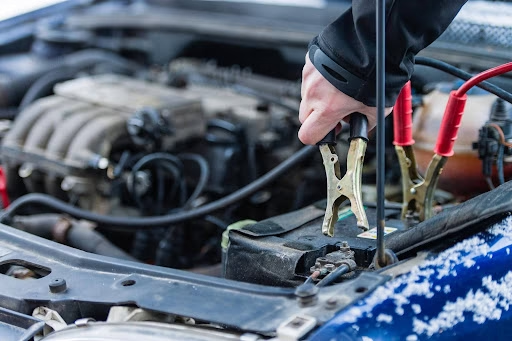
Image source: Dreamstime Stock Photos
Your car faces a different kind of battlefield each season. In summer, blazing pavement, intense sunlight, and overheating risks can slowly wear down critical components. In winter, freezing temperatures, road salt, snow, and icy conditions create an entirely different set of challenges. Treat your vehicle the same way you would a home before a storm season: prepare early, maintain consistently, and pay attention to warning signs before they become expensive repairs.
Seasonal car care is not just about keeping a vehicle looking clean and polished. It helps improve safety, extend the lifespan of important parts, protect resale value, and reduce the chances of unexpected breakdowns. Whether you drive daily for work, take long road trips, or simply use your vehicle for errands around town, understanding how weather affects your car can save money and frustration year-round.
Here are some practical seasonal car care tips for surviving both scorching summers and freezing winters while keeping your vehicle running smoothly.
Why Seasonal Car Maintenance Matters
Cars are built to handle changing weather conditions, but extreme temperatures still place stress on mechanical systems. Heat causes fluids to thin, batteries to weaken, and tires to expand. Cold weather thickens fluids, reduces tire pressure, strains batteries, and increases wear during startup.
Ignoring seasonal maintenance can lead to problems such as:
- Engine overheating
- Dead batteries
- Tire blowouts
- Reduced fuel efficiency
- Frozen components
- Brake issues
- Corrosion from road salt
- Poor visibility during storms
Preventive maintenance is usually far less expensive than emergency repairs. A few simple inspections and adjustments each season can make a major difference in reliability.
Summer Car Care Tips
Summer driving may seem easier than winter driving, but high temperatures can quietly damage your vehicle over time. Long highway trips, stop-and-go traffic, and intense sun exposure all contribute to wear and tear.
Check Your Cooling System
Your cooling system becomes the frontline defense against overheating during hot weather. Engines naturally produce tremendous heat, and summer temperatures add extra pressure.
Inspect the following:
- Coolant levels
- Radiator hoses
- Radiator cap
- Water pump
- Cooling fans
If coolant appears dirty or rusty, consider a coolant flush. Fresh coolant helps regulate engine temperature and prevents corrosion inside the system.
A small leak may not seem serious in cooler weather, but during summer it can quickly lead to overheating. Steam rising from the hood is never something to ignore.
Monitor Tire Pressure Carefully
Hot pavement and rising air temperatures can increase tire pressure rapidly. Overinflated tires may reduce traction and increase the risk of blowouts, especially during long-distance driving.
Check tire pressure at least once a month and before road trips. Use the manufacturer’s recommended PSI rather than the number listed on the tire itself.
Also inspect for:
- Uneven wear
- Cracks
- Bulges
- Low tread depth
Summer heat can accelerate tire deterioration, particularly on older tires.
Protect the Battery From Heat Damage
Many drivers associate battery failures with winter, but extreme heat can actually shorten battery life faster than cold weather. High temperatures can evaporate battery fluid and damage internal components.
Have your battery tested if:
- The engine cranks slowly
- Lights appear dim
- The battery is over three years old
Clean corrosion from battery terminals and ensure connections remain tight.
Test Your Air Conditioning System
Few things ruin a summer drive faster than weak air conditioning during triple-digit temperatures. If your AC struggles to cool the cabin, blows warm air, or produces strange smells, have it inspected before peak heat arrives.
Common causes include:
- Low refrigerant
- Worn compressors
- Leaking seals
- Dirty cabin air filters
A properly functioning AC system also improves comfort and driver focus during long trips.
Keep Fluids Fresh and Full
Summer heat stresses vehicle fluids. Engine oil, transmission fluid, brake fluid, and power steering fluid all help protect moving parts from excessive friction and heat buildup.
Check fluid levels regularly and look for discoloration or burnt smells. Following recommended service intervals becomes especially important during extreme weather conditions.
Protect Your Car’s Exterior From Sun Damage
Intense sunlight gradually fades paint, dries rubber trim, and cracks interior surfaces. Parking under shade whenever possible helps reduce damage from UV exposure.
Consider:
- Applying wax for paint protection
- Using windshield sunshades
- Cleaning bird droppings quickly
- Conditioning leather interiors
- Washing off dust and pollen regularly
A vehicle baking in direct sunlight day after day ages much faster than one protected from the elements.
Winter Car Care Tips
Winter introduces an entirely different challenge. Cold temperatures affect nearly every mechanical system in a vehicle. Snow, slush, and ice also create dangerous driving conditions that demand extra preparation.
Inspect Your Battery Before Cold Weather Hits
Cold weather reduces battery performance significantly. A weak battery that survives summer may fail completely during winter.
Before temperatures drop:
- Test battery voltage
- Clean battery terminals
- Check charging system performance
- Replace aging batteries proactively
If your vehicle struggles to start on chilly mornings, do not wait for a complete failure during freezing weather.
Switch to Winter-Appropriate Tires
Tires lose pressure as temperatures fall. Even a properly inflated tire in autumn may become underinflated during winter.
Check pressure frequently and inspect tread depth carefully. If you regularly drive through snow or ice, winter tires may improve traction and braking considerably.
Winter tires use rubber compounds designed to remain flexible in freezing temperatures, providing better grip than standard all-season tires.
Check Antifreeze and Coolant Protection
Coolant does more than prevent overheating. It also prevents freezing during cold weather.
Make sure your coolant mixture provides adequate freeze protection for your climate. Frozen coolant can crack engine components and lead to catastrophic damage.
If you are unsure about coolant condition, have it tested before winter arrives.
Replace Worn Wiper Blades
Snow, sleet, freezing rain, and road grime can make visibility terrible during winter driving. Worn wiper blades streak and smear moisture instead of clearing it.
Replace blades if they:
- Skip across the windshield
- Leave streaks
- Squeak loudly
- Show cracks or splitting
Winter wiper blades are designed to resist ice buildup and often perform better in snowy conditions.
Use Winter Washer Fluid
Standard windshield washer fluid may freeze during extremely cold temperatures. Winter-grade washer fluid contains additives designed to prevent freezing while helping remove road salt and grime.
Keep the reservoir topped off throughout winter.
Protect Against Road Salt Corrosion
Road salt helps melt ice but creates a corrosion nightmare for vehicles. Salt buildup gradually damages undercarriages, brake lines, suspension components, and body panels.
Wash your vehicle regularly during winter, especially underneath the car. Pay extra attention to:
- Wheel wells
- Undercarriage
- Door edges
- Rocker panels
Frequent washing helps remove salt before rust begins spreading.
Keep an Emergency Winter Kit
Winter weather can create unexpected delays or roadside emergencies. Keeping a winter survival kit in your vehicle is a smart precaution.
Helpful items include:
- Blanket
- Flashlight
- Gloves
- Ice scraper
- Jumper cables
- Portable phone charger
- Water bottles
- Nonperishable snacks
- Small shovel
- Sand or cat litter for traction
Even short trips can become dangerous if you become stranded during severe weather.
Year-Round Maintenance Habits That Matter
Some maintenance practices remain important no matter the season.
Follow Oil Change Intervals
Fresh oil protects engine components during both hot and cold weather. Delaying oil changes increases wear and reduces engine efficiency.
Modern engines often require synthetic oils designed for improved performance across varying temperatures.
Pay Attention to Warning Lights
Dashboard warning lights are your vehicle’s way of asking for attention before small problems grow larger.
Never ignore:
- Check engine lights
- Temperature warnings
- Battery alerts
- Oil pressure lights
- Brake system warnings
Addressing issues early usually prevents more expensive repairs later.
Inspect Belts and Hoses Regularly
Rubber components gradually weaken over time due to temperature swings and age. Cracked hoses or worn belts can fail unexpectedly.
Inspect for:
- Cracks
- Fraying
- Soft spots
- Leaks
- Squealing sounds
Replacing worn components proactively is far easier than dealing with a roadside breakdown.
Keep Your Fuel Tank Above Empty
Running extremely low on fuel during winter may allow condensation to form inside the fuel system. In freezing temperatures, moisture can create starting issues.
Maintaining at least a quarter tank also helps provide peace of mind during traffic delays or emergency situations.
Listen to Your Vehicle
Cars often give subtle clues before serious problems appear.
Pay attention to:
- Unusual vibrations
- Grinding sounds
- Burning smells
- Changes in steering feel
- Poor acceleration
- Fluid spots under the vehicle
Early diagnosis can prevent a minor repair from becoming a major mechanical failure.
Seasonal Car Care Helps Your Vehicle Last Longer
Vehicles represent one of the largest investments many people make. Consistent seasonal maintenance helps protect that investment while improving safety and reliability.
Summer heat and winter cold each create unique stresses, but staying proactive can dramatically reduce breakdown risks. A little preparation before extreme weather arrives often prevents expensive surprises later.
Think of seasonal car care as routine armor maintenance for a machine that battles sun, rain, snow, ice, potholes, salt, and endless miles of pavement every year. A well-maintained vehicle rewards drivers with better performance, improved fuel economy, greater comfort, and fewer repair headaches.
By checking fluids, inspecting tires, monitoring the battery, protecting the exterior, and adapting maintenance routines for changing seasons, drivers can help ensure their vehicle remains dependable no matter what the forecast looks like outside the windshield.