

How F1 Pit Lane Telemetry Revolutionised Everyday Diagnostics
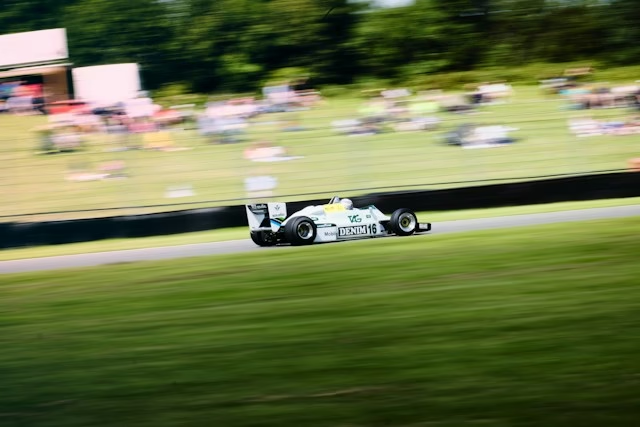
Formula 1 teams turned vehicle diagnostics into a live, data-led process long before connected technology became common in everyday cars. Engineers now monitor thousands of changing values across a race weekend, spotting small deviations before they become expensive failures. Many of the same principles have reached local garages, where technicians combine sensor readings, diagnostic codes and physical inspections to find faults more accurately.
Real-time data streams in the paddock
An F1 car continuously generates information about tyre behaviour, temperature, pressure, electrical systems and power unit performance. This telemetry travels to engineers in the garage, where software displays trends and flags unusual readings. The team can then adjust its strategy or ask the driver to change a setting.
Modern catapult.com also connects live readings with simulations and historical performance. A single number rarely gives engineers the full answer. They compare several channels over time, looking for patterns such as rising temperatures alongside falling pressure. That method has shaped the diagnostic process used on road cars.
Sensors replacing mechanical guesswork
Older diagnostic work relied heavily on visible damage, unusual sounds and a mechanic’s experience. Those skills still matter, but sensors now reveal faults that may have no obvious physical symptoms. Wheel-speed sensors, oxygen sensors and temperature monitors can identify changes before the driver notices poor performance.
A detailed account of racecar-engineering.com shows how engineers interpret connected data streams instead of treating each reading in isolation. Road technicians use a similar principle when a warning light appears. Drivers near Porter, Texas can arrange diagnostics and preventive maintenance through philscarcaretx.com when a light persists, performance changes, or a vehicle begins using more fuel than normal.
Digital vehicle checks on the high street
When a technician connects a diagnostic scanner to a modern car, the device communicates with its onboard control modules. It can retrieve stored fault codes, live sensor values and records showing the conditions present when a fault occurred. This gives the workshop a useful starting point, but a code doesn’t automatically identify the failed part.
For example, an oxygen-sensor code could result from damaged wiring, an air leak or a fuel-delivery issue. A good technician checks live readings and tests the relevant components before recommending repairs. You can help by describing when the symptom appears, such as during cold starts, motorway driving or braking. Precise details narrow the search and reduce unnecessary parts replacement.
Early warning signs algorithms catch
Diagnostic software looks for readings that fall outside expected ranges or change in an unusual sequence. A gradual rise in coolant temperature may point towards restricted flow, whilst repeated voltage drops could expose a weakening battery or charging fault. Some systems also compare wheel speeds to detect tyre-pressure changes.
Drivers should pay attention to alerts even when the car feels normal. Record the warning message, note the driving conditions and check whether it returns after restarting. A flashing warning or a sudden change in braking, steering or engine temperature calls for prompt professional attention. Avoid clearing stored codes before a diagnostic appointment because freeze-frame data can show the speed, load and temperature at the moment the system detected the problem.
Translating track insights to road safety
The strongest lesson from the pit lane is the value of trends. Race engineers don’t wait for a component to stop working before examining its data, and road drivers can adopt the same habit through scheduled servicing and prompt checks when behaviour changes. Maintenance records help technicians see recurring faults and compare measurements across several visits.
Track research also improves understanding of impacts, materials and driver protection. This explanation shows how lessons from motorsport can inform safer road design and vehicle engineering.
No road car needs an F1 control room behind it. It does benefit from the same disciplined response: notice the signal, preserve the useful data and investigate the cause before a small deviation becomes a roadside failure.
Featured Photo by Stephen Kidd on Unsplash