

Should You Lease Pickup Trucks instead of Buying One?
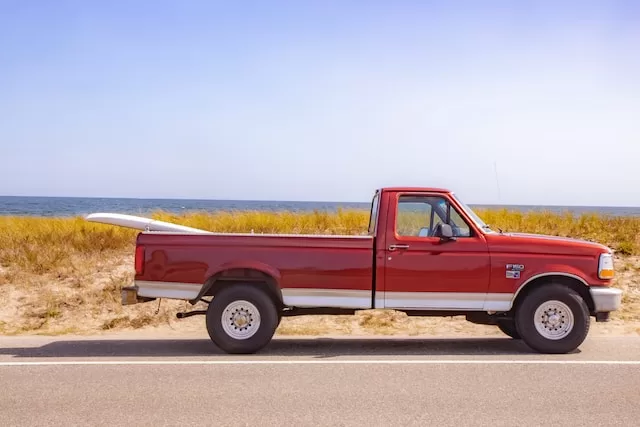
It is easy to see why leasing has been taking hold in recent years. With a lease, you can avoid the initial and ongoing costs of purchasing a vehicle, whether it is being used as a personal vehicle or part of a business that relies on at least one vehicle to operate properly.
Naturally, this means that leasing has started to cover quite a wide range of vehicle and equipment types, with pickup trucks being one great example.
While pickup trucks have a range of benefits that can make them incredibly useful for a variety of different tasks, getting hold of one usually forces you to make a choice. Do you want to buy one outright or set up a lease instead?
If you are not sure which option to take, then it is a good idea to look at the decision in closer detail. Many people undervalue the potential of leasing a vehicle for themselves, but is it really as useful as it might sound?
The Downsides of Leasing a Pickup
If you are considering leasing, then it is important to get the small list of downsides out of the way first. The main thing to consider is that you can’t always heavily modify a vehicle that you have leased from a dealership or a leasing company.
However, in the grand scheme of things, that usually is not all that important – you just need to lease the right kind of vehicle from the start. Most pickup trucks are designed to be sturdy and carry heavy loads, and the majority of lease options will be fine for that exact role.
If anything, the biggest problem is that leases are not permanent. While this is hardly a bad thing since you can always extend the lease or lease another pickup truck immediately afterward, it is understandable that some people prefer to own a vehicle rather than just borrow one.
The Advantages of Leasing a Pickup
Some of the main advantages of leasing a pickup truck should be quite obvious, although there can be a lot more benefits than many people first realize. While you do not own the vehicle in the usual sense, this is a small downside that gets completely overshadowed by all of the positive elements of a good lease arrangement.
Lower Costs
Leasing is much cheaper than buying. Even if you keep leasing year after year and eventually spend more than the cost of buying that same vehicle, the individual leasing costs can be much more manageable.
This is vital for small businesses and independent owners since they are far more likely to struggle with purchase costs than a large company would. However, even for a big company, being able to lease a fleet of pickup trucks can be a huge money-saver compared to buying all of them directly.
Not only does this save you money for future projects, but it can also ensure that you have access to a vehicle even in situations where your finances are not the best. This can be incredibly valuable for any business or individual that needs a vehicle to do their job – leasing provides short notice and lower-cost access to the exact kind of pickup truck you want.
Easier Acquisition
While local dealerships might only have a limited stock of pickup trucks to choose from, you can always look online to find a wider variety of options. This can usually be a great way to get access to the exact vehicle you need, regardless of your preferences and requirements.
Not only does leasing make it a lot easier to get hold of your chosen vehicle, but you also are not committing to a full purchase. If you only need a pickup for a single year – or even a few months at most – then you can usually come to a leasing agreement that suits that niche without much hassle.
This can be important for companies that operate a fleet of vehicles, too. Having a way to quickly get hold of particular pickup truck configurations may allow them to take on projects that they otherwise could not, all without having to purchase a vehicle that they do not necessarily need long-term.
Limited Lease Periods
It is easy to see the limited-time nature of a lease as a bad thing, but it is actually one of the biggest advantages of a pickup truck lease. Not only does it mean that you only keep the vehicle for the hire period, rather than having to commit to a full purchase, but it also means that you know exactly when you will not have the vehicle anymore.
This can be surprisingly easy to manage and enables businesses and solo tradespeople to get a vehicle for a set period of time without wasting too much money. This is a lot cheaper than a purchase and also enables you to upgrade to a better vehicle with each finished lease period rather than keeping a single pickup that might slowly go out of date.
Sometimes you simply need a vehicle for a year. Not having to retain the vehicle beyond that lease period means that you are not stuck with a piece of equipment that you may no longer need or do not have an easy way to get rid of.
Variety
As a side benefit, leasing also improves the overall amount of options that you have available. Leasing can include vehicles that are no longer in production, not easily available from the manufacturers, or even ones that have been modified to fit specific roles.
This is very common with people transport vehicles, which might have different customizations or interior kits that you would otherwise have to buy separately. This applies to pick-up trucks, too, and can allow a small business to get a truck that suits their specific needs without having to modify or upgrade a vehicle themselves.
While this might not matter to some customers, having such an easy way to access a whole host of vehicles can be incredibly useful. Pre-owned lease vehicles are especially appealing for some, often being cheaper as a whole while still providing some good utility that can benefit businesses and companies of any size.