

Automotive Tips: How to Create a Perfect Seal
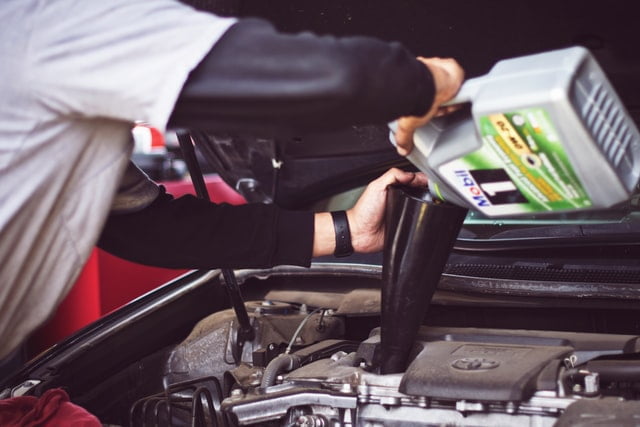
If you’re like most people, you take your car for granted. You get in it, turn the key, and go where you need to go. But what if I told you that there are things you can do to make your car run better and last longer? We’ll discuss one of those things: how to create a perfect seal. A seal is important for two reasons: to keep water and debris out of your engine, and to keep oil in. Here are some important things you need to know.
Why Car Seals Are Important
A car seat is a barrier between the different parts of your engine. It’s there to keep water and dirt out, and to keep oil in. Over time, seals can degrade and develop leaks. This can lead to all sorts of problems, including decreased performance, increased fuel consumption, and even engine damage. Because of this, you should start with a good gasket sealant. And, you can see more gaskets here to find out how they work and what their role is. Additionally, car seals provide other benefits that improve your car’s performance, such as:
- Reducing noise – By keeping the engine internals lubricated, car seals help to reduce noise.
- Improving efficiency – By keeping oil in and preventing leaks, car seals can improve your engine’s overall efficiency.
- Preventing corrosion – By sealing out water and dirt, car seals can help to prevent corrosion.
Use The Right Gasket Sealant
There are a lot of different gasket sealants on the market, and it can be tough to know which one to use. The best way to figure it out is to consult your car’s owner’s manual. It will usually have specific recommendations. If not, you can ask your mechanic or local auto parts store. Once you’ve got the right sealant, just follow the instructions on the packaging. It’s also important to use the right amount of sealant. Too much can cause leaks, and too little won’t do the job properly.
- Silicone: This is a popular choice because it’s easy to use and provides a good seal. It’s also heat resistant, so it can be used on engine parts that get hot. Silicone gasket sealants also tend to be less messy than other types.
- RTV (Room Temperature Vulcanizing): This type of sealant cures as it dries, so it’s important to follow the instructions carefully. RTV sealants are available in both liquid and gel forms. They’re also heat resistant, making them a good choice for engine parts.
- Permatex: This is another popular brand that makes a variety of gasket sealants. Permatex sealants are also available in both liquid and gel forms, and they’re heat resistant as well.
- Hylomar: This is a high-performance option that’s often used on race cars. Hylomar sealants are available in both liquid and paste forms. Apart from being heat resistant, they can also withstand high pressures.
Follow The Instructions
Once you’ve got the right gasket sealant, it’s important to follow the instructions carefully. Otherwise, you could end up with a leaky seal. In general, you’ll want to clean both surfaces that you’re going to seal. Then, apply the sealant to one surface and allow it to dry for the amount of time specified by the manufacturer. Once it’s dry, you can then assemble the two surfaces and tighten them down. So, if you’re mechanically inclined, you can probably change a gasket yourself. Just be sure to consult your car’s owner’s manual or a mechanic before you start, so you know what you’re doing. You’ll also need the right tools and supplies, which you can get at your local auto parts store. When changing a gasket, you’ll need to:
- Remove the old gasket. This is usually done with a scraper. Be careful not to damage the surfaces underneath.
- Clean the surfaces of both the engine block and the head. This is important for getting a good seal.
- Apply the gasket sealant to both surfaces.
- Put the new gasket in place and press it down firmly.
- Reassemble the engine and start it up.
Be Careful When Torquing The Bolts
Once you’ve applied the sealant, it’s time to torque the bolts. This is an important step because it determines how tight the bolts are. If they’re too loose, the seal won’t be effective. If they’re too tight, you could strip the threads or damage the gasket. The best way to avoid these problems is to consult your car’s owner’s manual. It will have specific torque recommendations for your vehicle. If you don’t have the owner’s manual, you can ask your mechanic or local auto parts store. Once you’ve got the right torque specs, just use a torque wrench to tighten the bolts to the specified amount. Additionally, you’ll want to use a thread locker on the bolts. This will help to keep them from loosening over time.
Replace Worn Or Damaged Seals
Over time, seals can become worn or damaged. This is especially true if you live in an area with extreme weather conditions. If you suspect that your seals are worn or damaged, it’s a good idea to have them replaced. This is a relatively simple and inexpensive repair, and it can save you a lot of money in the long run. Additionally, it’s a good idea to inspect your seals regularly and replace them if they show signs of wear or damage. There are a few signs that can indicate that your seals are damaged. These include:
- Excessive oil consumption – If you’re using more oil than usual, it could be because of a bad seal.
- Engine knocking – This could be caused by a loss of oil pressure due to a bad seal.
- Leaking oil – This is the most obvious sign that you have a problem with your seals.
What Happens When You Don’t Have A Perfect Seal?
If you don’t have a perfect seal, your engine will lose oil pressure. This can lead to all sorts of problems, including decreased performance, increased fuel consumption, and even engine damage. Additionally, a loss of oil pressure can cause your engine to overheat. This can cause even more damage, so it’s important to fix the problem as soon as possible. There are a few things that can cause your seals to become damaged or worn. These include:
- Age – Over time, seals can become hard and brittle, which makes them more susceptible to damage.
- Extreme weather conditions – Extreme cold or heat can cause seals to become brittle and crack.
- Dirty oil – If your oil is dirty, it can cause seals to become hard and brittle.
If you suspect that your seals are damaged or worn, it’s important to have them inspected and replaced if necessary. This is a relatively simple and inexpensive repair, and it can save you a lot of money in the long run. Additionally, it’s a good idea to inspect your seals regularly and replace them if they show signs of wear or damage.
So, What Makes a Perfect Seal?
A perfect seal is one that’s made of high-quality materials and installed correctly. Additionally, it should be inspected regularly and replaced if it shows signs of wear or damage. If you take these steps, you can be sure that your engine will have the best possible chance of running smoothly and efficiently. For example, you should:
- Consult your car’s owner’s manual for the correct torque specs.
- Use a torque wrench to tighten the bolts to the specified amount.
- Use a thread locker on the bolts to keep them from loosening over time.
- Inspect your seals regularly and replace them if they show signs of wear or damage.
Other Helpful Automotive Tips
In addition to creating a perfect seal, there are a few other things you can do to keep your car running smoothly. These include:
- Change your oil regularly – This will help keep your engine clean and prevent seals from becoming hard and brittle. Oil needs regular changing because it breaks down over time. Be sure to use the type of oil recommended by your car’s manufacturer. Using the wrong oil can cause all sorts of problems, including seal damage.
- Check your fluids regularly – This includes coolant, brake fluid, and power steering fluid. These fluids need to be at the correct level to prevent damage to your car. Additionally, be sure to check for leaks regularly. Brake fluid and power steering fluid leaks can be especially dangerous because they can cause your brakes to fail.
- Inspect your car regularly – This includes checking the tires, brakes, and suspension. These are all important components of your car, and they need to be in good working order to prevent problems. Additionally, regular inspections can help you spot potential problems before they become serious.
- Keep your car clean – A dirty car can cause all sorts of problems, including decreased performance and increased fuel consumption. So, to keep your car clean, make sure to wash it regularly. Additionally, be sure to vacuum the interior and clean the windows.
Creating a perfect seal is important for keeping your car running properly. Use the right gasket sealant and be careful when torquing the bolts. Additionally, inspect your seals regularly and replace them if they show signs of wear or damage. By following these tips, you can keep your car running like new for many years to come.
Featured Photo by Tim Mossholder on Unsplash