

Factors You Need To Consider Before Buying A Car
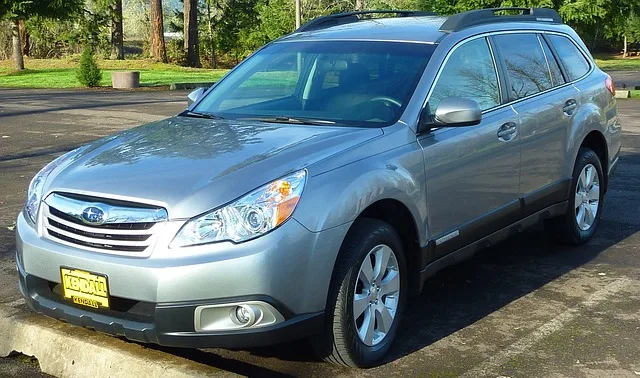
Buying a car is a significant investment, and it’s essential to get it right. You want to ensure you make the best choice for your needs and budget. This guide will delve into the key factors you should consider before making your final decision. So, whether you’re a first-time buyer or a seasoned car owner, read on to make your next car purchase a breeze.
New vs. Used
The decision between buying a new car and opting for a used one is important for several reasons. As every reliable Subaru dealer will explain, new cars come with the latest technology, lower maintenance, and warranty coverage, ensuring peace of mind. However, they also depreciate faster, significantly in the first few years. On the other hand, used cars are generally cheaper, with slower depreciation rates, making them an economical choice, but they may lack the latest safety features, have higher maintenance costs, and possibly have hidden issues.
Therefore, the decision should be made after considering your budget, the value you put on the car’s condition and features, and your tolerance for potential maintenance issues. Remember, the best decision will always be the one that meets your personal needs and financial situation.
Budget
A crucial factor to consider when purchasing a car is your budget. It’s not just about the initial cost of the vehicle; you must also factor in ongoing costs such as insurance, maintenance, and fuel. A more expensive car may have higher insurance premiums and maintenance costs, making it a considerable long-term financial commitment. Additionally, if you’re planning to finance the car, you have to consider the monthly payments and interest rates, which can significantly add to the overall cost.
Overspending on a car can potentially lead to financial strain, causing unnecessary stress. It’s essential to choose a car that’s within your means, ensuring a comfortable and sustainable ownership experience. Establishing a budget before shopping can prevent impulsive decisions based on appearances or features that could lead to regret later. You can also compare prices in real time with online apps. For that you can count on Xfinity internet plans to provide you with reliable connectivity whenever you need it. Therefore, budgetary considerations help in making a wise and informed decision, providing a clear vision of what you can genuinely afford.
Fuel Efficiency
An efficient car consumes less fuel per mile, directly reducing your fuel costs and contributing to substantial savings in the long run. The savings can be even more profound for those with extensive daily commutes or frequent long-distance travel. Environmentally conscious buyers also appreciate fuel-efficient vehicles for their reduced carbon footprint, aligning their transportation needs with their commitment to sustainability.
These vehicles emit less carbon dioxide, helping mitigate the harmful effects of climate change. Certain countries offer incentives like tax rebates for owning fuel-efficient cars, providing additional financial benefits. Thus, considering fuel efficiency is beneficial for your wallet, and the environment, and potentially offers tax benefits. It’s an essential factor in car purchasing decisions, contributing to both personal and broader societal benefits.
Maintenance and Repair Costs
Owning a car comes with a lot of responsibilities you need to keep in mind at all times if you want to make sure it runs smoothly. Here’s an essential maintenance checklist you should always follow:
- Regular checkups
- Engine oil
- Transmission fluid
- Coolant/antifreeze
- Brake system
- Tire maintenance
- Battery
- Air filters
- Belts and chains
- Fluid levels
- Exhaust system
- Wipers and washer fluid
- Suspension and steering
- Fuel system
- Air conditioning
- Leak checks
- Drive belts
Maintenance and repair costs are critical factors to consider when buying a car, as these costs can significantly impact your overall vehicle ownership experience. A car with frequent upkeep issues can lead to unexpected expenses, negating any initial savings from the purchase. Similarly, high-cost repairs can strain your budget and cause stress.
Furthermore, time spent on maintenance and repairs can detract from the convenience and enjoyment of owning a car. Therefore, understanding these costs upfront allows for better financial planning and ensures a smoother vehicle ownership experience. It’s always wise to factor these costs into your purchasing decision.
Safety Features
Advances in automotive technology have resulted in a plethora of safety features, such as anti-lock braking systems (ABS), electronic stability control (ESC), airbags, backup cameras, and automatic emergency braking (AEB). These features aim to prevent accidents, protect passengers during crashes, and aid in navigation. Considering safety features is crucial as they can greatly reduce injury risk in the event of an accident, providing peace of mind whenever you or your loved ones are on the road.
Moreover, vehicles with advanced safety features can often result in lower insurance premiums. Therefore, prioritizing safety features not only contributes to the physical well-being of the car’s occupants but can also lead to potential financial savings, making them an essential factor in your car purchasing decision.
Resale Value
Cars depreciate over time – however, some models retain their value better than others. When the time comes to sell or trade in your vehicle, a car with a high resale value can offer a more significant return, reducing the overall cost of ownership. Reselling a car with strong resale value can also provide a substantial down payment for your next vehicle.
Additionally, considering resale value is an excellent strategy for those who prefer to change cars frequently, ensuring they get a good return on their investment each time. Therefore, the resale value can significantly impact your long-term financial planning and should be a key consideration when buying a car.
Insurance Costs
Insurance premiums are typically influenced by the car’s make, model, age, and safety features. Therefore, a more expensive or high-performance vehicle might attract higher premiums. Additionally, aspects like where you live, your driving history, and your age can also influence insurance costs. Considering these costs upfront can help you understand the total cost of car ownership.
Also, it’s worth noting that failing to maintain proper insurance can lead to hefty fines or legal issues. Thus, being mindful of insurance costs while buying a car can lead to informed decisions that align with your financial capabilities and legal responsibilities.
So, before you sign on the dotted line and drive off into the sunset with your new car, make sure you’ve carefully considered these factors. Your budget, the car’s fuel efficiency, maintenance and repair costs, safety features, resale value, and insurance costs all play crucial roles in your decision. By taking the time to evaluate these aspects, you’ll ensure you’re making a savvy purchase that suits your lifestyle and financial situation.