Formula E Moves to Restrict Team Orders Ahead of Gen4 Era
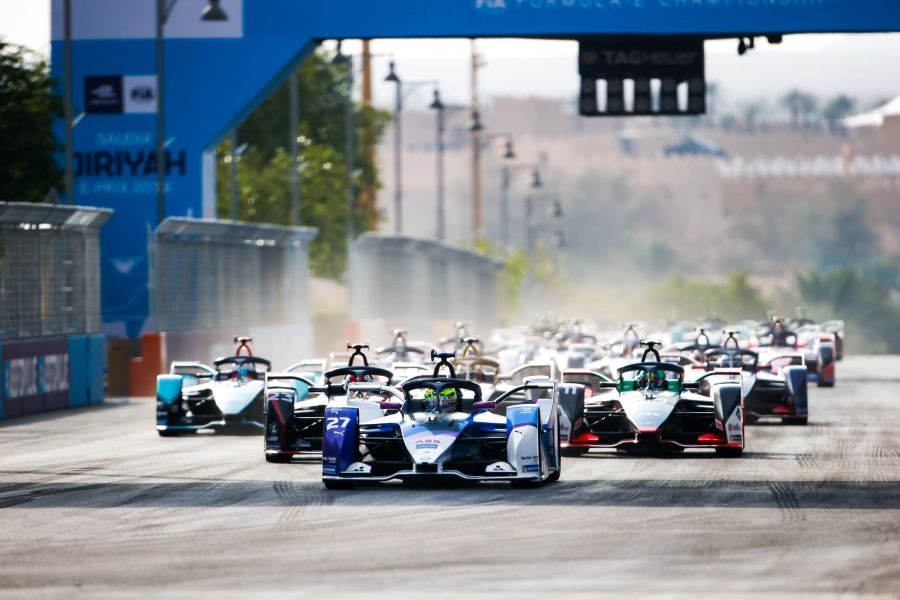
Formula E is preparing stricter regulations designed to limit manufacturer-driven team orders as the championship approaches its Gen4 era, signaling a significant governance shift aimed at protecting competitive integrity and customer-team independence.
The proposed changes, discussed through FIA and paddock-level conversations reported by Read Motorsport, reflect growing concern over the influence manufacturers could exert over affiliated customer operations once Gen4 regulations are introduced.
Growing Concern Over Multi-Team Manufacturer Structures
The issue gained momentum after Porsche confirmed plans for an expanded multi-team Formula E structure in the Gen4 era. Rival teams and officials fear that larger manufacturer networks could potentially influence race outcomes through coordinated strategy or tactical cooperation between factory and customer entries.
Formula E’s street-circuit format, featuring narrow layouts and limited overtaking opportunities, increases the sensitivity of such concerns. Tracks such as Monaco E-Prix and Diriyah can amplify the impact of strategic positioning and pace management.
The FIA is therefore evaluating sporting regulation revisions intended to prevent any coordinated attempts to manipulate race outcomes or championship standings.
Customer-Team Independence at the Center of Debate
One of Formula E’s defining characteristics has been the competitiveness of customer teams against full factory operations. Maintaining that balance is viewed internally as essential to the championship’s identity and commercial sustainability.
Under the proposed framework, regulations would specifically target arrangements that “significantly alter” race outcomes between associated competitors. While enforcing such rules remains challenging, the initiative represents a clear signal from the FIA regarding the future direction of governance within the series.
According to discussions referenced by The Race, officials are also reviewing broader technical and sporting implications tied to increasingly complex manufacturer-customer relationships.
Why This Matters for Formula E’s Future
The Gen4 era is expected to bring faster cars, more powerful powertrains, and greater manufacturer investment. As competitive stakes rise, governance structures become increasingly important in maintaining sporting credibility.
Without clear safeguards, expanded manufacturer influence could undermine the perception of fair competition—particularly in a championship where strategic coordination can heavily influence race dynamics.
Drivers such as Jake Dennis could ultimately compete in a more tightly regulated sporting environment designed to minimize artificial race manipulation.
Broader Implications Across Motorsport
Formula E is not alone in facing governance challenges linked to manufacturer influence. Similar debates have emerged in touring cars, endurance racing, and GT competition, where customer-team relationships increasingly shape competitive structures.
The championship’s response could therefore become an important reference point for how modern motorsport balances manufacturer involvement with sporting independence.
What Happens Next
Formula E and the FIA are expected to continue refining the regulatory framework ahead of the Gen4 transition, with additional details likely to emerge during upcoming sporting regulation reviews.
As the series evolves, the effectiveness of these measures may play a key role in determining how competitive and credible the Gen4 era ultimately becomes.