

How the UK driving test has changed since 1935
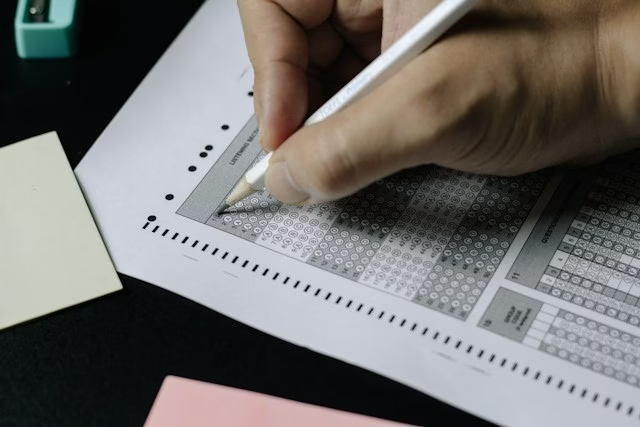
In the spring of 1935 a Mr R. Beere became the first person in Britain to pass a driving test. Before that, it wasn’t necessary to even get a drivers license. He paid seven shillings and sixpence for the privilege, about 37.5p in today’s money. Not alot, hah? Maybe it was because of the low price, since that year some 246,000 people applied. 63 percent of them passed.
In 2025/26 the DVSA conducted almost two million car tests, and the pass rate was roughly 50 percent, only half of the people. The cars have changed beyond recognition, but so has the test, and most of the changes came in a handful of big steps.
1935: a test for new drivers only
Testing began on a voluntary basis on 16 March 1935, under the Road Traffic Act 1934, and became compulsory on 1 June 1935. It only applied to people who had started driving on or after 1 April 1934. Everyone already on the road carried on without ever sitting one, which is why a generation of British motorists never took a test at all.
The early test was short and practical: the examiner wanted to see that the candidate could control the car, follow the rules of the road and handle traffic as it was then. There were no theory papers and no hazard clips; questions on the Highway Code were simply part of the practical test.
Interrupted twice
The test has stopped twice for national emergencies. It was suspended on 2 September 1939, at the start of the Second World War, and did not return until 1 November 1946. Then, during the Suez Crisis and the fuel rationing that came with it, testing was suspended again from 24 November 1956 to 15 April 1957. A month before Suez, on 19 October 1956, the fee had doubled from 10 shillings to £1.
By 1950 the pass rate had already fallen to 50 per cent, roughly where it sits today.
Automatics, arm signals and feedback
Three quieter changes shaped the test as most drivers over 40 remember it. In 1969 the first driving test was set for an automatic car. In May 1975 candidates no longer had to demonstrate arm signals, a skill that had been part of the test since the beginning. And from 1 May 1990, examiners started giving candidates a brief explanation of their faults at the end, instead of a simple pass or fail.
The theory test arrives
The biggest single change came on 1 July 1996, when a separate written theory test replaced the Highway Code questions in the practical test. Learners now had to pass it before they could book the drive. The pass mark rose from 26 out of 35 to 30 out of 35 a few months later, on 1 October 1996, and touch-screen testing followed in January 2000.
In 2002 the theory test gained a second part: hazard perception, a set of video clips in which candidates click when they spot a developing hazard. The clips were filmed footage until January 2015, when computer-generated clips replaced them.
Show me, tell me
On 1 September 2003 the practical test gained its vehicle safety questions. Before driving off, the examiner asks the candidate how they would check something on the car, from tyre tread to brake fluid. It sounds minor, but it is the part of the test that put many learners under a bonnet for the first time.
2010: independent driving, and no more published routes
From 4 October 2010, about ten minutes of the test became “independent driving”: the candidate followed road signs or a set of directions without turn-by-turn instructions from the examiner. At the same time the Driving Standards Agency stopped publishing its test routes. The road safety minister of the day argued that learning routes by heart did not prepare anyone for driving alone.
That decision changed how learners prepare. Instead of a printed list of roads, most now practise the area around their test centre with an instructor, or watch it first: sites such as testroute.co.uk gather the routes driven during driving tests, analyze them, and film the roads around test centres from the driver’s seat, so a learner can see the junctions and roundabouts before they drive them on their own driving test.
2017: the sat nav test
The most visible modern change came on 4 December 2017. Independent driving doubled to about 20 minutes, and in most tests the candidate now followed directions from a sat nav. Two manoeuvres that generations of drivers had practised in quiet side streets, reversing around a corner and the turn in the road, were dropped. In their place came pulling up on the right and reversing, and driving forwards into a parking bay. One of the “show me” questions also moved from the car park to the road, asked while the candidate is driving.
Six months later, on 4 June 2018, learners were allowed on motorways for the first time, as long as they were with an approved driving instructor in a car with dual controls.
2025: fewer stops, more real driving
The latest changes took effect on 24 November 2025. The number of stops during the test dropped from four to three, and the emergency stop is now carried out in about one test in seven rather than one in three. Independent driving, by sat nav, by road signs or both, now runs for the whole test. The aim, according to the DVSA, is a drive that flows like ordinary driving and gives the examiner a better view of how a candidate copes on their own, including on faster roads where the area allows.
The test a learner takes today
Put together, the modern route to a licence looks like this. A learner passes the theory test first, multiple choice questions plus the hazard perception clips, and only then books the practical. The drive itself lasts about 40 minutes. It starts with an eyesight check, reading a number plate from 20 metres, and a “tell me” question, then follows the examiner’s directions, a sat nav or the road signs, for the whole drive, with one manoeuvre and one “show me” question on the way. A candidate can make up to 15 minor faults and still pass; a single serious or dangerous fault means a fail.
What has not changed
Ninety years on, the examiner is still looking for the same thing Mr Beere had to show in 1935: a driver who can handle the car and the traffic safely without help. The tools have changed, from arm signals to sat navs, and the pass rate has slid from 63 per cent to about one in two. The nerves, by every account, are exactly the same.
The full timeline, from the first Highway Code to the present test, is published on gov.uk.
Photo by Nguyen Dang Hoang Nhu on Unsplash