

How to Remove VIN History from Google and Car Auction Websites
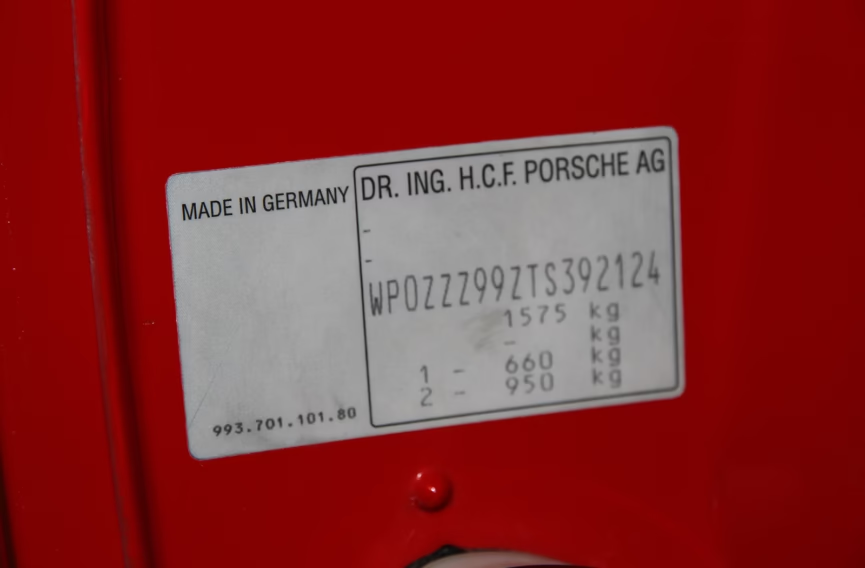
Buying a car from an American auction used to be straightforward. Find a bargain, win the bid, ship it home, repair it, and enjoy the savings. Unfortunately, the internet has developed a rather irritating habit: it remembers absolutely everything.
A vehicle purchased through Copart, IAAI, or Manheim can leave behind dozens of online records, including accident photographs, auction prices, mileage readings, and damage descriptions. Even years after the vehicle has been repaired and sold, those records may remain publicly accessible.
Anyone with the car’s 17-character Vehicle Identification Number (VIN) can potentially find them through a simple Google search.
Fortunately, owners can request the removal of certain online records. Services such as vin.rip specialize in VIN history removal, helping vehicle owners remove auction photographs, unwanted listings, and publicly accessible vehicle information from websites and search engines.
But how does the process work, what does it cost, and can you really delete VIN history from Google?
Why Your Car’s VIN History Remains Online for Years
American vehicle auctions generate enormous amounts of data.
When a vehicle appears on Copart or IAAI, its listing may include 20–30 photographs, a VIN number, recorded mileage, visible damage, auction location, and sale information.
That information doesn’t necessarily disappear when the auction ends.
Third-party platforms such as Bidfax, Bid.cars, AutoAstat, and Poctra may collect and republish auction listings. Search engines then index these pages, making them discoverable long after the original sale.
The scale of the market is substantial. According to figures reported by Polish automotive industry analysts, 59,992 used vehicles were imported from the United States into Poland during the first nine months of 2026, an increase of 5.7% compared with the same period in 2025.
And each imported vehicle can arrive with something the shipping company forgot to mention: a digital history that follows it across borders.
For vehicle owners, removing VIN information from the internet is increasingly a question of controlling unnecessary exposure of their property and personal information.
What Information Can Be Found Using a VIN Number?
A VIN is a unique 17-character vehicle identifier. It is essential for registration, insurance, recalls, and legitimate vehicle history checks.
However, searching for that identifier online can reveal much more than basic technical specifications.
Commonly published information includes:
- Accident photos: Images showing collision damage, deployed airbags, or damaged body panels.
- Auction sale prices: Winning bids and historical vehicle listings.
- Mileage records: Odometer readings recorded when the vehicle was listed.
- Damage descriptions: Information about flood damage, collisions, theft recovery, or other reported conditions.
- Vehicle photographs: Exterior and interior pictures, sometimes containing personal belongings or documents.
- Location information: Auction locations, registration details, or identifying information visible in photographs.
- Previous ownership information: Details that may appear in documents or third-party listings, depending on the source.
Not every listing contains all these details. Nevertheless, a single VIN can connect information scattered across numerous websites.
This is why searches such as remove VIN history, delete car history online, and remove auction photos from Google have become relevant to owners of imported vehicles.
Can You Legally Remove VIN History from the Internet?
Yes. Vehicle owners can request the removal of certain VIN-related information from websites and search engines. However, removing online listings is not the same as deleting a vehicle’s official history.
This distinction matters.
A website publishing old auction photographs is different from a government agency maintaining registration records or an insurer documenting a claim.
Requests to remove online content may rely on privacy rights, website policies, applicable data protection legislation, or other legitimate grounds.
In the European Union, Article 17 of the General Data Protection Regulation (GDPR) provides a right to erasure of personal data under specific circumstances.
A VIN alone is not automatically personal data in every situation. However, when combined with photographs, registration details, locations, or identifiable documents, it may become linked to an individual.
GDPR also has jurisdictional limitations. A website operating outside the EU is not automatically subject to every European privacy request.
Importantly, VIN history removal does not erase accident records, insurance claims, salvage titles, or government databases. Those records may remain available to authorized parties and prospective buyers through legitimate reporting services.
The objective is to remove eligible online publications, not rewrite what actually happened to the vehicle.
How vin.rip Helps Remove VIN History from Google
vin.rip is a specialized service focused on identifying and removing publicly accessible vehicle information from websites and search results.
Rather than requiring owners to contact multiple auction-data aggregators individually, the service provides a centralized process for reviewing and requesting removal of eligible records.
According to its website, vin.rip handles requests involving vehicle information originating from auctions in the United States, Canada, and Korea.
Its advertised services include:
- Remove VIN from Google and other search results.
- Delete car auction photos from supported websites.
- Remove vehicle history from websites that republish auction information.
- Request removal of publicly displayed auction prices, mileage, and damage descriptions.
- Address eligible photographs and videos appearing in online search results.
- Identify websites displaying information associated with a particular VIN.
The important part is that website removal and search engine removal are separate operations.
Deleting a Google search result doesn’t necessarily delete the underlying webpage. Conversely, removing a webpage doesn’t always make its cached search listing disappear immediately.
A proper VIN data removal process therefore needs to consider both the original website and its visibility in search engines.
How to Delete VIN History with vin.rip: Step by Step
The process described by vin.rip involves four main stages: submitting a VIN, reviewing the available removal options, confirming the service, and receiving a completion report.
Here’s how to get started.
- Visit the website. Open vin.rip/en and locate the vehicle history removal request form.
- Enter your VIN number. Submit the 17-character identifier of the vehicle whose online records you want reviewed.
- Receive an assessment. The service reviews available listings and provides information about potential removal targets, costs, and the proposed work.
- Approve the removal request. Confirm which websites or records should be addressed and arrange payment under the agreed terms.
- Wait for processing. The service begins submitting or handling the relevant removal requests.
- Review the results. Once the work is completed, receive a report and verify the affected websites and search results.
Owners should keep a copy of the original URLs and confirm which pages have actually been removed.
A successful request should be evaluated against the specific websites included in the agreed scope, rather than an assumption that every reference to the VIN has disappeared worldwide.
How Much Does VIN History Removal Cost?
One of the first questions vehicle owners ask is whether professional VIN history removal is expensive.
According to information published by vin.rip, advertised pricing starts at approximately $60, while the typical removal timeframe is 1–7 days.
These figures are indicative, not a guaranteed quote for every vehicle.
| Service detail | Advertised information |
| Initial VIN visibility check | Free |
| Starting removal price | From $60 |
| Typical removal timeframe | 1–7 days |
| Supported vehicle sources | U.S., Canadian, and Korean auctions |
| Website removal | Subject to the target website and request |
| Search engine removal | Available for eligible results |
| Completion documentation | Removal report |
The final cost depends on the number of websites involved and the complexity of the request. Multiple independent copies can require separate removal actions.
For example, removing one listing from a single auction-data aggregator is a different assignment from addressing photographs duplicated across 15 websites.
Before paying, owners should request a clear list of target URLs, the price, and the expected scope of the service.
Can You Remove VIN History from Google Yourself?
Yes, you can attempt to remove VIN history from Google yourself, although the process can become time-consuming when multiple websites are involved.
The difficulty isn’t finding the first listing. It’s finding all the others.
A vehicle may appear on the original auction website, several archive platforms, image-search results, and smaller websites that copied the information years earlier.
A practical DIY approach involves identifying the relevant URLs, contacting website operators, submitting appropriate removal requests, and checking whether search engines still display the material.
Google also provides tools for removing outdated content from search results when the original page has already been deleted or substantially changed.
However, Google generally does not remove truthful, lawful vehicle information simply because an owner dislikes its appearance in search results.
Professional services such as vin.rip aim to reduce the administrative work by handling eligible requests across multiple websites.
That can be particularly useful when a VIN appears on numerous independent platforms.
VIN Removal vs. Official Vehicle History: What’s the Difference?
A common misunderstanding is that delete VIN history means completely erasing every record associated with a vehicle.
It doesn’t.
There are two fundamentally different categories of information.
Publicly accessible online content includes copied auction listings, commercial archive pages, photographs, and search engine results. Depending on the website and legal circumstances, this information may be eligible for removal.
Official vehicle records include registration information, insurance claims, title records, and other legally maintained databases. These are subject to separate rules and cannot simply be erased through an online reputation service.
A vehicle that suffered a serious collision remains a previously damaged vehicle, even if an old auction photograph is no longer visible on Google.
Sellers must still comply with applicable disclosure obligations, and buyers should continue to obtain independent vehicle history reports and inspections.
The legitimate purpose of removing car history from the internet is to limit unnecessary public distribution of information, particularly when it exposes personal details or is republished without an appropriate basis.
How to Check Whether Your VIN Has Been Removed
After completing a removal request, verification is essential.
Start by entering the complete VIN in Google, preferably inside quotation marks to search for the exact identifier.
Next, check Google Images and Bing. Search for the VIN alongside terms such as “Copart,” “IAAI,” “auction,” and “salvage.”
Visit the original websites where the records appeared. A listing should no longer display the targeted information if its removal was successful.
If the source page is gone but a search result remains, search engine recrawling or an outdated-content request may be necessary.
Finally, repeat the check periodically. Third-party websites can republish previously collected information, and no service can guarantee that a VIN will never appear online again.
Frequently Asked Questions About VIN History Removal
How do I remove VIN history from Google?
To remove VIN history from Google, first identify the websites publishing the information. Request removal from the relevant website operators, then address any remaining indexed results through the appropriate Google removal procedures. vin.rip offers assistance with this process for eligible vehicle records.
Can I delete Copart or IAAI auction photos?
Auction photo removal may be possible from third-party websites that reproduce Copart or IAAI listings. Removal from original auction platforms depends on their policies and applicable legal grounds. Each website must be assessed individually.
How long does it take to delete VIN history?
vin.rip advertises a typical processing period of 1–7 days. Actual completion times can vary depending on the websites involved, the removal grounds, and search engine indexing delays.
How much does it cost to remove car history online?
The service advertises pricing starting at $60. A final quote depends on the websites and records included in the request.
Can VIN history be permanently deleted?
Specific online pages and photographs can sometimes be permanently removed from their hosting websites. However, previously downloaded copies, independent archives, lawful official records, and future republication cannot be universally controlled.
Does removing VIN history increase car resale value?
There is no guaranteed increase in resale value. Removing outdated or unnecessary online information may reduce confusion and protect privacy, but a vehicle’s actual condition, documented history, and market demand remain central to its valuation.
Final Thoughts: Take Control of Your Vehicle’s Online Footprint
A car can travel 5,000 miles across the Atlantic, undergo extensive repairs, change owners twice, and still have its original auction photographs sitting comfortably on page one of Google.
The internet is remarkably good at remembering things nobody asked it to remember.
For owners concerned about unnecessary exposure of their vehicle information, VIN history removal offers a practical way to address eligible auction listings, photographs, and search results.
vin.rip provides a dedicated service for identifying and requesting removal of those records, with advertised prices starting at $60 and typical processing times of 1–7 days.
It won’t change a vehicle’s mechanical condition or erase its legitimate official history. But it can help owners regain control over where their vehicle’s information is publicly displayed.