

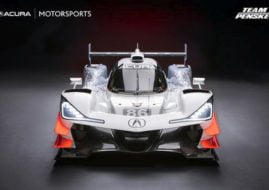
IMSA Updates GTP Energy Deployment and Stint Rules to Refine Prototype Racing
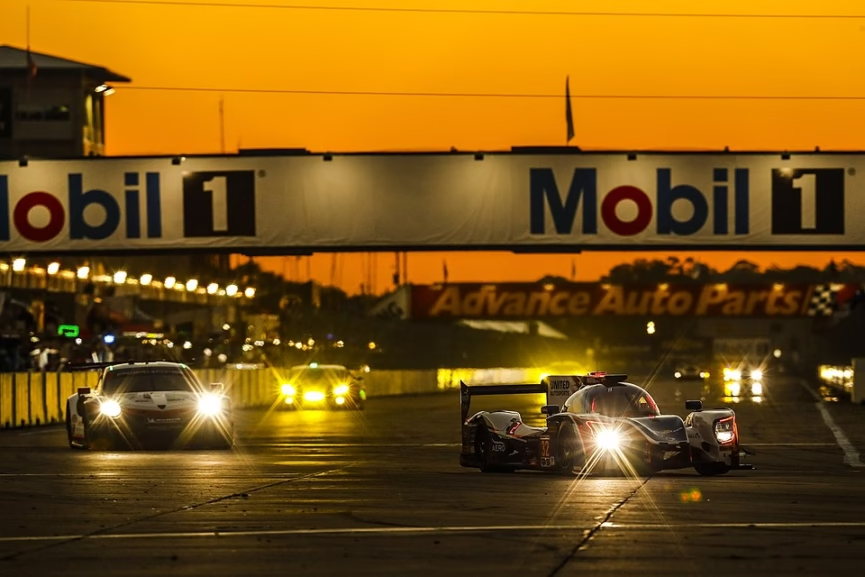
The IMSA SportsCar Championship has introduced updated regulations governing energy deployment and stint length in the GTP category, marking a significant technical adjustment aimed at improving competitive balance and race execution.
The changes, confirmed via IMSA and further detailed by Sportscar365, focus on how hybrid energy can be deployed over a stint, as well as how teams manage driver and tire usage within race limits.
Energy Deployment Limits Refined
The updated rules introduce tighter controls on how electrical energy is distributed throughout a stint, particularly in high-load scenarios. This is designed to prevent teams from exploiting short bursts of maximum deployment while ensuring more consistent performance across race distances.
Circuits such as Road Atlanta and Sebring, known for their demanding layouts, are expected to highlight the impact of these changes.
By regulating deployment more strictly, IMSA aims to create closer competition between manufacturers such as Porsche, Cadillac, BMW, and Acura, all competing under the GTP framework.
Stint Length Rules Add Strategic Complexity
Alongside energy deployment updates, IMSA has refined stint length regulations, particularly regarding maximum continuous running time and pit stop sequencing. These adjustments are intended to standardize strategy windows and reduce variability caused by differing interpretations of the rules.
According to Autosport, teams have been pushing for clearer guidelines to ensure fairness, especially in endurance formats where small strategic differences can lead to significant advantages.
Drivers such as Felipe Nasr will need to adapt to these constraints, particularly in managing pace and energy usage over longer runs.
Why This Matters for GTP Competition
The GTP category represents the top tier of IMSA competition, combining hybrid technology with manufacturer-driven development. Ensuring that regulations promote both fairness and technical innovation is critical to the category’s long-term success.
These updates address concerns that certain teams were able to gain disproportionate advantages through energy deployment strategies, potentially undermining competitive balance.
Broader Implications for Endurance Racing
The changes also reflect a broader trend across endurance racing, where governing bodies are increasingly focused on fine-tuning hybrid systems. Similar discussions are ongoing in global series such as the FIA World Endurance Championship.
By aligning technical regulations more closely with real-world performance data, IMSA is aiming to create a more predictable and competitive racing environment.
What Happens Next
The revised rules are expected to be implemented immediately, with teams adapting their simulation models and race strategies accordingly. Further adjustments may follow as IMSA evaluates the effectiveness of these changes in upcoming events.
As the GTP era continues to evolve, regulatory refinements such as these will play a crucial role in shaping the competitive landscape of North American endurance racing.
Related Posts