

The Everyday Driver Guide to Motorsport Level Brake Care
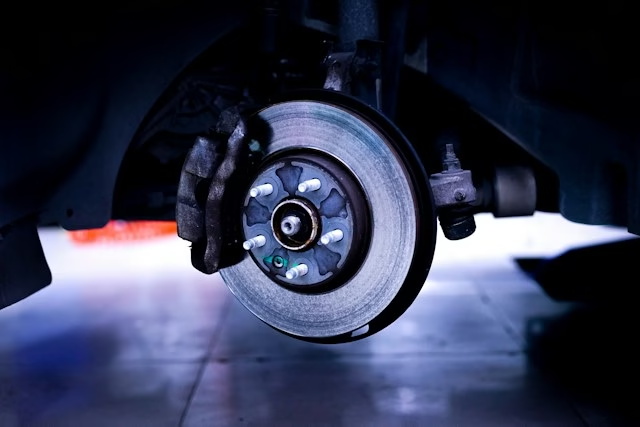
Daily driving rarely pushes a braking system to its limits, but mountain descents, towing and occasional circuit sessions can expose weaknesses quickly. Heat changes how brake fluid, pads and rotors behave, sometimes before a driver notices visible wear. Motorsport-level care focuses on managing those temperatures and inspecting parts based on actual use. Applied sensibly, the same habits can produce more consistent pedal feel and help everyday drivers spot trouble early.
Thermal Limits and Fluid Degradation
Brake fluid absorbs moisture over time, which lowers its boiling point. Under repeated hard braking, that moisture can turn to vapor and create a soft or sinking pedal. Fluid may still look clean while its heat resistance has already declined, so appearance alone isn’t a reliable test.
Have a technician measure moisture content during routine service and follow the vehicle manufacturer’s replacement interval. Cars used for circuit days, steep-road driving or frequent towing may need fresh fluid more often. The system must also use the fluid specification printed in the owner’s manual or on the reservoir cap.
Temperature affects the friction material too. Published brake pad temperature ranges show why a compound can work well at one heat level and fade at another. A sharp change in pedal feel, braking effort or stopping consistency after several heavy applications calls for inspection.
Pad Compounds on Street Versus Circuit
Street pads need predictable cold response because the first stop of a morning commute happens before the system warms up. They also balance noise, dust production and rotor wear. Circuit-focused compounds favor sustained performance at higher temperatures, but some can feel weak when cold and may squeal or produce substantial dust in normal traffic.
Choose pads according to the driving the car does most often. If you need help matching pads, fluid and tires to real use, a service provider such as fayettevilleautomotive.net can inspect the vehicle and recommend maintenance or repairs. Drivers who attend occasional circuit events may prefer separate pad sets, provided the components are compatible and installed correctly.
Preventing Premature Rotor Warping
Drivers often describe steering-wheel vibration as a warped rotor, but uneven friction material deposits or thickness variation can cause similar symptoms. Poor wheel installation, sticking caliper hardware and aggressive braking followed by a long stop with the pedal held firmly can all contribute.
New pads and rotors also need the correct bedding procedure. This controlled series of stops creates an even transfer layer across the rotor face. Follow the pad maker’s instructions because speed, cooling time and stop intensity differ among compounds.
After demanding driving, use a gentle cooldown lap or several minutes of easy road travel when conditions allow. Avoid setting the parking brake immediately if the rear brakes are extremely hot. During service, ask the technician to clean the hub face and tighten wheel fasteners in sequence to the specified torque. These small details help the rotor sit squarely against the hub.
Upgrading Hardware for Demanding Driving
Start an upgrade with inspection and temperature management, not the largest parts available. Fresh specification-correct fluid, suitable pads and healthy original hardware can be enough for a well-maintained street car. Larger components may add weight and cost without improving cold braking or reducing stopping distance on public roads.
Brake hoses, caliper seals, slide pins and dust boots deserve close attention because age and heat can impair their operation. Tires matter as well. A braking system can only use the grip available at the contact patch, so worn or unsuitable tires may limit performance before the brakes do. For more ways to apply motorsport maintenance practices to everyday driving, explore https://www.snaplap.net/endurance-racing-lessons-for-your-daily-drive/.
For regular circuit use, choose matched components with documented temperature ranges and vehicle compatibility. Confirm wheel clearance and brake balance before installation. Any change affecting calipers, rotors or hydraulic parts should be completed and checked by a qualified technician, followed by careful bedding and a low-speed function test.
Motorsport-level care begins with records. Note the fluid service date, pad thickness and any change in pedal behavior after a demanding drive. Those details give a technician useful evidence and make it easier to address heat-related wear before the next hard stop.