

Top 7 Gooseneck Trailer Lock Secrets for Maximum Protection
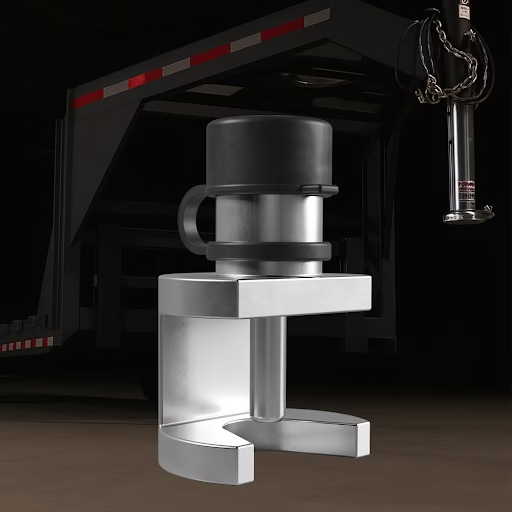
Gooseneck trailer lock protection matters because gooseneck trailers haul serious value, and the hitch is the one spot a thief can exploit in seconds. An unattended trailer with a weak coupler or an exposed hitch tube is an easy target, and most stolen trailers are never recovered. Choosing the right gooseneck trailer lock comes down to matching the lock to your coupler, understanding what actually resists an attack, and knowing how to keep it working season after season. This guide walks through the lock types, the security features that matter, and how to pick the model that fits your setup.
What Is a Gooseneck Trailer Lock and How Does It Work?
Most gooseneck trailer theft is opportunistic: a thief spots an unattended trailer, disconnects it, and tows it off in minutes. The most reliable way to shut that down is a lock built specifically for the hitch, and companies like AMPLock make, what we think, the best gooseneck trailer lock for exactly that job. Fitting one before you leave the trailer parked removes the quick-getaway option that thieves count on.
The gooseneck trailer lock secures the coupling point where a gooseneck trailer connects to a hitch mounted in the truck bed. It physically blocks the coupler or hitch tube so no one can drop the trailer onto a ball or into a receiver and tow it away. The lock does its job by covering the exact opening a thief needs, which removes the quick hitch-and-go theft that accounts for most trailer losses.
Most quality gooseneck locks use a hardened body that clamps over the coupler and a keyed cylinder that resists tampering. Once it’s installed, the lock stays put until you release it with the correct key, so the trailer can’t be hitched to another vehicle.
What’s the Difference Between a Coupler Lock and a Hitch Tube Lock?
A coupler lock wraps around the ball socket on the trailer’s tongue and blocks anything from seating into the coupler. It’s the right choice when you want to protect the trailer while it’s parked and disconnected.
A hitch tube lock slides into the gooseneck hitch tube itself after you remove the coupler. It secures the receiving tube in the truck bed so a stray coupler can’t be reinserted. Many owners run both for layered protection, because each one covers a different attack point.
Why Do Gooseneck Trailers Need a Specialized Lock?
Gooseneck couplers don’t share the same geometry as standard ball couplers, so a universal lock rarely fits well. A loose lock leaves gaps that give thieves room for pry bars, shims, and cutting tools.
A purpose-built gooseneck lock is molded to the coupler or tube it protects, which removes that slack and makes physical attacks far harder. The tighter the fit, the fewer angles a thief has to work with.
What Makes the Gooseneck Trailer Lock Secure?
Real security comes from three things working together: the materials, the lock cylinder, and the fit. A weakness in any one of them undermines the other two, so it’s worth checking all three before you buy.
Which Materials Offer the Best Theft Resistance?
Ductile cast iron and stainless steel are the benchmarks for trailer lock construction. Ductile iron absorbs impact and resists cutting, while stainless steel handles the moving parts without rusting or seizing.
Locks built from these North American grade materials hold up to saws, drills, and brute force, and they keep working in rain, road salt, and freezing temperatures. Cheaper alloys or thin steel can be cut or shattered, so the material spec is the first thing to confirm.
How Does the Lock Cylinder Prevent Picking and Drilling?
The cylinder is the brain of the lock. A disc lock cylinder uses a rotating face and precisely positioned discs that resist picking, and its design makes drilling extremely difficult.
Good cylinders also offer millions of unique key combinations and a controlled key that can’t be copied at a hardware store. That combination stops both the opportunist with a pick and the thief who tries to duplicate your key.
Does a Custom Fit Really Affect Security?
Fit is easy to overlook, but it decides how much leverage a thief gets. A custom-molded lock sits flush against the coupler or tube and leaves no gap to insert a tool.
A generic lock that rattles on the coupler gives an attacker room to pry or twist. When the lock is machined for your exact coupler type, there’s simply nothing to grab.
How Do You Choose the Right Gooseneck Trailer Lock?
Picking the right lock starts with your trailer, not the product page. Confirm your coupler style, weigh your risk, and decide how many keys you want to manage before you buy.
Which Coupler Type Does Your Trailer Have?
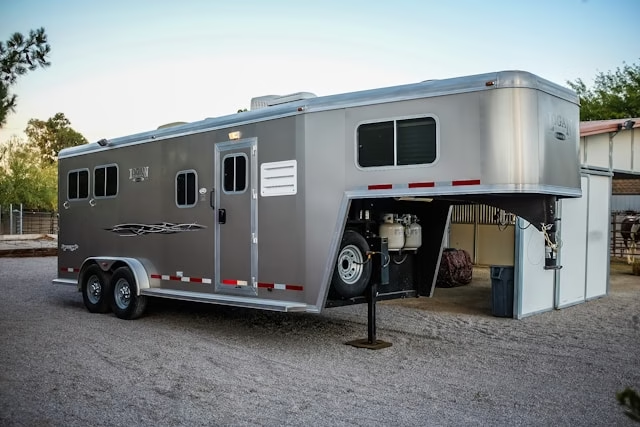
Check the coupler stamped on your trailer’s tongue before ordering anything. Gooseneck and fifth-wheel setups use different couplings, and even ball couplers come in flat lip, rolled lip, square edge, and no lip versions.
Matching the lock to that exact style is what guarantees the tight fit that makes it secure. If you’re unsure, measure the coupler and compare it against the manufacturer’s fit guide.
What Security Level Matches Your Risk?
Think about where the trailer sits and what it carries. A trailer parked in a locked yard faces less risk than one left at a job site or roadside overnight.
Higher-value cargo and exposed parking call for a heavier, higher-security lock, while a well-protected trailer may be fine with a standard coupler lock. Match the tier to the threat so you’re not underprotected or overpaying.
Should You Choose a Keyed-Alike System?
If you own more than one trailer or run several locks on the same rig, a keyed-alike system lets you open them all with a single key. It cuts down on the keyring and makes daily use faster.
Many manufacturers can even match new locks to a key number you already own. That’s worth setting up at checkout so your whole fleet stays on one key.
How Do You Install and Maintain a Gooseneck Trailer Lock?
A good lock only protects you if it’s installed correctly and kept in working order. Both steps are quick once you know what to look for.
How Do You Install a Push-and-Lock Coupler Lock?
Many modern gooseneck locks use a push-and-lock mechanism that installs without tools. You position the lock over the coupler or into the hitch tube, push until it seats, and remove the key.
That tool-free design means you’re more likely to actually use the lock every time you park, which is what stops theft in the first place. Always confirm it’s fully seated and give the trailer a light tug to check.
How Do You Keep the Lock Working in Harsh Weather?
Inspect the lock at least twice a year for corrosion, wear on the mechanism, and any looseness in the fit. A quick shot of dry lubricant in the cylinder keeps it turning smoothly through winter.
A lock that freezes, rusts, or jams often gets left off, and an unlocked coupler is an open invitation. Choosing corrosion-resistant materials up front makes this upkeep almost effortless.
Key Takeaways for Choosing a Gooseneck Trailer Lock
The best gooseneck trailer lock is the one that fits your coupler exactly, uses ductile iron and stainless steel, and carries a pick- and drill-resistant cylinder. Confirm your coupler type first, match the security tier to your risk, and consider keyed-alike convenience if you run more than one lock. Install it every time and keep it maintained, and you remove the single easiest way to steal your trailer.
Frequently Asked Questions About Gooseneck Trailer Locks
Are Gooseneck Trailer Locks Universal?
No. Gooseneck couplers vary in shape and size, so a lock designed for one style often won’t fit another securely. Always match the lock to your specific coupler or hitch tube for a tight, tamper-resistant fit.
How Much Should You Spend on a Gooseneck Trailer Lock?
Prices range from budget entry locks to premium high-security models. Base your budget on the value of the trailer and cargo you’re protecting, since a quality lock made from hardened materials costs more upfront but delivers years of protection.
Can a Gooseneck Trailer Lock Be Cut or Picked?
A cheap lock can be cut or picked, but a well-built one makes both extremely difficult. Ductile iron and stainless steel resist cutting and drilling, while a disc lock cylinder resists picking, so the quality of construction is what matters most.
Do You Need More Than One Lock for a Gooseneck Trailer?
Not always, but layering helps. Pairing a coupler lock with a hitch tube lock or a wheel lock covers multiple attack points and gives you protection even if one lock is defeated.