

USA Auto Transport Review: Door-to-Door Shipping for Interstate Car Moves
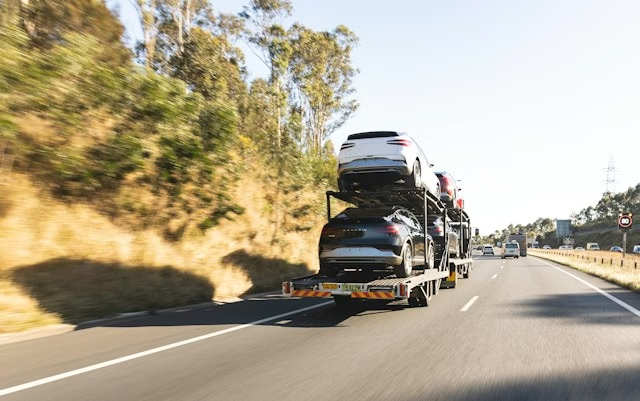
Moving a car across state lines is one of those jobs that looks simple until you actually try to plan it. Driving it yourself eats a vacation day or two, puts wear on the engine, and means gas and lodging costs that add up fast. That’s the gap long-distance car shipping companies fill, and USA Auto Transport is one of the names you’ll run into if you’re relocating, buying a car from a seller in another state, or sending a vehicle to a seasonal home.
This review looks at what the company actually offers, how the process works, and who it makes the most sense for.
What Is USA Auto Transport?
USA Auto Transport is a car shipping company built around one job: moving vehicles long distance across the United States. The company is fully licensed and insured, which matters more than it might sound like in an industry where unlicensed brokers and fly-by-night operators are a real problem for first-time shippers.
The target customer is straightforward. It’s people relocating for work or family, buyers picking up a car from a dealership or private seller out of state, and snowbirds who split time between two homes and need a vehicle at each one. Businesses moving vehicles as part of fleet operations fall under the same umbrella.
How Booking a Shipment Works
The process starts with a free quote. You give the company your pickup and delivery locations along with details on the vehicle, and USA Auto Transport provides a cost estimate before you commit to anything. That’s a low-friction way to compare shipping against other options before signing on.
From there, the company arranges for a carrier to collect the vehicle and transport it to its destination. Two delivery formats are offered. Door-to-door transport picks the car up and drops it off at addresses you choose, which cuts out the extra driving a lot of people don’t account for when they’re already juggling a move. Terminal-to-terminal delivery, by contrast, routes the vehicle through fixed pickup and drop-off hubs, which can suit shippers with flexible timing or a terminal close to home.
Neither option requires you to drive the vehicle any distance yourself once it’s handed off, which is the entire point of using a transport service instead of putting miles on the odometer and gas money on a credit card.
The Licensed and Insured Difference
Car shipping has a reputation problem. Search any forum thread on the topic, and you’ll find stories about brokers who disappear with a deposit, or carriers operating without proper coverage who leave customers on the hook if something goes wrong in transit. USA Auto Transport’s standing as a fully licensed and insured carrier is the detail that separates it from operators who skip that step, and it’s the single factor worth confirming before you hand your keys to anyone in this business.
That licensing and insurance status isn’t a minor checkbox. The Federal Motor Carrier Safety Administration publishes guidance specifically warning consumers to verify a mover’s registration before booking, precisely because the auto transport and household goods shipping industries attract operators who cut corners on this. A company that can point to licensing and insurance as a baseline, rather than an afterthought, is doing the one thing that actually protects your vehicle and your money if a shipment goes sideways.
Picking Door-to-Door or Terminal-to-Terminal
The two delivery methods aren’t just a technical detail buried in the booking form. They change your experience in ways worth thinking through before you request a quote.
Door-to-door delivery means less hassle on your end. The carrier comes to you and drops the car at the destination address, so you’re not driving to a terminal lot on either side of the move. It tends to suit people on a tight schedule or without easy access to a terminal location.
Terminal-to-terminal delivery can work well if your schedule is flexible or if the terminal location is more convenient than your actual address, for instance, if you’re shipping to a seasonal property before you arrive there yourself. It’s a trade of convenience for potential cost or scheduling differences and which one fits depends on your specific move.
Anyone who hasn’t shipped a car before will benefit from reading a broader primer first. This guide on how to choose among auto transport companies with confidence walks through the questions worth asking any shipper, and this complete guide to moving your car covers the logistics side of a vehicle relocation from start to finish.
Where It Delivers and Where It Doesn’t
Free quotes with no pressure to commit. You can get pricing information before deciding whether shipping makes sense for your situation, which is useful when you’re still weighing it against driving the car yourself or hiring movers for everything else.
Two delivery formats instead of one. Having both door-to-door and terminal-to-terminal options means the service can flex to fit a tight moving timeline or a more relaxed one.
Licensed and insured operation. This is the trust signal that matters most in an industry where it’s genuinely easy to get burned by an unregistered operator.
The honest limitations are worth naming too. Pricing for long-distance auto transport is never fixed in advance across the industry. It depends on distance, vehicle type, and timing, and you won’t know your actual cost until you request a quote for your specific move. Door-to-door convenience can also come with less flexibility on scheduling than the terminal option, since a carrier has to coordinate exact addresses rather than a dock. And as with any car shipping company, the specific carrier handling your vehicle on a given route can vary, since transport companies work through networks of drivers rather than owning every truck themselves.
None of these are dealbreakers. They’re just the normal trade-offs that come with any interstate vehicle transport and worth factoring into your timeline either way.
Who Should Book With USA Auto Transport
This service makes the most sense for a few specific situations. People relocating across states for a job or a family move who don’t want to spend a day or two driving a second vehicle fit well here. So do car buyers who found a better deal from an out-of-state dealership or private seller and need the vehicle brought home without putting the miles on it themselves.
Snowbirds who keep a car at each of two homes are another clear match, since they often need a vehicle shipped on a predictable seasonal schedule rather than a one-time move. Businesses relocating a vehicle as part of a larger operational shift can use the same door-to-door or terminal service without adjusting their core process.
It’s a weaker fit for someone shipping a car only a short in-state distance, where driving it yourself is often simpler and cheaper, or for someone who hasn’t settled on a delivery address yet and needs maximum flexibility before locking in logistics. For a rundown of what’s generally involved in vehicle transport before you commit to any provider, this guide on what to know about shipping cars is a useful starting point.
The Verdict
USA Auto Transport covers the basics that matter most in this industry: licensed and insured operation, a choice between door-to-door and terminal-to-terminal delivery, and free quotes that let you see pricing before you commit. For anyone relocating, buying a car out of state, or shuttling a vehicle to a seasonal home, that combination covers the real decision points without extra complexity.
If you’re weighing whether to drive the car yourself or ship it, start with a free quote and compare the number against what a few days of driving, gas, and lodging would actually cost you. For most interstate moves, the math favors shipping, and this is a straightforward way to find out.
Featured Photo by Car Photographers on Unsplash