

Why More Melbourne Rideshare Drivers Are Choosing Hybrid Rentals
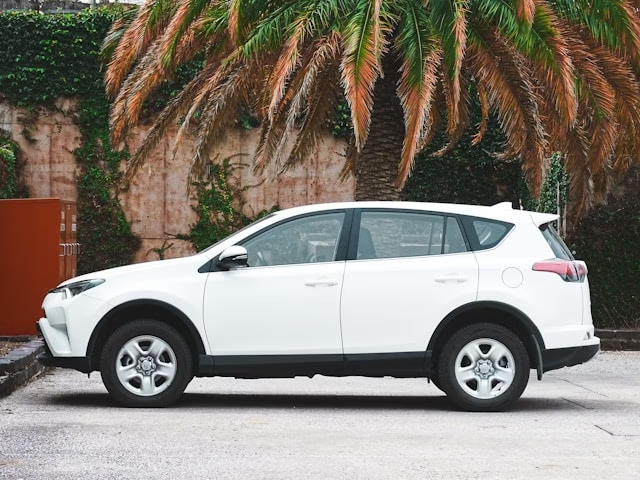
Anyone who has spent a full shift behind the wheel in Melbourne traffic knows the two things that eat into your earnings fastest are fuel costs and vehicle wear. With petrol prices bouncing around and platforms like Uber and DiDi tightening their vehicle age and emissions requirements, more drivers across the western suburbs are rethinking what they drive. Hybrid rentals have quietly become the practical answer, and the shift is happening faster than most people outside the industry realize.
It is not just about saving a few dollars at the pump, although that matters a lot when you are doing sixty or seventy kilometers a day. Hybrid vehicles like the Toyota Corolla and Camry hold up better under the stop start driving pattern that defines rideshare work. Traditional petrol engines take a beating from constant idling and short trips, while hybrid drivetrains are built for exactly that kind of driving. The regenerative braking system recovers energy every time you slow down for a passenger pickup or sit at a red light on Barkly Street, which is most of the day if you are working Melbourne’s inner west.
The Real Cost Difference Over a Full Week
Drivers who switch from a standard petrol sedan to a hybrid typically report fuel savings of thirty to forty percent over a week of solid rideshare driving. On a car doing five hundred kilometers a week, that can mean the difference between a fuel bill that eats a fifth of your earnings and one that barely dents them. Add in the fact that hybrid vehicles tend to need less frequent brake pad replacement because of regenerative braking, and the maintenance savings start to stack up too.
This is exactly why rental fleets built specifically for rideshare drivers have leaned so heavily into hybrid vehicles over the past couple of years. Instead of drivers buying a car outright and absorbing depreciation, insurance, and servicing costs themselves, renting a purpose built hybrid means those costs are already factored into a flat weekly rental rate. It removes a lot of the guesswork that used to come with driving for Uber or DiDi, particularly for people who are new to the platforms and unsure how many hours they will actually end up working.
Meeting Platform Requirements Without the Headache
Uber and DiDi both have vehicle standards that get stricter every year, covering everything from age limits to emissions ratings. A car that qualified two years ago might not pass inspection today. Drivers who own their vehicle outright sometimes find themselves stuck with a car that no longer meets the criteria, forcing an expensive and rushed upgrade. Renting sidesteps that problem entirely, since a good rental provider keeps its fleet current and swaps vehicles before they age out of compliance.
For drivers based in Melbourne’s western suburbs, this matters even more given how far some trips run, from Tarneit and Werribee through to the city and back again during peak hours. A tired, older engine simply is not built for that kind of consistent long distance work. Hybrid vehicles handle sustained driving noticeably better, staying cooler and more efficient across long shifts than comparable petrol only cars.
What to Look for in a Rideshare Rental Provider
Not all rental arrangements are created equal, and drivers should be cautious of providers with vague terms around insurance excess, lock-in contracts, or hidden weekly fees that only appear after the first payment. The better operators are upfront about what is included, roadside assistance, servicing, and insurance, with unlimited kilometers and no long term commitment required. Baraka Car Rentals in Tarneit is one example of a fleet built specifically with this in mind, offering hybrid rideshare rentals in Melbourne with no lock-in contracts and everything from servicing to insurance bundled into a single weekly rate.
That kind of transparency ends up mattering more than drivers expect once they have been on the road for a few months. Rideshare income can fluctuate week to week, and having a predictable, all-inclusive vehicle cost makes it much easier to budget and know exactly what you are earning after expenses.
The Bigger Picture for Melbourne’s Rideshare Market
As more drivers make the switch, it is becoming a bit of a self-reinforcing trend. Passengers increasingly expect a smoother, quieter ride, and hybrid vehicles deliver that without the vibration and noise of a straining petrol engine. Combined with lower running costs and better compliance with platform standards, it is easy to see why hybrid rentals have gone from a niche choice to close to the default option for serious rideshare drivers across Melbourne.
For anyone weighing up whether to buy a car outright or rent one built for the job, the math increasingly favors renting a well maintained hybrid, particularly for drivers who are still working out how many hours a week they want to commit to rideshare work. It takes away a lot of the financial risk while still giving drivers a reliable, efficient vehicle that meets every platform requirement without the constant worry of ageing out of compliance.
Making the Switch Without the Guesswork
Drivers thinking about making the move often ask how long it takes to notice a real difference. Most report that within the first fortnight, the fuel savings alone are obvious once they compare a week of hybrid driving against their old petrol running costs. Beyond the numbers, there is also less time lost to unexpected repairs, since a well maintained rental fleet handles servicing on a fixed schedule rather than waiting for something to break down mid shift.
There is also a flexibility factor that tends to get overlooked. Renting rather than owning means a driver is not locked into a single vehicle if their circumstances change, whether that is switching from full time to part time driving, taking a break, or simply wanting to upgrade to a larger hybrid for airport runs and group bookings. That kind of flexibility is difficult to replicate when a driver has taken out a car loan and is tied to fixed repayments regardless of how many hours they end up working in a given month.
Ultimately, the growing shift toward hybrid rentals across Melbourne’s rideshare scene comes down to drivers wanting more certainty over their weekly numbers. Between platform requirements, fuel costs, and maintenance, there are already enough variables to manage without also worrying about whether the vehicle itself is working against you. A hybrid built for the job, rented on fair terms, takes one more variable off the table.
Featured Photo by Vlad Kutepov on Unsplash