
Why Your Car Doesn't Need To Depreciate
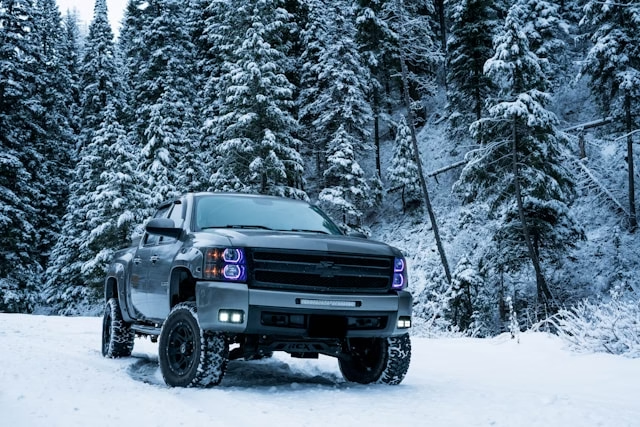
Many vehicle owners accept that it is a fact of life that their car will depreciate over time. You can see statistics that most vehicles lose 50% of their value over the first three to five years, and a lot of that value is lost the moment their new owners drive them off the vehicle forecourt. What are some of the methods you can use to reduce the risk of depreciation for your vehicle and perhaps even buy something that grows in value over time? Let’s have a look.
Buy used in the sweet spot
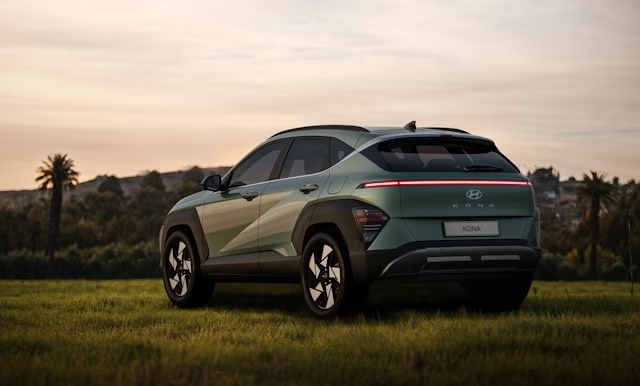
You want to start by buying a used vehicle in the sweet spot, which is usually cars that are between three and five years old. These have already lost much of their initial depreciation, but mechanically they’re still intact. This means that you can take good care of them and then continue running for years without losing further value. Over the remaining years, if you look after your car well, the depreciation is smaller and less in real terms.
For example, a $50,000 car might lose half of its value in five years, being worth $25,000 resale. That’s a lot of money to lose over a relatively short period of time. However, if you look after a five-year-old car that’s worth $25,000, then you may only lose an additional 20% over the following five years, meaning that the loss is only $5,000. Once the car is ten years old, this is especially true, depending on the type of brand that you buy.
Keep the car long term
Another pro piece of advice is to keep the vehicle long term. Once you pay off the car, depreciation becomes less relevant because you’re not planning on selling. Instead, all you need to do is make sure that you maintain the car properly and insure it. Keeping the car for more than 150,000 miles or 8 years plus is a great way to save a lot of money.
Maintain it exceptionally well
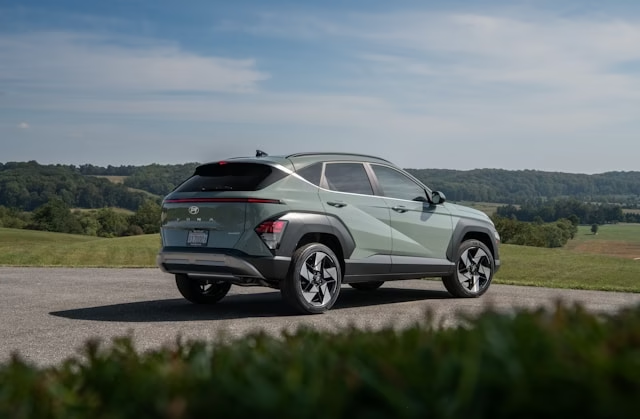
Of course it goes without saying that you want to maintain your vehicle exceptionally well to reduce depreciation. Many buyers have a soft spot for older models, especially if they think that they’ve been looked after. This means that you can sometimes sell at a premium above market rate for the same type of vehicle that hasn’t been looked after. Do things like:
- change the oil regularly and maintain service records
- using the manufacturer’s schedule
- keep mileage reasonable, under 12,000 miles per year if possible
- go to auto detailing experts for professional valet inside and out
Buy brands that hold their value
Finally, and perhaps most importantly, you’ll want to go and buy brands that hold their value better. Toyota and Honda are well known for producing vehicles that last for many years, keeping the resale value. Buyers seek out these cars because they know that even if they buy them second-hand, they’re not going to be saddled with large maintenance or repair bills. Also, certain trucks and SUVs tend to hold their value more. This happens if they’ve earned a reputation for robustness over long periods.