

Tips for Building a Carport at Your Property
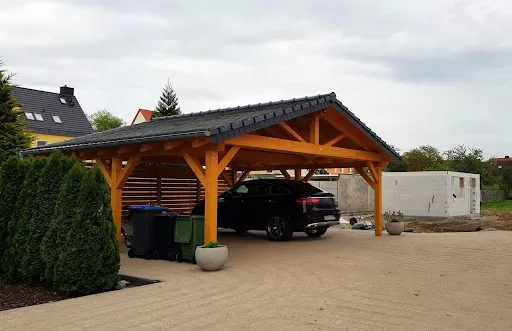
Whether you want to build a carport to protect your racing vehicle from the elements or have an expensive race car that you want to house in the garage and therefore need a carport for your everyday vehicle, it’s worth considering putting on the addition yourself.
If you’re a handyman with some experience, you’ll likely find that doing this job yourself rather than paying contractors saves you significant money. Here are some tips for building a carport in the coming months.
Decide on the Type of Carport
Start by determining what type of carport you want to build. There are four main kinds to consider. You might like to choose a portable option that you can make from a DIY carport kit or a prefabricated product. These carports usually have a corrugated metal roof with steel or aluminum beams that you can move, if necessary, to another location.
You might prefer to build a freestanding carport that doesn’t attach to any other structure. This type can be simple, portable, and lightweight, with four posts supporting a roof or more permanently attached to the ground. Attached carports, on the other hand, go against one side of your home. They typically connect with one wall at the roofline, which acts as a support for the structure’s roof. If you have a free space between your house and garage, this can be a good spot for an attached carport, too.
The fourth option to consider is a custom carport. This is something specific you build to the measurements and requirements you have, whether you have large cars to shade or an oversized or irregularly-sized area to fill. As you’d imagine, these carports are usually the most expensive.
Pick the Location Carefully
Once you’ve worked out the style of carport you plan to build, be sure you have the right location for it. There are multiple things to consider here, such as if it’s close enough to your house or another solid structure, if it’s going to be easily accessible or not, and if the site is level and boasts proper drainage, among other things.
Think about how the carport will look once it’s complete and whether it will improve the street appeal. If you’re worried about the visual, you may want to move the carport to a more out-of-sight location, such as in the back of your property. You also need to find out if there are easements and utility lines in the area where you plan to build your carport. If there are, this could cause problems, so you may need to change the location to avoid these facilities.
Since carports often require posts to be driven at least three feet into the ground, you don’t want to suddenly find yourself bursting a water pipe or damaging electrical conduits when digging the post holes. Location-wise, don’t forget to measure up the space where you’re planning to put your carport and ensure you’ll have enough space for what you want to build.
See If You Need Council or Other Approval
Before building a carport, check if you need approval from your local council or other regulatory bodies. You may need to obtain a building permit to construct the carport, although this does depend on its placement and size and the area where you live. Ensure your carport plans comply with any local zoning ordinances or other criteria ASAP, and remember that permits often take time to get approved.
Give yourself many weeks to submit the paperwork and wait to hear back from the local regulatory bodies that need to sign off on it. Don’t assume that you’ll apply and hear back the same day or even the same week. Also, if you’re living somewhere that’s part of a homeowners’ association, you’ll probably have to disclose your plans for the build and receive approval from the board before starting the carport, especially if it will make significant changes to how your front yard looks.
Collect Your Materials and Equipment
Of course, you won’t get very far with your carport build if you don’t have all the materials and equipment you need on hand. Gather what you require early so you don’t have to stop building to get things. Some materials you’ll require include roof sheeting, metal or lumber posts to hold up your support beams, the support beams themselves, and the concrete, gravel, and metal anchors to secure them all in place. When collecting your equipment, quantity takeoff services will assist in determining materials needed and even the labor pricing.
Add to this shopping list some braces (usually made out of wood), caulk to weatherproof the carport and seal up any other crevices, and some pilot screws to fasten lumber or other materials together. Equipment-wise, you’ll likely need a shovel, hole digger, quality drill, one or more quality drill bit sets, a hammer, and other items.
Lastly, before you begin your project, creating a detailed construction plan, a checklist, and a schedule is wise to help you get the project done more quickly. Take your time considering every detail of a carport build, including those above, to give yourself the best chance of DIY success.