

Buying a Retired Police Car at Auction in the US: Tips and Advice
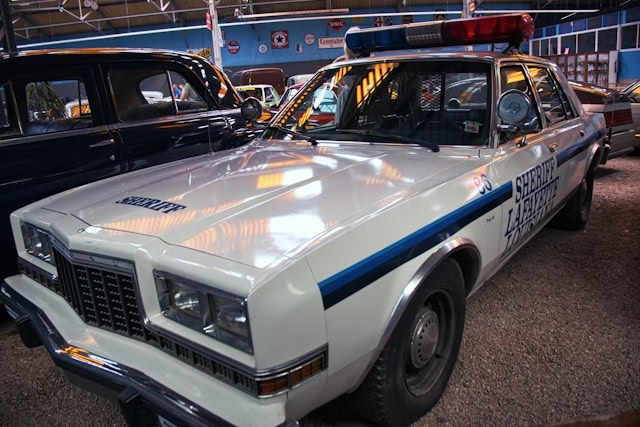
Retired law-enforcement vehicles attract a particular type of buyer: someone who appreciates durability, institutional maintenance, and the value of full documentation. With bidcars history often indexing detailed records of miles, photos, and auction events, entering this niche requires understanding how a vehicle’s past can influence not only long-term reliability but also future resale value. Whether the goal is finding a budget-friendly daily driver, a high-performance fleet model, or ensuring privacy by choosing eventually to remove car history pages, the first step is interpreting the vehicle identification number, reviewing the vehicle’s history, and making sense of how departments actually use their cars.
Usage Patterns, Idle Hours & Equipment Holes
The biggest surprise for first-time buyers is how differently police vehicles age compared to civilian cars. The history of the vehicle rarely tells the whole story. Patrol units spend enormous stretches idling — lights on, radios active, climate control running, onboard computers powering accessories. Most departments track idle hours separately because they accumulate wear equivalent to tens of thousands of “engine miles” that never appear on the odometer or in basic vehicle identification number history summaries.
A sedan showing 110,000 miles might have the real engine wear of a vehicle with 200,000 miles. That mismatch doesn’t appear as a red flag in VIN reports, but you will feel it during ownership. Engines may exhibit early oil consumption, weakened cooling performance, or subtle timing-related sounds. These are normal for retired fleet units but must be factored into the purchase price.
Usage patterns vary by assignment. Urban units experience rougher suspension wear; highway units accumulate faster brake rotor replacement cycles; administrative unmarked cars often live easier lives but may have their own quirks. The car’s past is always more complex than the mileage suggests, and potential buyers should treat every detail as a clue.
Then come equipment holes — and they are everywhere. Mounting brackets, cage bolts, spotlight bases, antenna holes, laptop stand plates, trunk wiring blocks. Departments typically uninstall radios and tactical equipment right before auction, which leaves scars. None of this is dangerous, but filling those holes and restoring the interior can cost several hundred dollars. If you plan to sell the vehicle later, or want a clean history presentation, factor cosmetic restoration into your budget.
Model Shortlist & What to Inspect
Police fleets in the US generally revolve around a short list of PPV (Police Pursuit Vehicle), PI (Police Interceptor), and PIU (Police Interceptor Utility) models. Knowing their strengths helps prioritize inspections before bidding.
Ford Police Interceptor Utility (Explorer platform)
Currently the most widespread patrol SUV. It offers AWD stability, strong cooling, and large cargo space. Check transmission temperature logs, cooling system maintenance, and any evidence of past accidents near front corners.
Ford Police Interceptor Sedan (Taurus)
AWD is a plus, especially in northern climates, and the EcoBoost variants deliver strong performance. However, the tight engine bay traps heat, accelerating component fatigue. Inspect turbo systems, coolant lines, and service records.
Dodge Charger Pursuit
The most performance-focused option. These models often attract enthusiasts who appreciate durability and handling. Look for front suspension stress, steering play, and ownership records confirming department service intervals.
Chevrolet Tahoe PPV
Large, tough, and known for reliability. Its weight and use patterns put pressure on suspension bushings and steering components. If the vehicle’s history shows towing or heavy cargo assignments, inspect rear coil springs and frame rails.
During inspection, don’t rely solely on VIN numbers. A vehicle identification number history offers a good foundation, but fleet usage has nuances. Look for mismatched paint from decal removal, holes behind the console from removed electronics, unusual electrical routing, and trunk wiring harnesses that were cut instead of unplugged. These details reveal how carefully the vehicle was decommissioned.
Before leaving the lot, confirm ownership records, ask for any remaining service documentation, and review accident records carefully. Fleet departments sometimes repair minor incidents in-house, which means they never appear in public databases.
Step-by-Step Guide: From Bidding to Title
Buying a retired police car at auction follows a predictable sequence, but each step has implications for future use — especially if you plan to sell the vehicle later.
1. Research the vehicle before bidding
Review the vehicle’s history and verify the VIN of the vehicle through multiple sources if available. Some municipal auctions provide detailed service logs, while others supply only basic summaries. Consider how much missing information you’re comfortable with.
2. Evaluate photos with detective-level scrutiny
Fleet auctions usually upload dozens of photos. Look closely at:
- spotlight mounts
- cage bolt holes
- front push-bar brackets
- worn seat bolsters
- patched wiring under the dash
These cues reveal operational stress patterns and long idle periods.
3. Inspect the vehicle physically
Idle hours matter even more than mileage. If the auction displays idle-hour data, calculate “engine miles” to estimate real mechanical age. Check for electrical add-ons removed poorly, frayed harnesses, and extra grounding wires.
4. Bid with discipline
These cars are tools, not collectibles — don’t let competition force you into overpaying. Know the ceiling price for your region and remain realistic. Many departments sell vehicles in batches, so another similar unit will appear soon.
5. Secure the title and complete post-purchase compliance
Depending on the state, you will receive a municipal title or standard clean title. Ensure there are no restrictions or unusual annotations. Some states require additional inspections before registering ex-police units.
6. Restore and refresh
Most owners remove cage brackets, patch interior holes, replace center consoles, and clean wiring. Keeping receipts is essential if you want to clear car history discrepancies for future buyers. This documentation also improves resale value.
7. Preparing for future sale
Potential buyers expect honesty. Provide service records, include any details about past accidents repaired, and share the improvement work you performed. A well-maintained ex-police car with a documented process can sell quickly, especially to rural agencies, rideshare drivers, or enthusiasts.
Don’t Rely Only on a Report: Reconciling What VIN Histories Miss
VIN reports provide helpful summaries — accident records, departmental ownership, mileage updates — but they are far from complete. Databases often miss in-house repairs, equipment-related wear, or small collisions handled internally by municipal garages. A vehicle identification number history is a starting point, not an absolute truth.
To bridge the gap, verify:
- internal fleet service logs
- municipal repair notes
- pre-auction inspection sheets
- high-resolution photos
- mechanical condition in person
Because some police vehicles rotate between divisions, the car’s past may involve multiple operational roles — not all recorded formally. Understanding these nuances is key to making informed decisions, and it prevents surprises that could impact resale value.
Privacy & Online Footprint: Cleaning BidCars-Type Pages After Purchase
One overlooked challenge is the vehicle’s online footprint. Auction platforms often index listings publicly, showing photos, mileage, and sensitive information. Many buyers choose to erase VIN history from platforms holding outdated or misleading data. This is especially relevant if you plan to sell the car later, and you want to maintain privacy or avoid confusing potential buyers with old crash photos, equipment holes, or decommissioning images.
Professional services now help delete VIN references from search engines, clear car history pages, or submit requests for removing archived listings. The process typically includes providing proof of ownership, confirming accuracy concerns, and submitting URLs for evaluation. Some platforms offer multilingual support, which helps international buyers maintain privacy when vehicles are exported.
Removing outdated listings doesn’t change the history itself, but it limits unnecessary exposure — a practical step for owners who prefer clean presentation or want to minimize sensitive information online.
Conclusion: Value with Eyes Open
Retired police vehicles offer incredible durability and design features rarely found in civilian models. But buying one requires understanding usage patterns, interpreting the history of the vehicle beyond VIN summaries, and realistically assessing restoration needs. Whether you plan to keep the car or sell it, evaluating idle hours, equipment removal quality, and long-term maintenance will protect your investment. And if desired, cleaning online history later ensures your ownership remains private and your listing stays appealing. These vehicles can deliver excellent value — as long as you enter the process fully informed.
