

Do You Need Different Insurance for a Tesla?
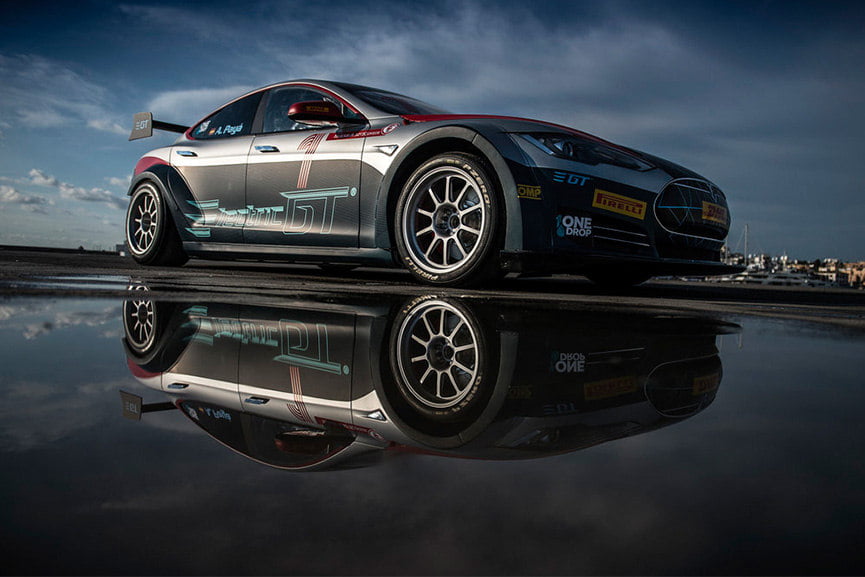
The Tesla Model is an electric car released in the market with a lot of hype. With its stunning design and features, it’s no surprise that people are scrambling to get their hands on one. If you’re considering buying one, you may be wondering if your insurance company will cover it. The answer is: it depends. Some insurers offer Tesla-specific coverage, and some don’t. It’s important to find out before you buy. So, do you need different insurance for a Tesla?
Do You Need Different Insurance for a Tesla?
The answer to this question is yes; you need different insurance for a Tesla if your current insurer doesn’t cover electric cars. Otherwise, you can use the same policy as long as there are no problems. It’s important to know what your options are for insuring a Tesla. Check to see what kinds of coverage are available through your current company. If they don’t have this or want additional protection, other companies specialize in electric car insurance.
Electric cars are becoming more popular, so many providers now offer policies specifically designed for them. Tesla-specific insurance is also available if you buy a Tesla. It covers damage to your car and options that aren’t available through other policies, such as replacing damaged parts with original Tesla parts. Discuss it with your insurance provider before signing any contract if you want additional coverage.
Types of Insurance Coverage for Tesla
If you want insurance on a Tesla, there are several types of coverage for it.
- Comprehensive: This covers damage from things unrelated to a car accident, such as theft and acts of nature. It also covers any damage that occurs due to the malfunctioning components. This doesn’t apply to wear and tear, so you should have a maintenance plan in place to protect your vehicle.
-
- Collision: Collision insurance covers the costs of repairing or replacing your car when it gets in an accident with another vehicle. It only applies to accidents that are not your fault, so if you’re in a crash caused by someone else’s negligence, this will cover the damage.
- Liability: This covers third-party medical bills and injuries resulting from an accident you’re responsible for. It also covers any damage to the other party’s car if they were not at fault. It pays their medical bills, damages, lost wages, and legal fees up to a certain amount. You can choose the limit on this coverage. In most cases, it ranges from $100,000 to $300,000.
- Uninsured/Underinsured Motorist Protection: It covers the costs of injuries and damage done to you if you’re involved in an accident with a driver who doesn’t have insurance or has insufficient insurance. It’s not available in all states, so make sure to check your local laws.
Tesla Insurance Program
Tesla has an insurance program for individuals who want additional protection. It covers all versions of damage to your car regardless of the cause. If your Tesla is in an accident, it will be repaired by a certified Tesla repair center, and you’ll get brand new parts if necessary. This coverage costs $600 per year and can be added when purchasing your vehicle. It will cover any repairs made to the suspension, powertrain, body, or glass for 10 years or until you reach 200,000 miles.
Drawbacks of Tesla Insurance Program
The main drawback of Tesla’s insurance program is that it doesn’t cover wear and tear. It also doesn’t cover damage to the battery, tires, or wheels. In case of a fire or vandalism, you may cover your car, but you can’t add items such as a GPS or floor mats. You must add these under the Tesla Additions program. Tesla’s insurance program is also limited in terms of coverage amounts. The limits are lower than they would be if you had a traditional policy with another company.
Tesla-Specific Insurance
Other types of Tesla-specific insurance are available through providers such as Mercury Insurance or Tesloop. This covers all types of damage to your Tesla as well as the damage done by it. This is ideal for those who want additional protection.
Coverage Limits for Tesla
Tesla’s insurance program limits the amount you can claim per occurrence. The limit is $50,000 for fire damage, theft, or vandalism. If you want higher limits, increase your deductible before filing a claim to reduce your costs and add supplemental coverage such as comprehensive and collision policies to cover the difference.
Purchasing Tesla Insurance
If you already have a policy for your Tesla, contact your insurance provider to see if they offer an additional policy. You can also ask them about the cost of adding a Tesla to your current plan. If they don’t cover it, talk with different companies and compare their quotes before deciding on one. If you’re considering a Tesla insurance policy, make sure to talk with your insurer about the limits of the coverage and any usage limits.
Cost of Tesla Insurance Coverage
The cost of Tesla insurance coverage will depend on several factors such as your location, driving record, and the type of car you drive. An average policy costs around $4539 per year. This is more than traditional cars, but it depends on the company and whether or not you have comprehensive collision coverage.
Special Coverages from Tesla Insurance
Tesla offers several special coverages through its insurance program. This includes coverage for elective upgrades done to the car. If you’ve paid $2000 or more in labor and materials, Tesla will provide coverage for up to 6 months after delivery of your vehicle. The replacement part must be a Tesla original equipment manufacturer (OEM) part.
Tesla provides reimbursement or coverage when a third-party claim requires you to pay when it comes to cyber security. This covers the cost of a stolen vehicle, damage done by someone hacking into your control system, and any costs associated with hacking activities.
In conclusion, Tesla offers a less expensive form of insurance, but it doesn’t cover all types of damages. It’s important to know the limits and add supplemental coverage if necessary. You may also want to consider purchasing Tesla-specific coverage from another company that provides more extensive protection at a higher cost.