

Is Driving After Consuming the Same as DWI?
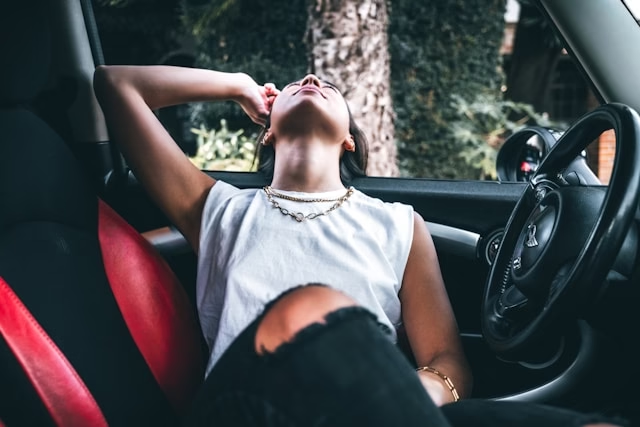
Alcohol-influenced driving crashes led to the deaths of 12,429 people in the USA in the year 2023. This figure represents approximately 30% of the entire traffic fatality rate.
The act of driving after drinking alcohol leads people to believe they face the same consequences as a DWI charge. The actual situation possesses more complexities than people realize.
Consuming alcohol and driving afterwards can be treated differently depending on the jurisdiction where it was done. Another example is driving after consuming when you are under 21 in NC, which is a prohibited act in the state.
These various distinctions affect any friend’s safety and legal mandatory requirements. Let’s examine the implications of driving after consuming and DWI charges.
What Constitutes Driving After Drinking?
Technically, the legal term for driving under the influence is operating a motor vehicle while intoxicated.
Even in small amounts, alcohol can affect a person. This is true when driving. Your self-assessment of being sober will prove inaccurate since alcohol consumption decreases your judgment and slows down your reaction time and motor skills.
BAC limits are explained as a means of defining the permissible amount of alcohol consumed by residents. Despite these limitations, it is advisable not to consume any alcohol while driving.
Drunk driving is not safe for drivers, passengers, and others on the road.
What Does It Mean to Be Charged With DWI?
Police officers may pull over a suspected drunk driver to conduct a preliminary alcohol screening. And they can be arrested legally for DUI at a DUI sobriety checkpoint. But according to DWI lawyer David Stewart, these tests are not mandatory.
The state legal limit for blood alcohol concentration (BAC) applies to this charge since it requires proof that the defendant’s BAC level exceeded the permitted limit. A DWI charge will bring fines, license suspension, and jail time as its consequences. The penalties to be awarded to you depend on your individual circumstances and previous offenses. DWI charges create lifelong changes to your life, so they should be treated seriously. Contact a lawyer for help in addressing this issue.
How Driving After Drinking Differs From DWI
“Driving after drinking” means driving a car after consuming alcohol, regardless of how much alcohol is in their blood. A person might feel good and think they have driving control, but their actual driving safety depends on legal driving requirements.
A DWI charge requires drivers to reach a legal threshold that establishes their impaired driving through a BAC measurement of 0.08% or higher. Drinking after driving results in DWI charges, but it does not mean that all cases of drinking and driving consequently lead to DWI charges. These aspects thus need to be researched in a different manner to distinguish them.
Legal Penalties for Driving After Drinking
There are consequences when a person is caught drunk while driving. For one, your driving privileges may be taken from you. You may have to pay fines and be sent to an alcohol-education program.
You may be evaluated for sobriety using field tests during arrest, irrespective of American BAC readings. The results of the test may result in further criminal penalties.
Repeat offenders will face harsher fines, longer suspensions of licenses, or mandatory jail time, while first-time offenders are liable to receive less severe penalties. A conviction can lead to an increase in your insurance premiums, financially straining a driver for a long time.
As an individual, it is of paramount importance for you to know the state’s penalties as set forth as a result of this law. You should therefore be in a position to judge whether to drive a vehicle when you have consumed liquor.
What to Expect if Charged With DWI?
The experience of facing a DWI charge becomes difficult for individuals who have previous legal problems related to driving after drinking. The upcoming court date will be communicated to you through a notice.
During the court hearing, the prosecution will present its case with breathalyzer test results, witness testimonies, and the like. You will be allowed your opportunity to put up a defense in court if you choose.
The state will dictate your penalties. These are usually paying fines, license suspension, and imprisonment. In addition, you can expect to have a criminal record. And on top of that, your insurance premiums will get higher.
With legal help, you may be able to protect your rights during the legal battle.
How to Avoid Legal Trouble After Drinking
Control your alcohol intake when you are at a party. Make plans to catch a ride or take public transport to go home afterwards. Else, find a designated driver to take you.
Switch to low-alcohol or non-alcoholic drinks to moderate your alcohol intake. Stay back until you are fit to drive. Be thoughtful about avoiding impending situations by considering secure resolutions.
Know that driving while impaired is different from drunk driving. You can be held responsible for an accident if your blood alcohol content exceeds its limit. Learning the difference should broaden the awareness of the drivers relatively far. Awareness maintains the safety of the driver and passenger, respectively.
