

What Should You Do Immediately After a Car Accident in Kansas?
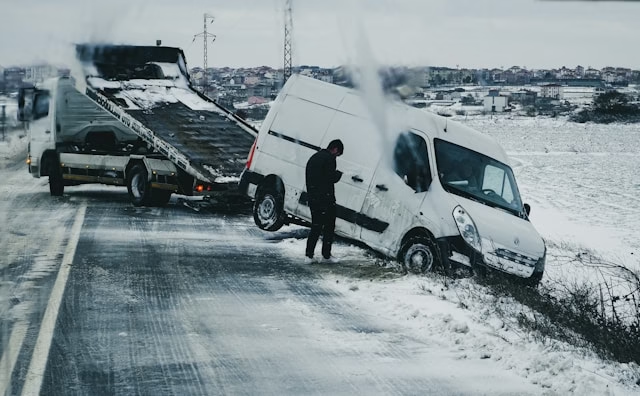
A car accident can leave anyone shaken, even when injuries seem minor. Many people make quick choices in the first hour that later affect medical care and insurance decisions. DeVaughn James Injury Lawyers focuses on thorough accident documentation, with a level of detail many law firms overlook. Even so, the best outcomes usually start with the steps taken at the scene, not in an office. The goal is to protect safety first and preserve accurate information. In Kansas, those early details can matter if fault is later disputed. It also helps to assume that every statement and photo may be reviewed by an insurer later. Staying calm can prevent accidental admissions that are hard to correct. If anyone is hurt, treat it as a medical situation before a paperwork situation. If you can safely do so, focus on facts rather than blame. The right sequence of actions can reduce stress and confusion. The sections below walk through what to do right away and what to avoid.
Ensure Safety And Call For Help
First, check yourself and passengers for injuries, then look for hazards like traffic or leaking fluids. If the vehicles are creating danger and can be moved, get to a safer spot nearby. Call 911 to request police and medical help, especially if there is injury or significant damage. To review steps to take after a car accident, it helps to look over them while the details are fresh. In Kansas, drivers are usually required to stay at the scene, so leaving can create legal problems. While waiting, keep conversations limited to safety needs and basic facts.
Document The Scene And Exchange Information
When it is safe, take clear photos of all vehicles, license plates, road conditions, and traffic signs. Capture wide shots that show positions, then closer shots that show damage details. Exchange names, contact information, driver license numbers, and insurance details with other drivers. If there are witnesses, ask for their names and phone numbers since they may leave quickly. Avoid arguing about fault, because opinions at the scene can be incomplete or wrong. Ask the officer how to obtain the crash report number and a copy later.
Get Medical Care And Track Symptoms
Even if you feel fine, consider medical evaluation the same day because some injuries show up later. Head, neck, and back pain can appear after adrenaline fades, especially in rear end collisions. Follow up with urgent care or a primary doctor if symptoms change in the next few days. Keep a simple written record of pain levels, limitations, and missed work in plain language. Save receipts and appointment notes so the timeline is easy to verify. Clear medical documentation often carries more weight than memory months later.
Notify Insurers Carefully And Preserve Evidence
Report the crash to your insurer promptly, but keep the initial statement short and factual. If the other insurer calls, you can decline a recorded statement until you feel prepared. Do not guess about speed, distances, or what another driver saw, because guesses can be treated as facts later. Preserve evidence by saving dash cam footage, towing records, repair estimates, and photos in one folder. Avoid posting about the crash on social media since posts can be misread out of context. If the vehicle needs repair, ask the shop about preserving replaced parts when possible.
Understand Kansas Fault Rules And When To Call A Lawyer
Kansas uses a modified comparative fault approach, which can reduce recovery if you are assigned partial blame. Because of that, consistent documentation and careful communication can matter more than people expect. A lawyer may help when injuries are serious, liability is disputed, or an insurer pushes for a quick low settlement. Legal help can also be useful when medical bills are rising and treatment is ongoing. If you contact an attorney, bring your report number, photos, medical visit notes, and insurance correspondence. The goal is a clear timeline that matches the evidence and supports what actually happened.
In the hours after a crash, safety and accuracy should come before negotiations. Calling for help, documenting the scene, and seeking medical care create a stronger record than relying on memory. Careful insurance communication can prevent small mistakes from becoming big problems later. Kansas fault questions can become complicated, so early facts often guide later outcomes. When injuries or disputes escalate, getting informed advice can reduce stress and protect options. Taking these actions promptly puts you in a better position to recover physically and financially.
